Pantalones cortos
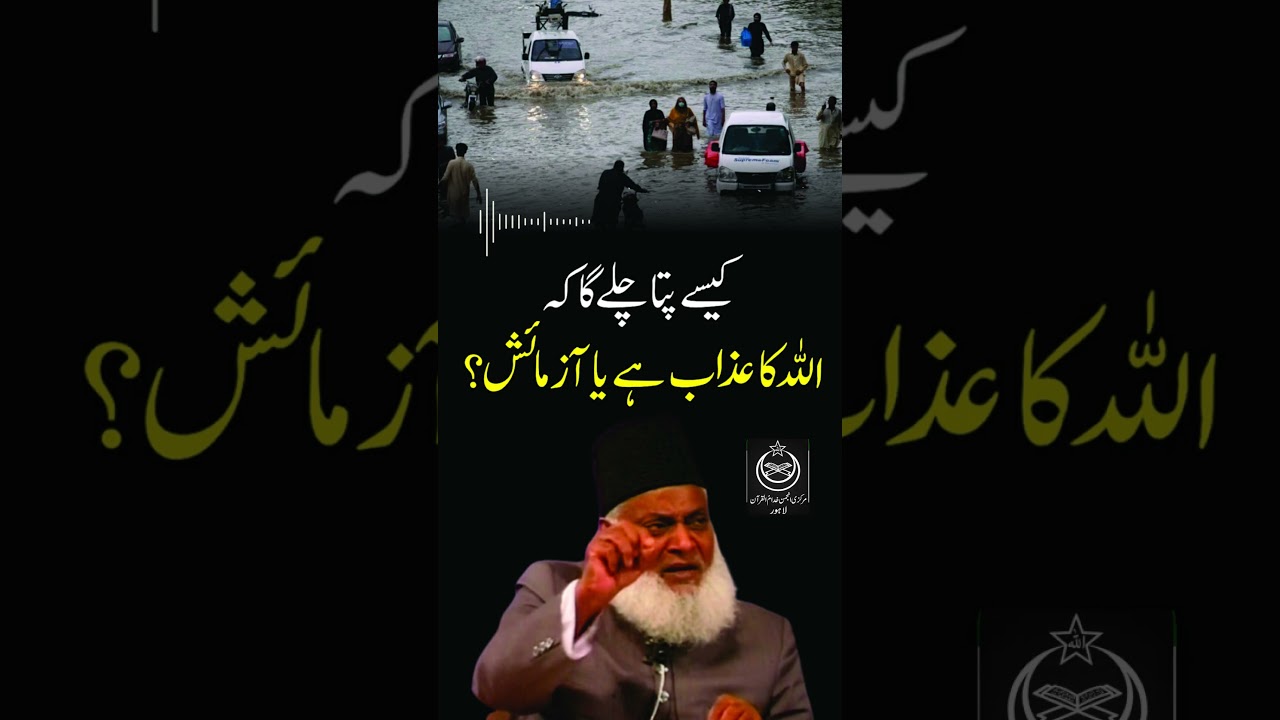
This lecture clarifies the distinction between trials (imtihan) and consequences (sada). It explains that both may appear similar externally, but the heart discerns their origin. Trials befall those striving on the righteous path, serving as tests from God. Consequences, however, stem from one’s actions. The heart will reveal whether a difficulty is a trial designed to elevate one’s status or a consequence requiring atonement. Recognizing this difference is crucial for spiritual growth and understanding divine justice.

56

Dr. Israr Ahmad explains the true meaning of poverty (miskin) in Islam. It isn’t merely a lack of wealth, but rather the failure to fulfill obligations to others. A person may perform many acts of worship – prayers, fasting, pilgrimage – yet be considered bankrupt on the Day of Judgment if they have wronged people by depriving them of their rightful inheritance, slandering them, or otherwise violating their rights. Their good deeds will be distributed to those they harmed, leaving them with nothing but the weight of their sins and ultimately destined for Hell. This lecture clarifies that true poverty lies in spiritual bankruptcy, not material lack.
72

This lecture explores the historical context of the Prophet Muhammad’s era, emphasizing that the triumph of Islam was not merely a historical event but a continuing process. It highlights the sacrifices made by those who strove to establish the principles of Islam, contrasting their success with the misfortune of those who remained indifferent. The speaker asserts that the fulfillment of the Prophet's mission will continue, even if not by the current generation, as it is a divine decree. The lecture stresses the importance of dedicating oneself to this purpose, recognizing it as the path to true success in this life and the hereafter.
98

This lecture clarifies the distinction between permissible (halal) and prohibited (haram) actions and foods in Islam. It specifically addresses ‘mushtabahat’ – the grey areas between clear halal and haram. The speaker emphasizes erring on the side of caution and avoiding ambiguous matters to maintain piety. While legally permissible to engage with ambiguous things if their prohibition isn’t definitively proven, true piety lies in restricting oneself to that which is demonstrably halal, based on evidence from the Quran and Sunnah. The lecture stresses that while the law may allow for ambiguity, religious devotion demands a higher standard of certainty.
69

This lecture emphasizes the comprehensive responsibility of individuals, particularly heads of households, not only to provide for their families' material needs but also to ensure their spiritual well-being and protect them from the consequences of wrongdoing. It highlights that each person will be held accountable for the guidance and upbringing of those under their care – spouses, children, and other dependents. The speaker stresses that safeguarding one's family from the fires of hell is a positive and essential duty, drawing parallels to a shepherd being accountable for their flock.
88

This lecture clarifies the concept of *shirk* (associating partners with God) as a profound injustice. It explains that *shirk* manifests in two ways: diminishing God's supreme status to the level of creation, or elevating a creation to the level of God. Both forms are described as a grave transgression and a significant injustice, as they displace something from its rightful place.
54
