Shorts

This lecture discusses the inevitable trials and tribulations faced by believers. It explains that hardship and adversity are not punishments, but rather tests of faith designed to distinguish those genuinely committed to their beliefs from those who are not. True believers willingly sacrifice their lives and possessions for the promise of Paradise. These trials—fear, hunger, loss of wealth, and life—are the price of admission to eternal reward. Those who persevere through these difficulties demonstrate their sincerity and earn their place in Paradise. The lecture emphasizes that genuine faith requires a willingness to endure hardship for the sake of God.

40

This lecture critiques the modern banking system, arguing it is fundamentally based on interest (riba) which constitutes a declaration of war against God and His Messenger. The speaker asserts that the claim a system cannot function without interest is an expression of disbelief in God’s knowledge and provision. It implies either God was unaware of a future where interest-free systems would be necessary, or He prohibited something essential. The argument highlights that God does not burden any soul beyond its capacity, and therefore, reliance on interest demonstrates a lack of faith in divine support and provision.
79
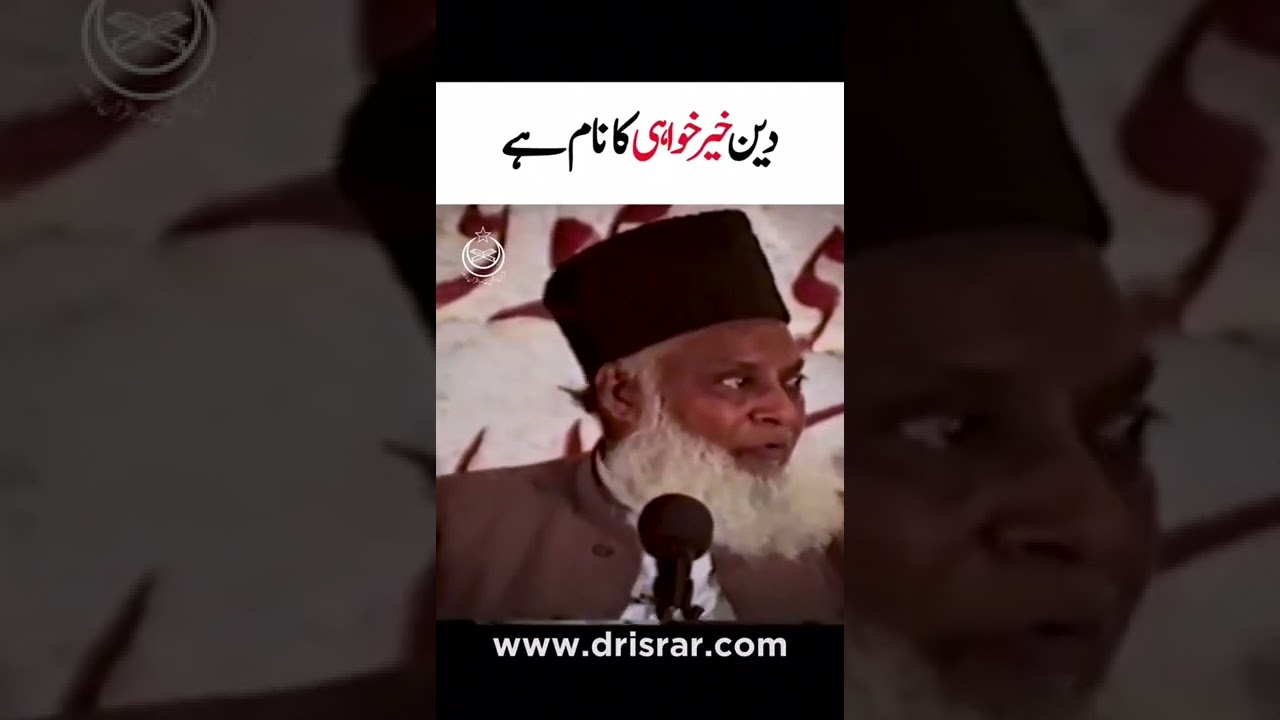
The Prophet Muhammad (peace be upon him) defined religion as sincere advice and goodwill. He emphasized that this goodwill should be extended to God, the Quran, the Prophet himself, the leaders of the Muslim community, and the general populace. This includes offering sound counsel and preventing wrongdoing. The Prophet also stressed the importance of helping others, even those who are wrongdoers. He clarified that assisting a wrongdoer does not mean supporting their injustice, but rather restraining them from their harmful actions. This act of preventing injustice is itself a form of assistance. It is an act of *enjoining good and forbidding evil*.
55
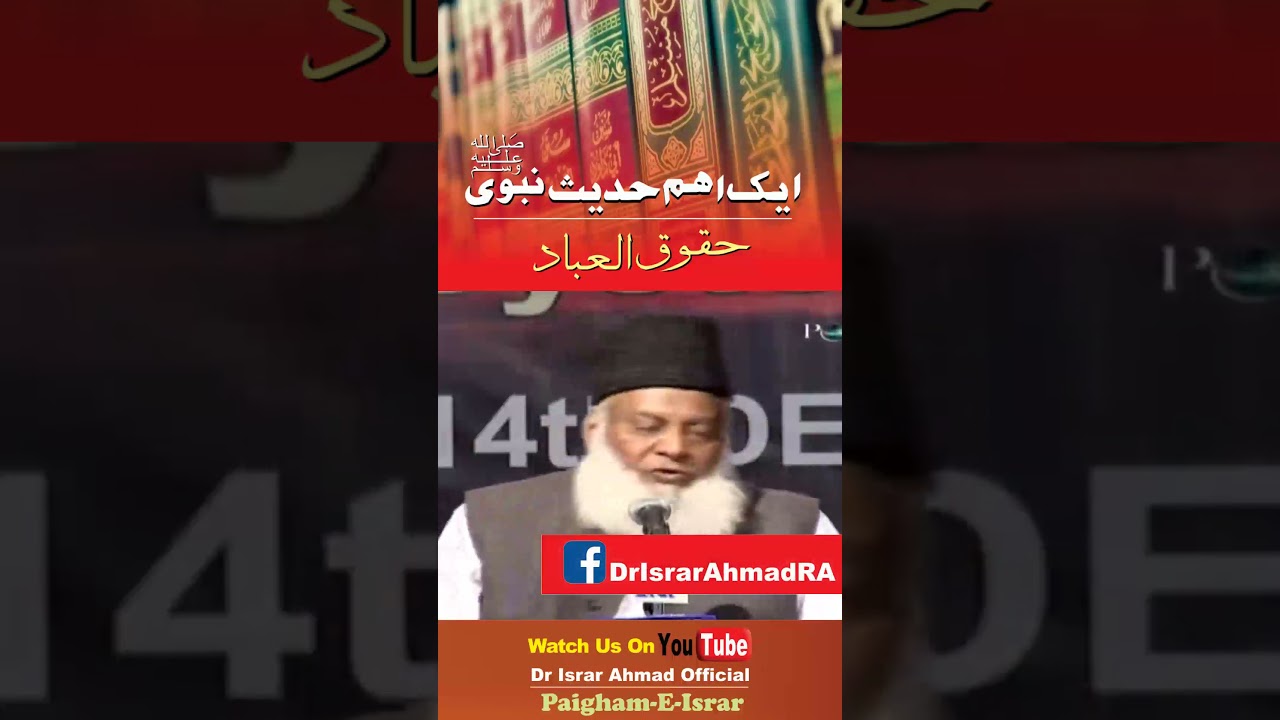
The Prophet Muhammad (peace be upon him) once asked his companions about bankruptcy. They defined it as a lack of wealth. The Prophet corrected them, stating the true bankrupt in his nation will be the one who comes with a large number of prayers, fasts, and pilgrimages, but also with the burdens of having wronged others – having insulted someone, unjustly taken their wealth, or falsely accused them. On the Day of Judgment, these wronged individuals will present their claims, depleting the bankrupt’s good deeds. If the deeds are insufficient, their sins will be transferred to them, leading to their destruction in Hell. This is the true meaning of bankruptcy – a spiritual and moral deficiency.
47

The current system and its laws perpetuate injustice, widening the gap between the rich and the poor. Wealth accumulates with the privileged while the vulnerable remain oppressed. This system actively supports and protects ill-gotten gains, offering no benefit to those who are truly needy. The laws themselves are designed to uphold a flawed system, ensuring its continuation. Fundamental change requires reform of both the system and the laws governing it.
31
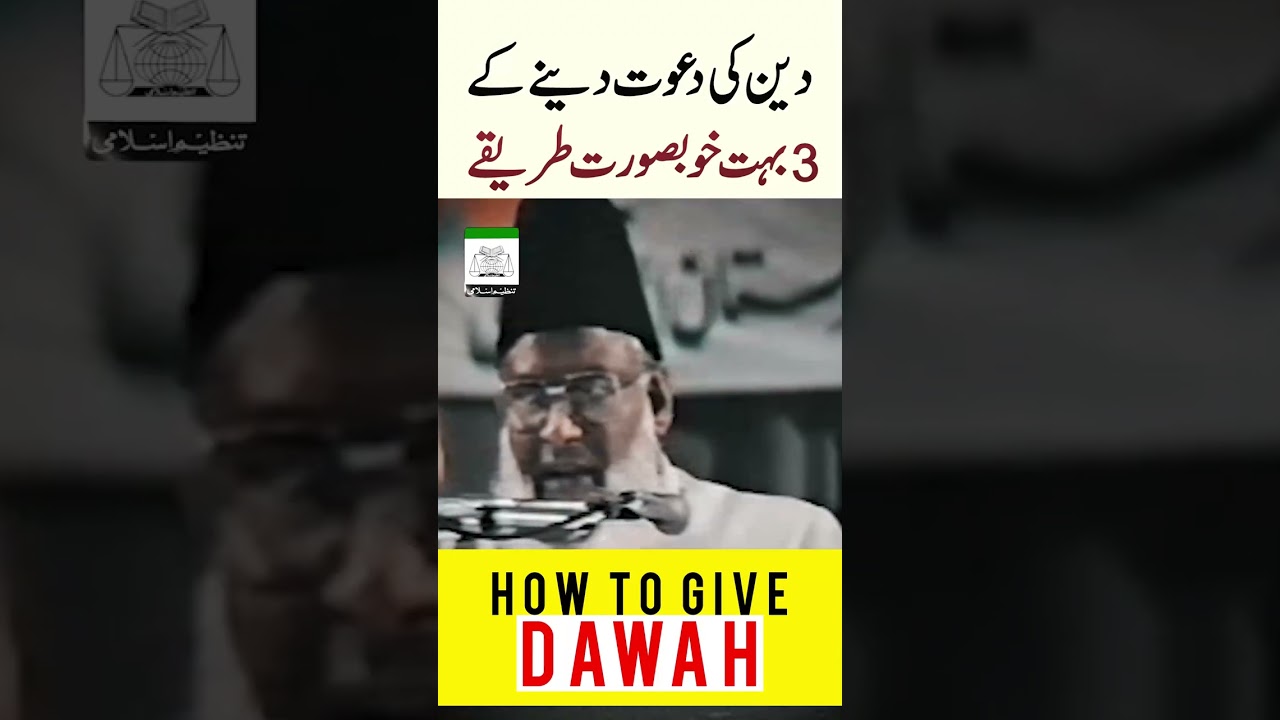
This lecture details three effective methods for conveying the message of faith: wisdom-based argumentation, positive and appealing counsel, and respectful debate. It emphasizes approaching dialogue with intellect, kindness, and a focus on constructive engagement rather than conflict. The core principle is to guide others towards the right path through reasoned discussion and gentle persuasion, avoiding harshness or coercion. It’s a blueprint for effective *dawah* rooted in intellectual honesty and compassionate communication.
72
