Calção

This lecture discusses the inevitable trials and tribulations faced by believers. It explains that hardship and adversity are not punishments, but rather tests of faith designed to distinguish those genuinely committed to their beliefs from those who are not. True believers willingly sacrifice their lives and possessions for the promise of Paradise. These trials—fear, hunger, loss of wealth, and life—are the price of admission to eternal reward. Those who persevere through these difficulties demonstrate their sincerity and earn their place in Paradise. The lecture emphasizes that genuine faith requires a willingness to endure hardship for the sake of God.

40
This lecture explores the three dimensions of Allah's knowledge as detailed in Surah Taghabun. The first is His knowledge of everything in the heavens and earth. The second is His awareness of both outward actions and hidden intentions. The third, and most profound, is His knowledge of the contents of the human heart, including subconscious thoughts and motivations. Humans often deceive themselves, believing their intentions are pure when they are not. Allah knows these hidden biases. This discussion connects these concepts to modern psychology, explaining the conscious, subconscious, and unconscious mind. It highlights that Allah is aware of the internal struggles, temptations, and the turmoil within the human psyche, even before the individual is consciously aware of them.
77
The history of Islam doesn't begin solely with the Prophet Muhammad ﷺ; its origins trace back to Prophet Adam. While the historical details from Adam to Moses are less preserved, the Israelites represent the first nation to emerge on the world stage. According to available knowledge, the Israelites were the first nation, and the final nation is the Ummah of Muhammad ﷺ. This lecture explores the historical lineage of Islam, emphasizing its continuity from the earliest prophets to the final messenger.
50
The text addresses the question of resurrection and the origin of life, arguing that if a creator initially fashioned existence from humble beginnings, replicating that creation is demonstrably easier the second time. It posits that the initial act of creation is the most challenging, while subsequent iterations are simplified. The argument extends to all of creation—from scientists like Einstein and Newton to prophets and saints—all originating from the same source and thus potentially recreatable.
40
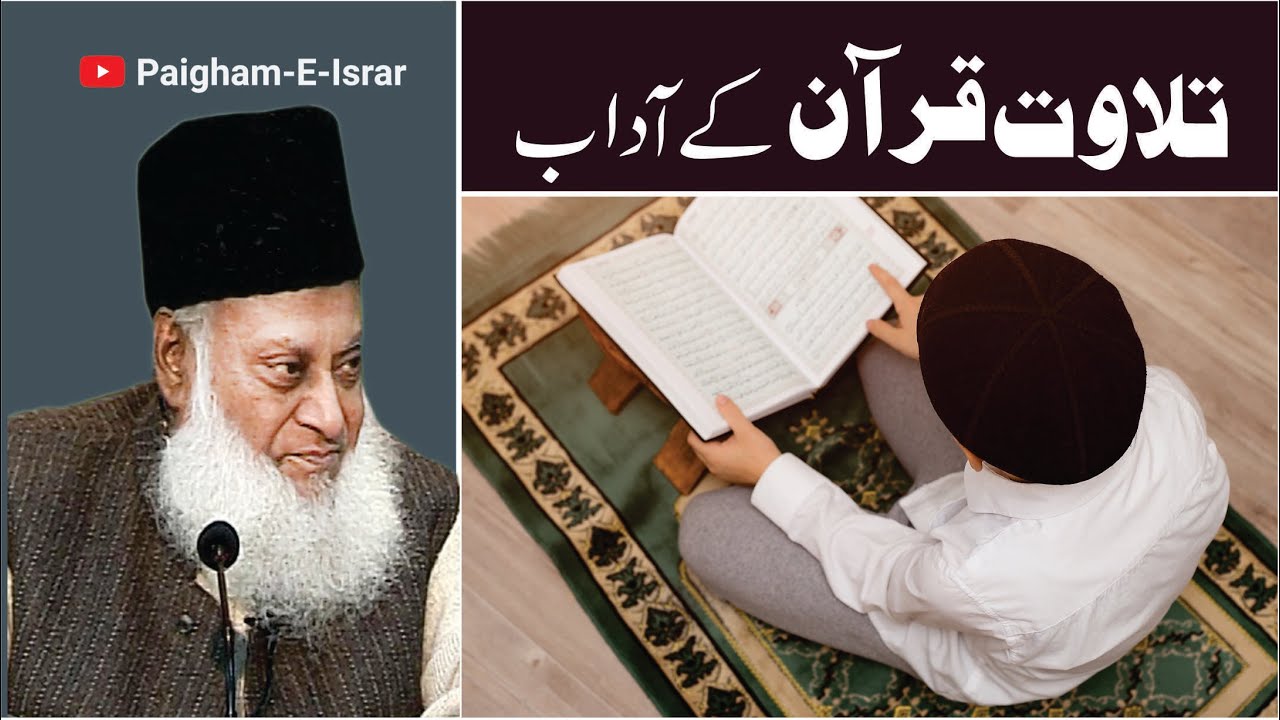
Dr. Israr Ahmad discusses the proper method of Quran recitation, emphasizing the importance of correct pronunciation (tajweed), understanding the meaning, and avoiding superficial artistic displays. He contrasts true Quranic recitation with competitive performances, highlighting that the Quran should enter the heart, not just be a vocal exercise. He warns against reciting Quran while engaging in sinful activities, and stresses that a sincere connection with the Quran strengthens faith and resilience. He also clarifies the difference between *tilawat* (recitation) and *tartil* (rhythmic, meaningful recitation). He cautions against relying solely on eloquent recitation without comprehension, and advocates for learning from qualified teachers to ensure accurate pronunciation and understanding.
119
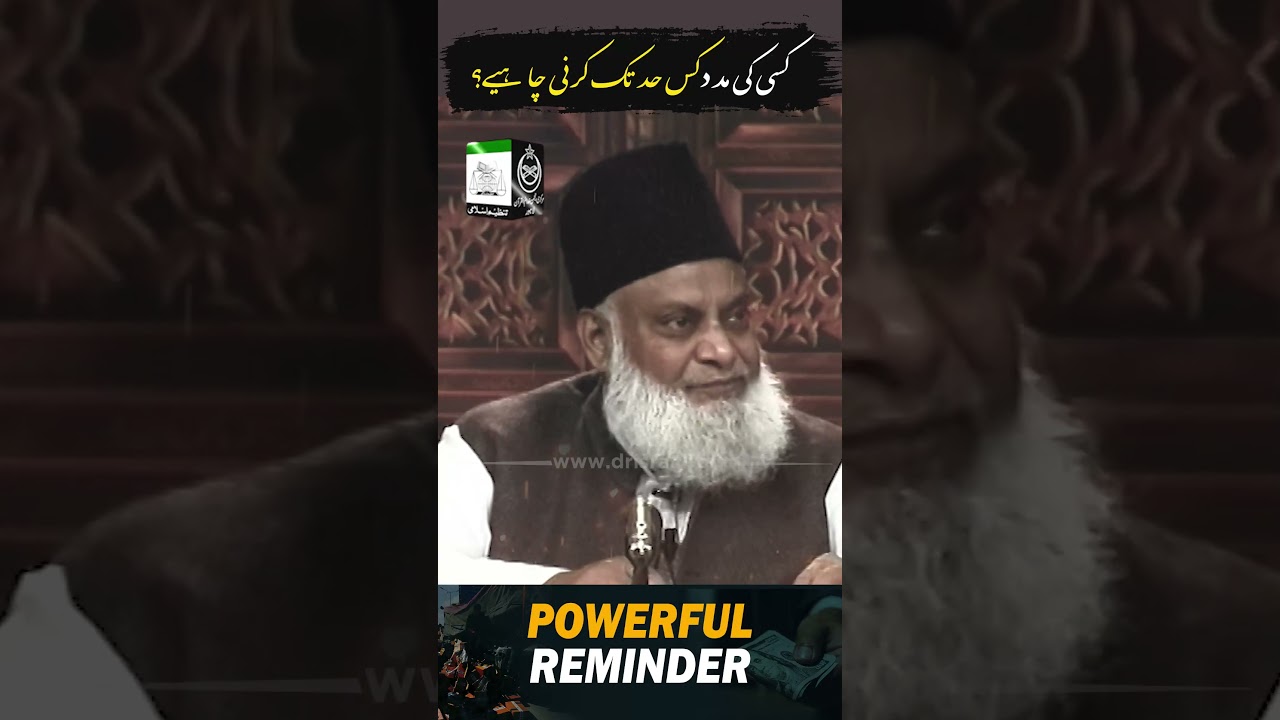
This lecture discusses the Islamic perspective on charitable giving and the rights of heirs. A companion of the Prophet Muhammad (peace be upon him) inquired about donating all his wealth for the sake of Allah. The Prophet advised against leaving heirs destitute, emphasizing their rightful share. The companion then proposed donating half, then a third, with the Prophet accepting the one-third contribution as appropriate. This highlights a balanced approach to charity, respecting both the act of giving and the welfare of one’s family.
62
