Korte broek
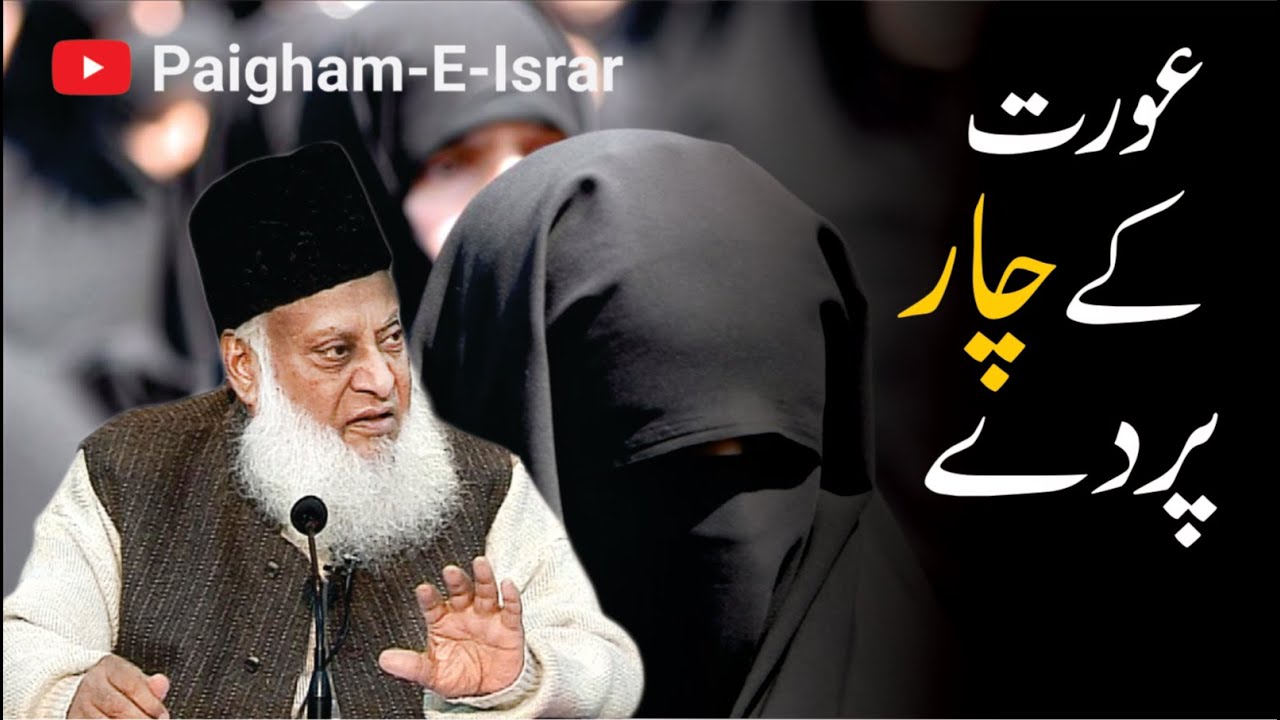
This lecture details the four levels of modesty (pardah) prescribed in Islam. The first level involves segregation of genders in social settings. The second concerns appropriate attire when leaving the home, evolving from the jilbab to the burqa for increased ease and protection. The third level restricts access to the home to only close male relatives (mahram). Finally, the fourth level mandates covering the entire body even before mahram relatives, leaving only the face, hands, and feet exposed. The speaker emphasizes that these principles are being eroded in modern times, representing a deliberate attack on Islamic teachings.

65
The speaker discusses a decline in ethical standards within society, moving beyond mere indecency to a fundamental erosion of basic human morals. This manifests as a lack of integrity – saying things one doesn’t mean and failing to uphold promises. Historically, even non-believers maintained a directness lacking in current society; they were either openly hostile or adhered to their word. The speaker draws a parallel to the historical figures of Medina and Mecca, noting the presence of hypocrisy and deceitful behavior in Medina, while Mecca generally upheld a more straightforward code of conduct. The speaker asserts a general decline in societal capacity for integrity and principled action.
53
This lecture discusses a crucial inner assessment. One side of a metaphorical scale holds love for eight worldly things: father, son, siblings, spouse, relatives, wealth, skills, and home. The other side holds love for God, the Prophet, and striving in His path. True faith requires that the latter outweigh the former. Until this balance is achieved, one remains susceptible to worldly desires and divine guidance is withheld. Every individual must establish this internal scale to evaluate their spiritual state and prioritize devotion over material attachments. It emphasizes the importance of sincere faith and prioritizing spiritual values to attain divine guidance and success.
54
This discourse emphasizes that truthfulness stems from aligning statements with the principles of the Quran. Justice is achieved through Quranic rulings, and reward is assured for those who act upon its teachings. The Quran itself guides, and those who call others to it are guaranteed guidance. The speaker prays for divine assistance in remaining steadfast on the straight path for themselves and the audience.
89
This lecture explores the profound impact of consistent Quranic recitation on the purification of the self. It details how deep contemplation and repetition remove intellectual and philosophical errors, dismantling false beliefs and flawed ideologies. True purification manifests not in outward cleanliness, but in the correction of inner thought and the alignment of actions with divine guidance. The speaker emphasizes that a focus on the afterlife fosters cautious behavior, mindful speech, and a commitment to earning a lawful livelihood. This process, rooted in the teachings and example of the Prophet Muhammad, peace be upon him, cultivates a life guided by truth, accountability, and a fear of divine judgment. It is a transformation from heedlessness to awareness, from worldly desires to spiritual fulfillment.
55
This lecture details the practice of Itikaf, observed during the last ten days of Ramadan. It begins on the twenty-first night, immediately after the twentieth night concludes, and continues until the new moon of Shawwal is sighted, marking the end of Ramadan and the beginning of Eid. The discussion focuses on the proper method and significance of this devotional retreat.
163
