Şort
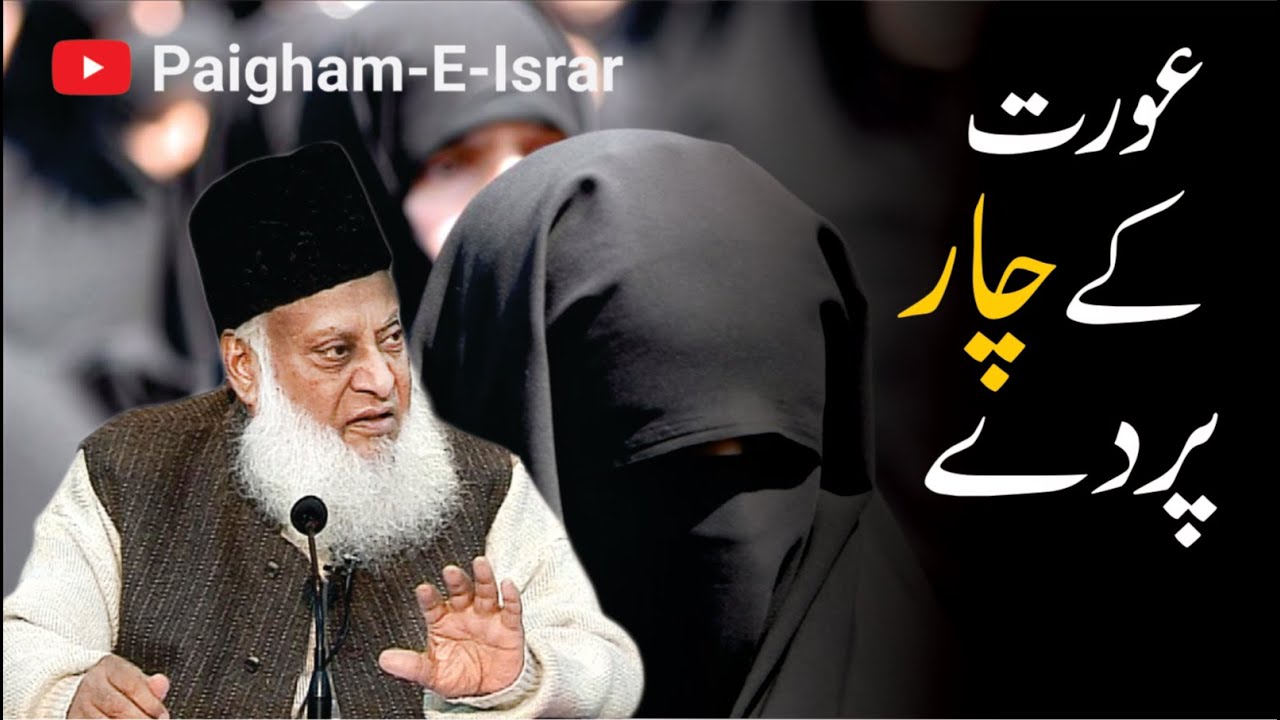
This lecture details the four levels of modesty (pardah) prescribed in Islam. The first level involves segregation of genders in social settings. The second concerns appropriate attire when leaving the home, evolving from the jilbab to the burqa for increased ease and protection. The third level restricts access to the home to only close male relatives (mahram). Finally, the fourth level mandates covering the entire body even before mahram relatives, leaving only the face, hands, and feet exposed. The speaker emphasizes that these principles are being eroded in modern times, representing a deliberate attack on Islamic teachings.

65
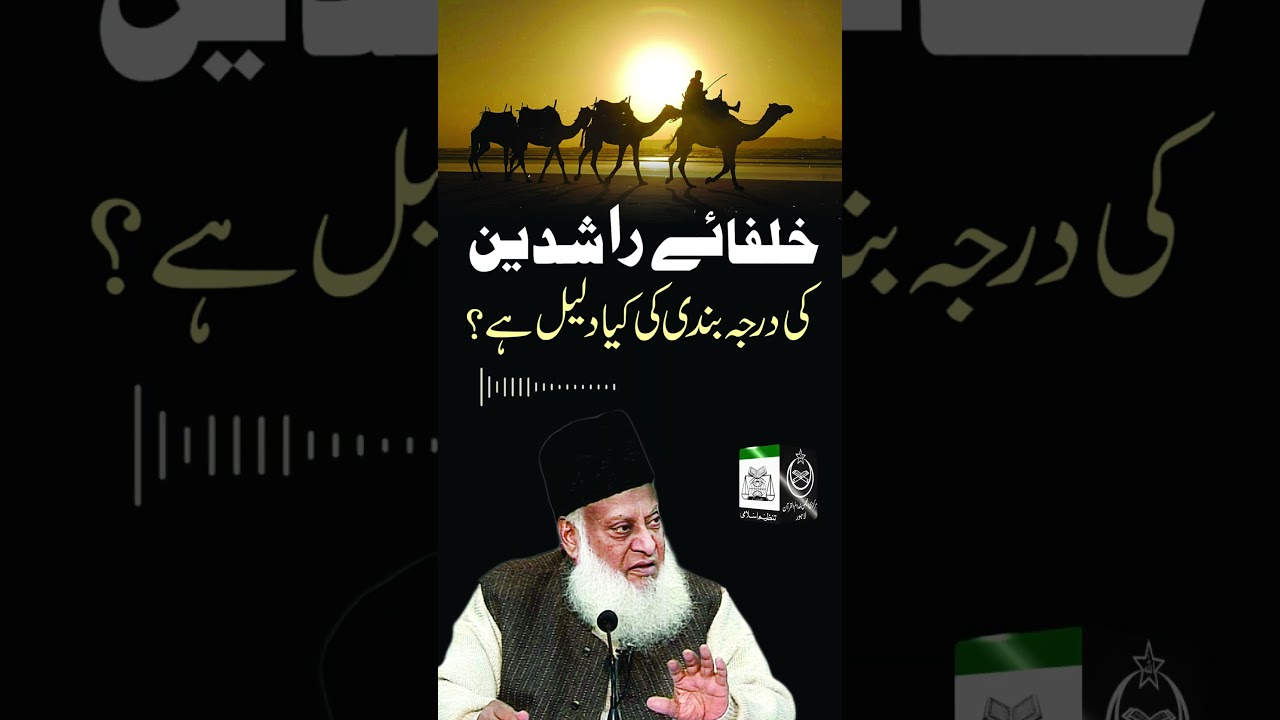
This lecture explains the Sunni perspective on the ranking of the Sahaba, particularly the Rashidun Caliphs. The ranking is based on the consensus of the Sahaba themselves, as demonstrated by their selection of Abu Bakr, then Umar, then Uthman, and finally Ali as Caliphs. Each selection implies the chosen individual was considered the most suitable at that time. This system of ranking, known as *tartib al-khilafa*, is detailed in the writings of Hazrat Mujaddid Alf Sani. The lecture then briefly references the remaining six members of the Ashara Mubashara.
42

After witnessing a powerful earthquake, the Israelites questioned God’s plan. Moses pleaded for mercy, reminding God of their deliverance from Pharaoh and their current vulnerability. God responded by explaining the nature of His mercy: a universal mercy encompassing all creation, and a specific mercy reserved for those who follow His Messenger, the unlettered Prophet. This highlights the distinction between God's boundless compassion and the blessings bestowed upon the faithful who adhere to divine guidance.
67

This lecture explores the concept of trials and tribulations in Islam, emphasizing that faith is not simply declared but proven through hardship. The speaker discusses how difficulties serve as a test to distinguish sincere believers from those who merely claim belief. The discussion references verses from Surah Al-Baqarah, Surah Al-Imran, and Surah At-Tawbah, highlighting the importance of enduring trials with patience and steadfastness. It explains that true faith is demonstrated through facing adversity and remaining firm in one's beliefs, rather than expecting exemption from challenges. The core message is that tests are not punishments, but opportunities to strengthen one’s faith and purify the soul.
71

The existence of multiple deities would inevitably lead to chaos and disorder within the universe, disrupting the established harmony. Conflicting wills and opinions would prevent the precise, balanced operation of creation. The consistent order observed—where every action aligns with its intended consequence—demonstrates a single, unifying will governing all existence. This consistency serves as proof of the oneness of God.
52
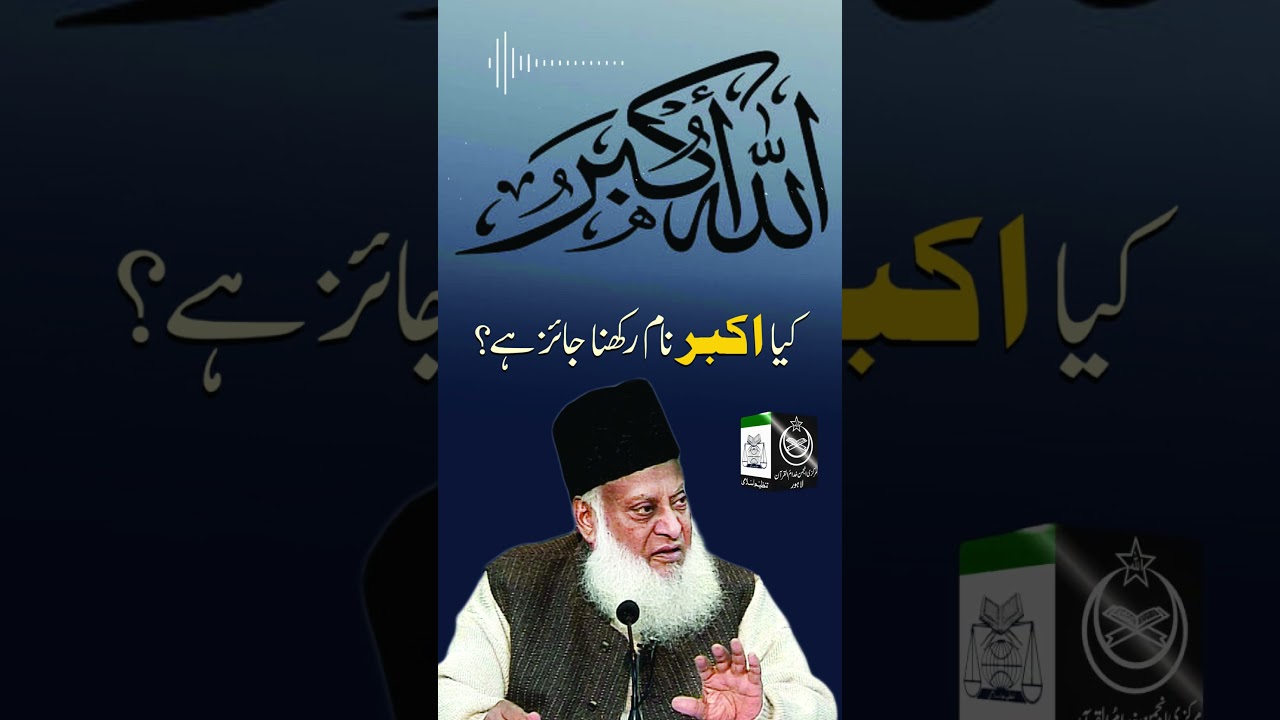
The lecture addresses the permissibility of naming someone 'Akbar'. It clarifies that the name 'Akbar' in itself does not equate to the name of God, as 'Allah Akbar' is a specific phrase denoting God’s greatness. The name 'Akbar' becomes associated with God only when prefixed with 'Al-' (the definite article). Therefore, using 'Akbar' as a personal name is permissible, as it does not inherently invoke the divine name without the necessary prefix.
80
