Shorts
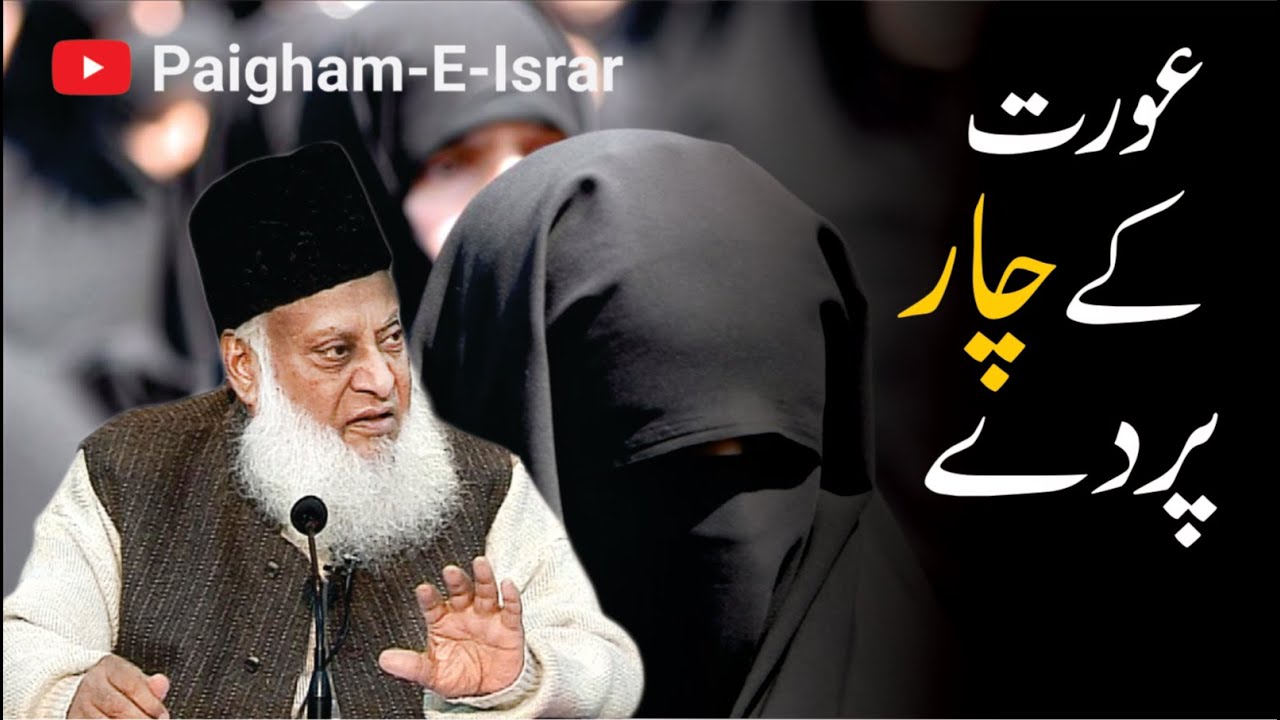
This lecture details the four levels of modesty (pardah) prescribed in Islam. The first level involves segregation of genders in social settings. The second concerns appropriate attire when leaving the home, evolving from the jilbab to the burqa for increased ease and protection. The third level restricts access to the home to only close male relatives (mahram). Finally, the fourth level mandates covering the entire body even before mahram relatives, leaving only the face, hands, and feet exposed. The speaker emphasizes that these principles are being eroded in modern times, representing a deliberate attack on Islamic teachings.

65
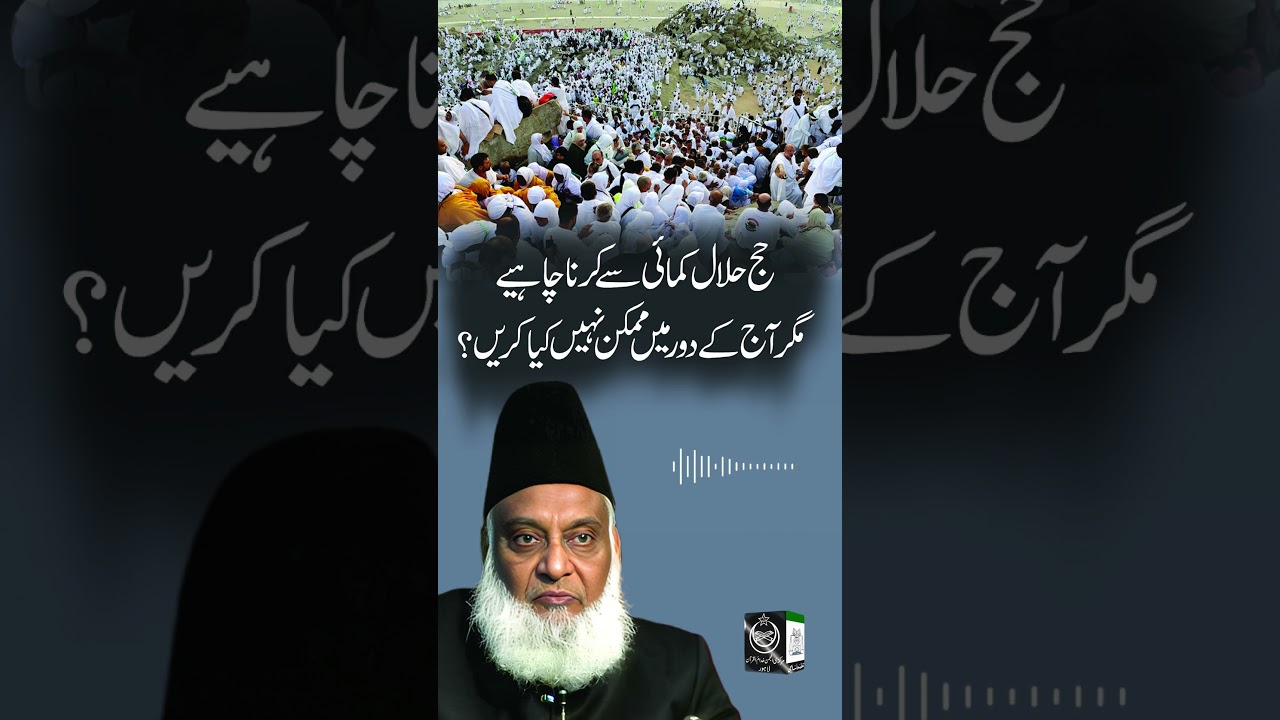
Performing Hajj and other religious obligations requires wealth earned through lawful means. Acquiring purely halal income is challenging in modern times due to pervasive indirect involvement with interest. Ambient interest exists in the air we breathe and the food we consume, which is considered a general impurity and doesn’t necessarily invalidate a transaction. Direct involvement, such as taking loans with interest to build homes or businesses, or depositing money to earn interest, is unequivocally forbidden. However, unintentional mistakes are forgivable, as God is Merciful and Pardoning. Focusing on acquiring halal income and avoiding strictly prohibited actions is paramount.
56
This lecture emphasizes the immense disgrace of the Hereafter compared to worldly humiliation. It stresses the importance of seeking refuge with Allah from both, highlighting that the exposure of sins before all of creation will be a severe reckoning. The speaker urges consistent supplication to Allah for protection from disgrace in this world and the next, requesting His covering mercy and concealment.
69
Maghira Ibn Shuba was among the companions who pledged allegiance to the Prophet Muhammad under the Tree of Ridwan, as mentioned in Surah Al-Fath. He was a staunch supporter of Hazrat Ali during the civil war between Hazrat Ali and Amir Muawiya, consistently siding with Hazrat Ali's faction.
51
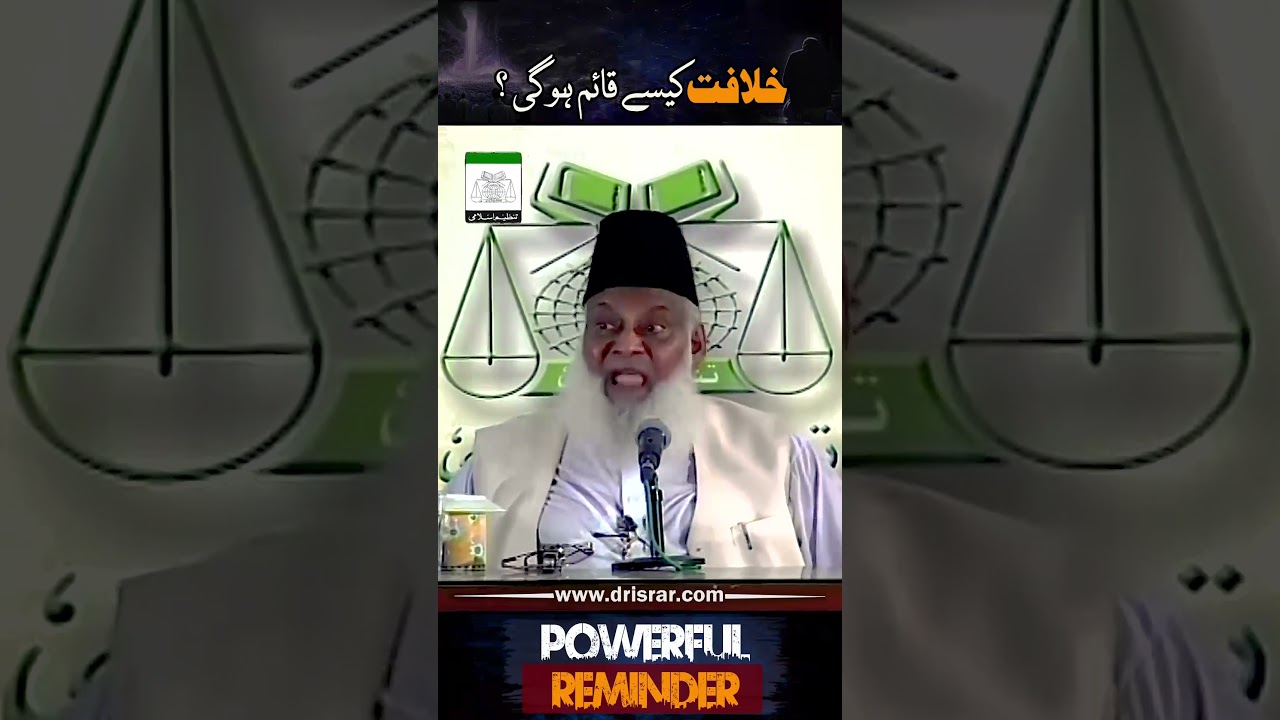
This lecture discusses the necessity of establishing a system of leadership based on fundamental Islamic principles, particularly in the context of modern times. The speaker argues that while the prophetic era has ended, the need for guidance and just governance remains. He emphasizes the importance of adhering to core Islamic tenets while adapting detailed structures to the demands of the present age. The lecture stresses the need for a leader to resolve disputes and maintain unity within the community, drawing parallels to the practice of appointing an ameer during journeys. The speaker identifies as a fundamentalist, meaning one who upholds Islamic principles, while acknowledging room for differing interpretations in detailed matters.
47
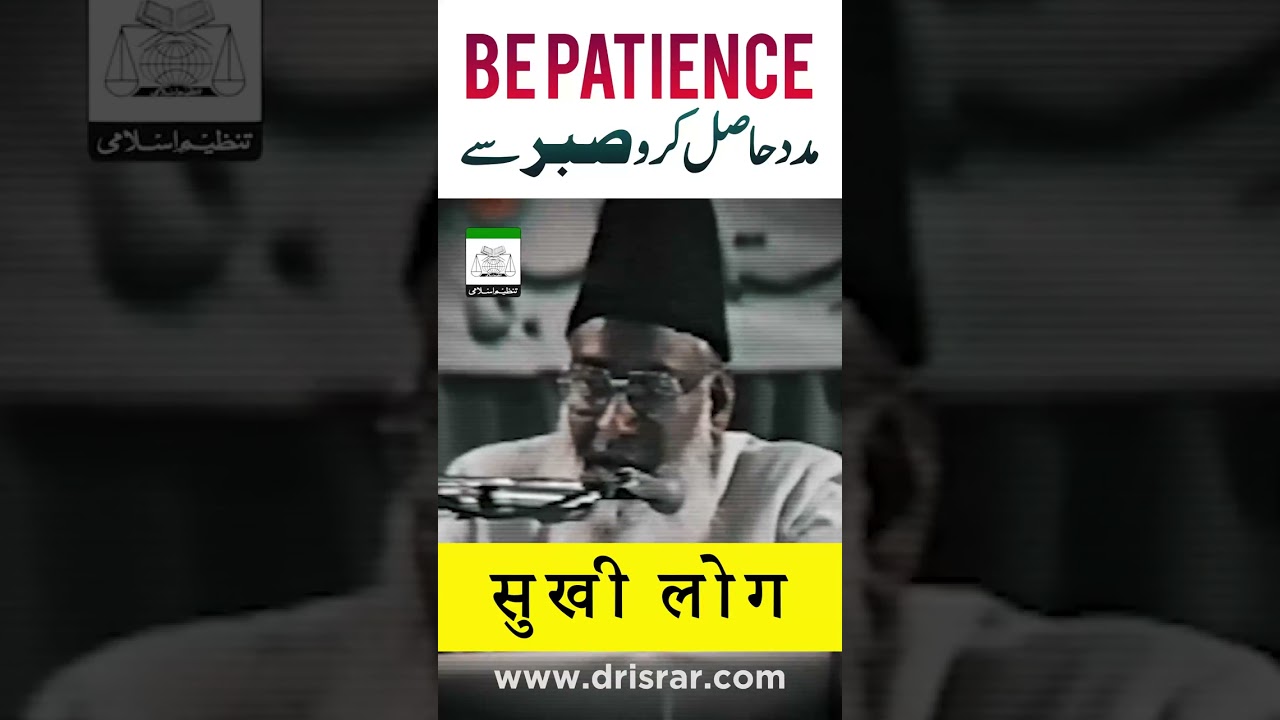
This excerpt emphasizes the importance of patience (sabr) and prayer (namaz) in facing life’s hardships. It instructs believers to seek help through these means, assuring them that God is with those who persevere. The message specifically addresses the Prophet, instructing him to deliver glad tidings to the patient—those who, when afflicted with adversity, respond by acknowledging their origin and ultimate return to God. It highlights a complete reliance on God during times of difficulty and emphasizes acceptance of divine decree.
58
