Corti
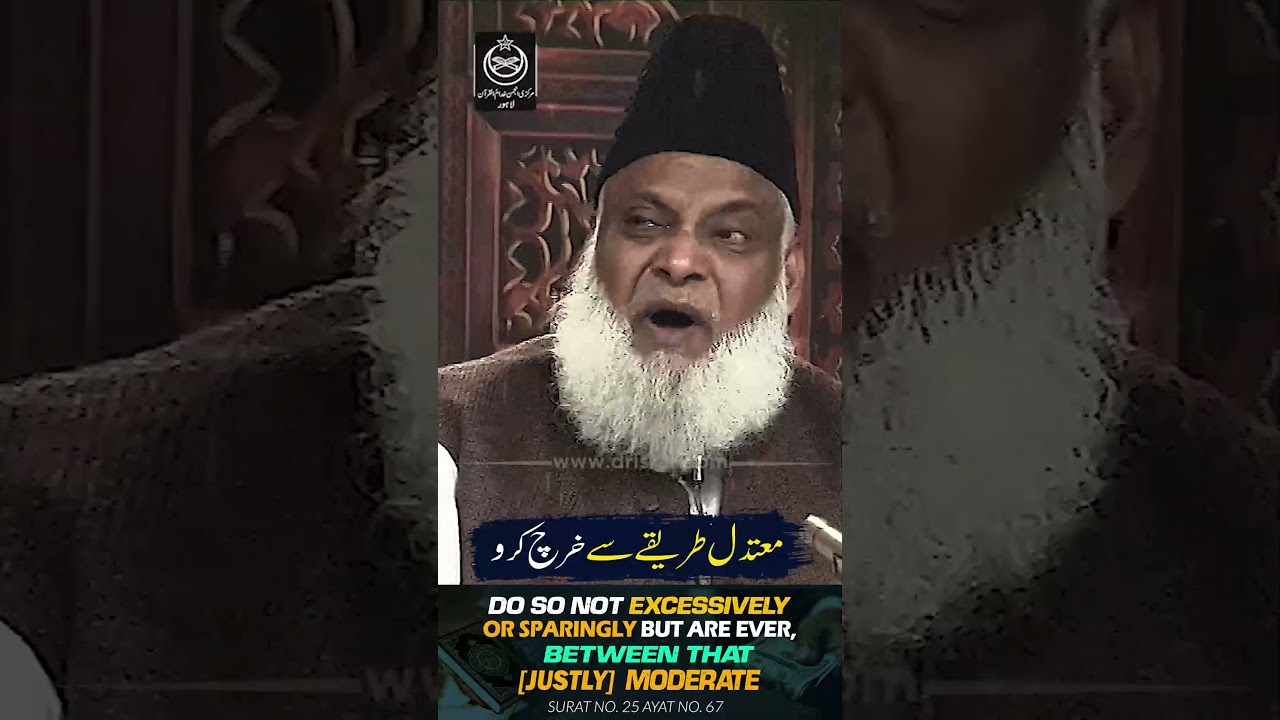
Extremism in charitable giving is undesirable. Intense emotion can lead individuals to impulsively donate all their wealth, potentially harming themselves. The Quran and the teachings of the Prophet emphasize the necessity of balance in spending. The verse from Surah Al-Furqan highlights that true believers spend neither stingily nor wastefully, but maintain a moderate course between these extremes. This approach ensures both the well-being of the giver and the effective distribution of resources to those in need. It’s crucial to consider consequences and adopt a reasoned approach to charity.

47
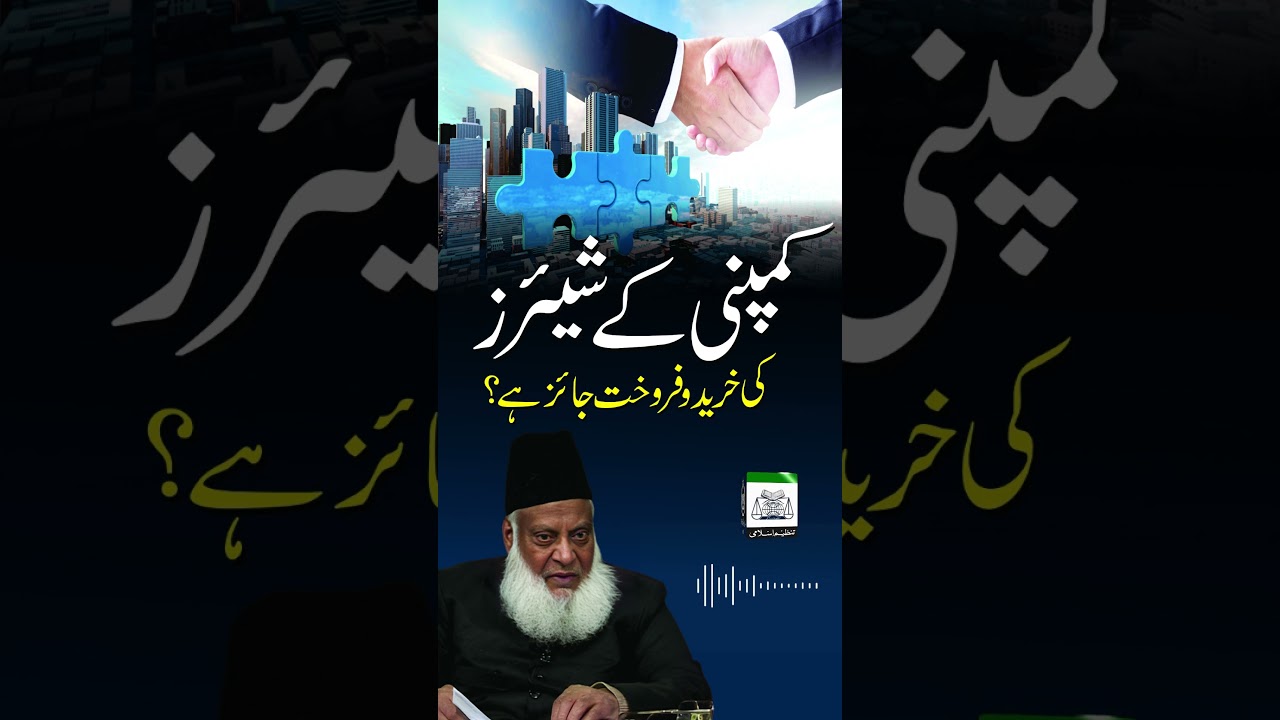
Buying and selling shares in a company is permissible for a Muslim if the company conducts legitimate business. However, involvement with a company that manufactures alcohol is prohibited, making any shareholding or trade in it unlawful. Speculation within stock exchanges is also considered haram. Basic share trading itself is not forbidden, but additional complexities can render it impermissible.
100
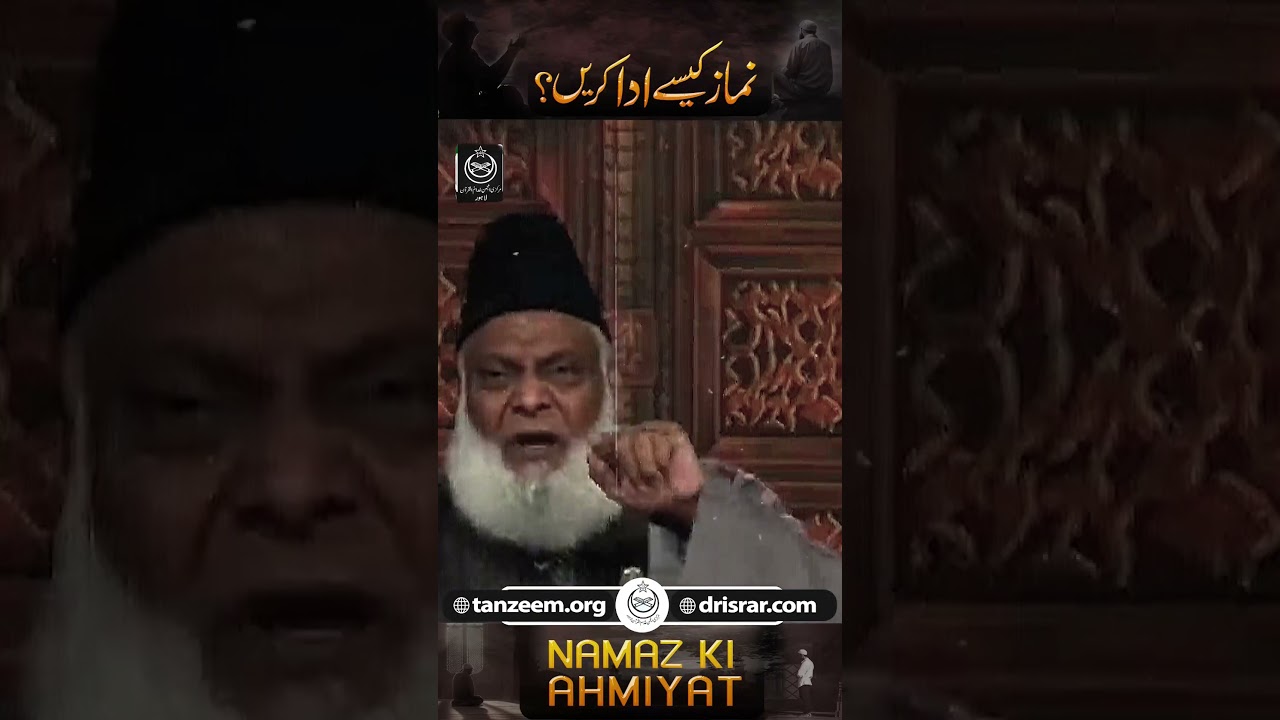
This lecture explores the critical connection between mindful prayer and genuine spiritual transformation. The speaker explains that rote recitation without internal presence renders prayer ineffective. A wandering mind, preoccupied with worldly concerns, prevents the experience of divine connection. True prayer requires focused attention, a conscious awareness of standing before God, and a heartfelt submission. Only when the mind and heart are fully engaged does prayer become a powerful force for character building and positive change. The speaker emphasizes that a distracted mind will fill with anxieties and worldly matters, negating the spiritual benefits of prayer. The essence of prayer lies in experiencing a direct connection with the Divine.
68
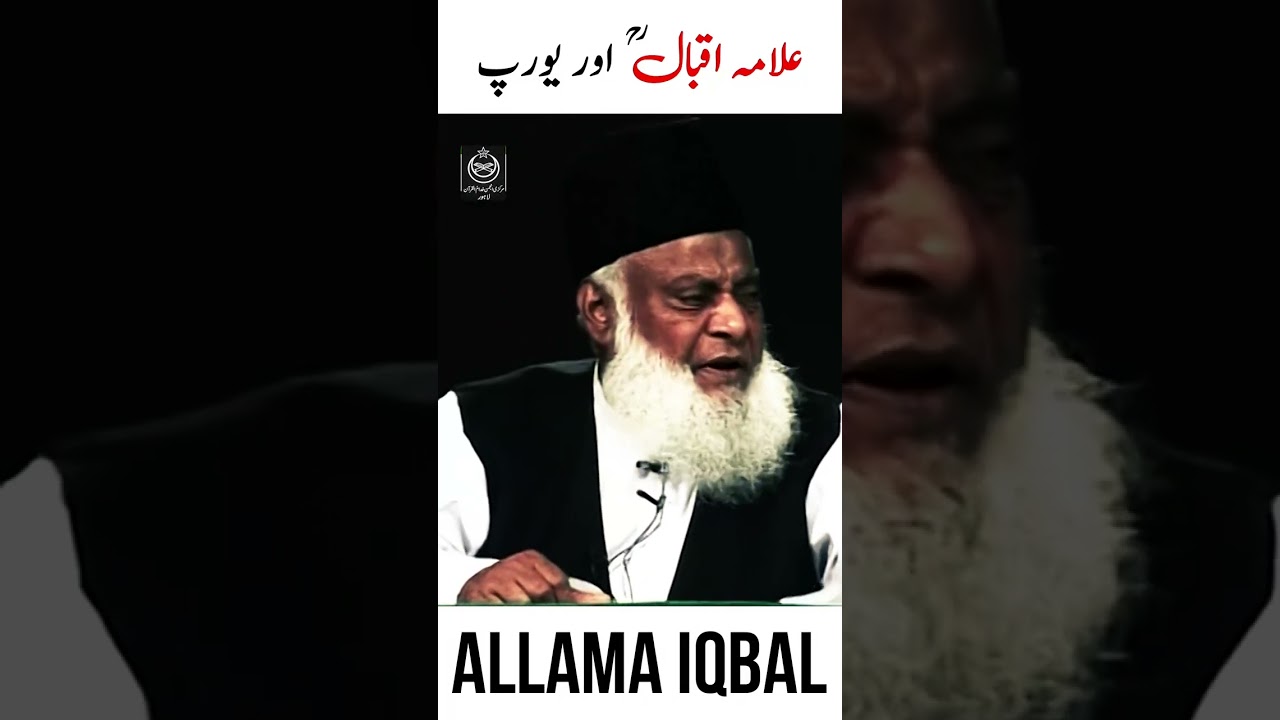
Allama Iqbal’s journey to Europe marked a significant intensification of his Islamic faith. His upbringing, deeply rooted in religious values through his devout mother and Sufi father, provided a strong foundation. While initially religious, his experiences in England proved transformative. He describes a feeling of being ‘tested’ through exposure to Western philosophy and thought, likening it to the trial of Abraham. This period of intellectual and spiritual challenge forged a deeper, more resilient faith within him. He portrays this period as a trial by fire, a process of purification and strengthening of his religious convictions.
23
This lecture explores the dual nature of knowledge: revealed guidance and knowledge acquired through human senses and intellect. It emphasizes the responsibility of utilizing these faculties to understand the universe, analyze phenomena, and draw conclusions. The speaker highlights the importance of observation, rational thought, and the pursuit of truth through both spiritual insight and scientific inquiry. The lecture stresses that humanity has been gifted with senses, perception, and intellect and will be held accountable for their proper use in unraveling the mysteries of existence and applying that knowledge for betterment.
84
True blessings lie not in possessions like health, wealth, or children, but in the guidance that accompanies them. Without divine direction, these are merely transient comforts. The greatest blessing is the Quran, the source of ultimate guidance and true well-being. Guidance transforms all aspects of life into genuine blessings, while its absence renders even apparent advantages meaningless. The essence of a fulfilling life rests on seeking and adhering to divine direction.
306
