Shorts
Extremism in charitable giving is undesirable. Intense emotion can lead individuals to impulsively donate all their wealth, potentially harming themselves. The Quran and the teachings of the Prophet emphasize the necessity of balance in spending. The verse from Surah Al-Furqan highlights that true believers spend neither stingily nor wastefully, but maintain a moderate course between these extremes. This approach ensures both the well-being of the giver and the effective distribution of resources to those in need. It’s crucial to consider consequences and adopt a reasoned approach to charity.

47
This lecture clarifies the Islamic obligation of Hajj for those with the means to perform it. It emphasizes that Hajj is a right of Allah upon those who are physically and financially able, and delaying it after fulfilling the necessary conditions constitutes a grave sin. The discussion frames Hajj not merely as a religious act, but as a debt owed to Allah, requiring immediate fulfillment once capacity exists. The lecture underscores the importance of providing for dependents during the period of pilgrimage, highlighting the complete preparation needed for this sacred journey.
64
This lecture clarifies the Islamic concept of *mahram* (permanently unmarriageable relatives). It explains that a *mahram* is someone with whom marriage is absolutely prohibited in any circumstance. The discussion details that a sister’s sister is a *mahram*, but if a wife passes away, marriage to her sister becomes permissible. Similarly, a brother’s wife (*bhabi*) is a *mahram*, but marriage is allowed after the brother's death. The core point is establishing who constitutes a permanent, unmarriageable relation versus a temporary one.
57
Islamic teachings emphasize prioritizing the rights of parents after those owed to God. The rights of mothers are three times greater than those of fathers due to the immense physical and emotional burden they bear during pregnancy, childbirth, and raising children. While fathers provide financially and are essential, mothers endure unique hardships that necessitate a higher degree of respect and care. This lecture details the importance of recognizing and fulfilling these parental rights in Islam.
62
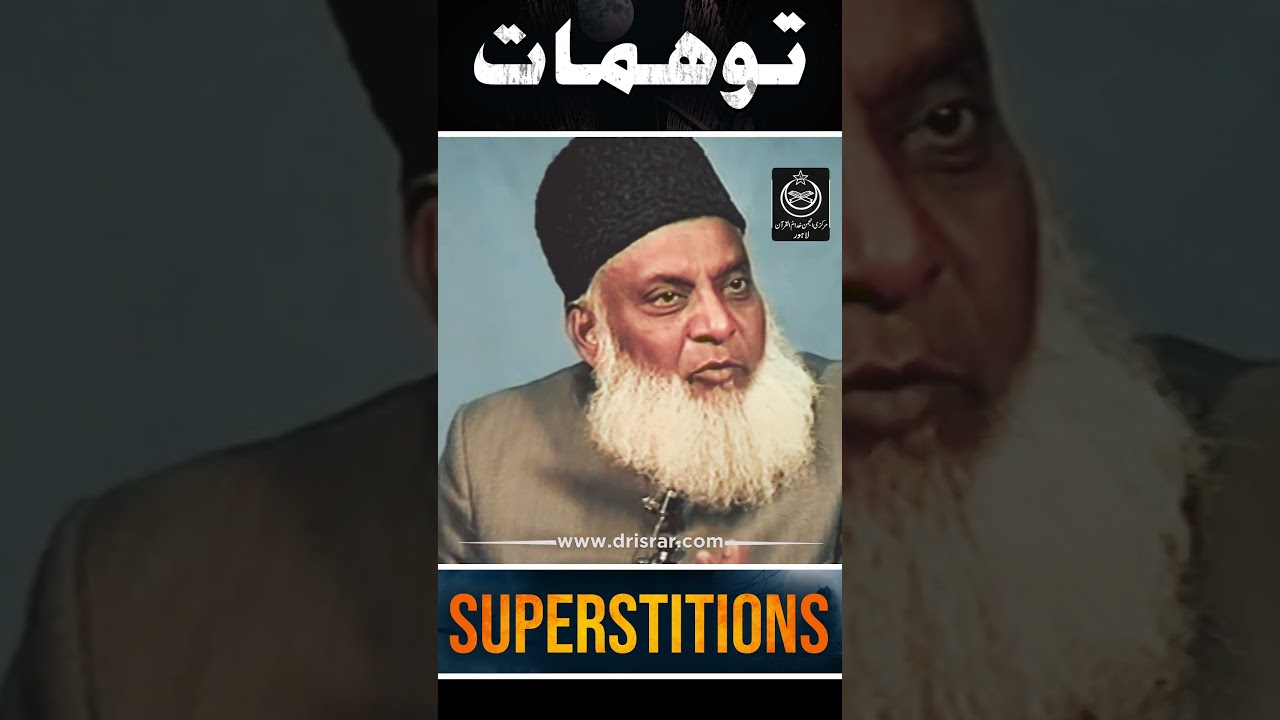
Earthquakes are not based on superstition or coincidence, but are a natural phenomenon linked to the Earth’s structure. The Earth is described as balanced on two horns, similar to a bull. When one ‘horn’ weakens, the Earth shifts to the other, causing seismic activity. This concept predates modern science and is found in revealed texts. The Quran emphasizes abandoning speculation and basing beliefs on knowledge, as highlighted in Surah Al-Furqan and verses in Surah Bani Israel that discourage following what one lacks understanding of. The lecture stresses the importance of grounding faith in reason and observable reality.
71
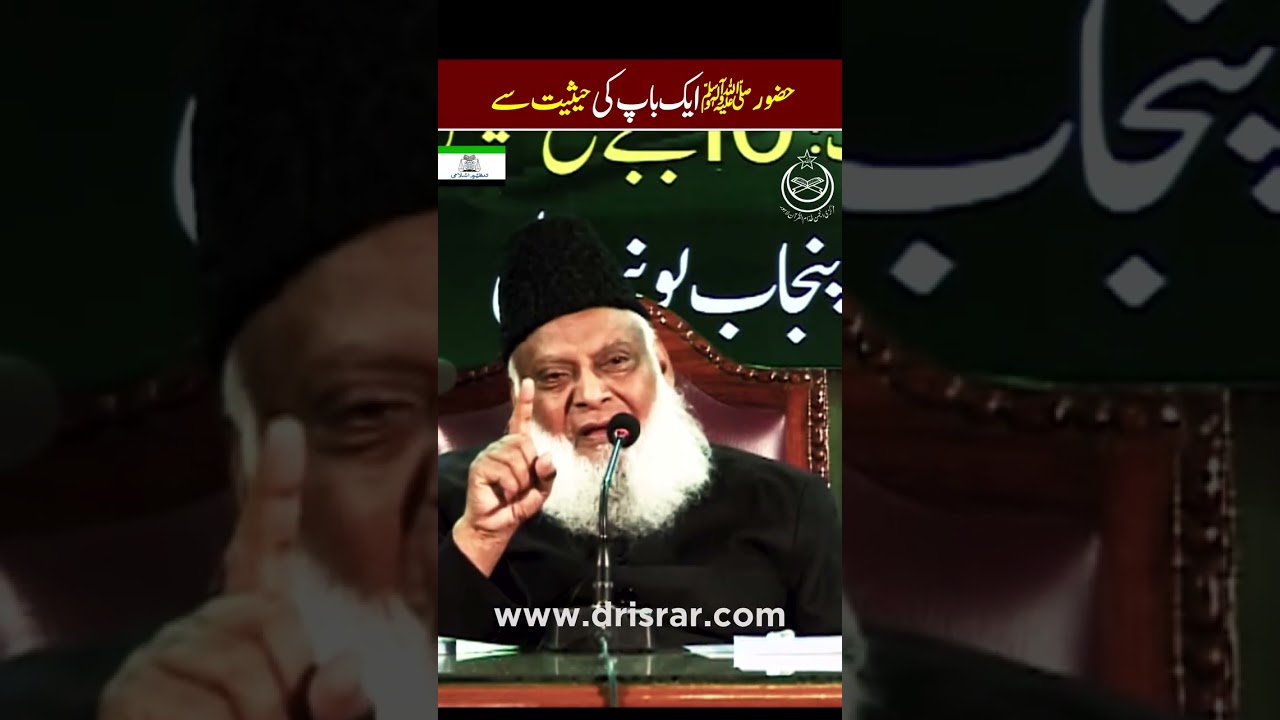
This lecture explores the life of Hazrat Fatima, the daughter of Prophet Muhammad (peace be upon him), highlighting her sacrifices, devotion, and the hardships she endured. It delves into her relationship with her father, her role as a mother, and the challenges faced by the early Muslims. The speaker emphasizes Fatima’s piety, patience, and her exemplary character as a role model for all believers. The discussion also touches upon the material possessions and worldly comforts, contrasting them with spiritual values and the importance of remembrance of Allah after every prayer.
72
