Shorts
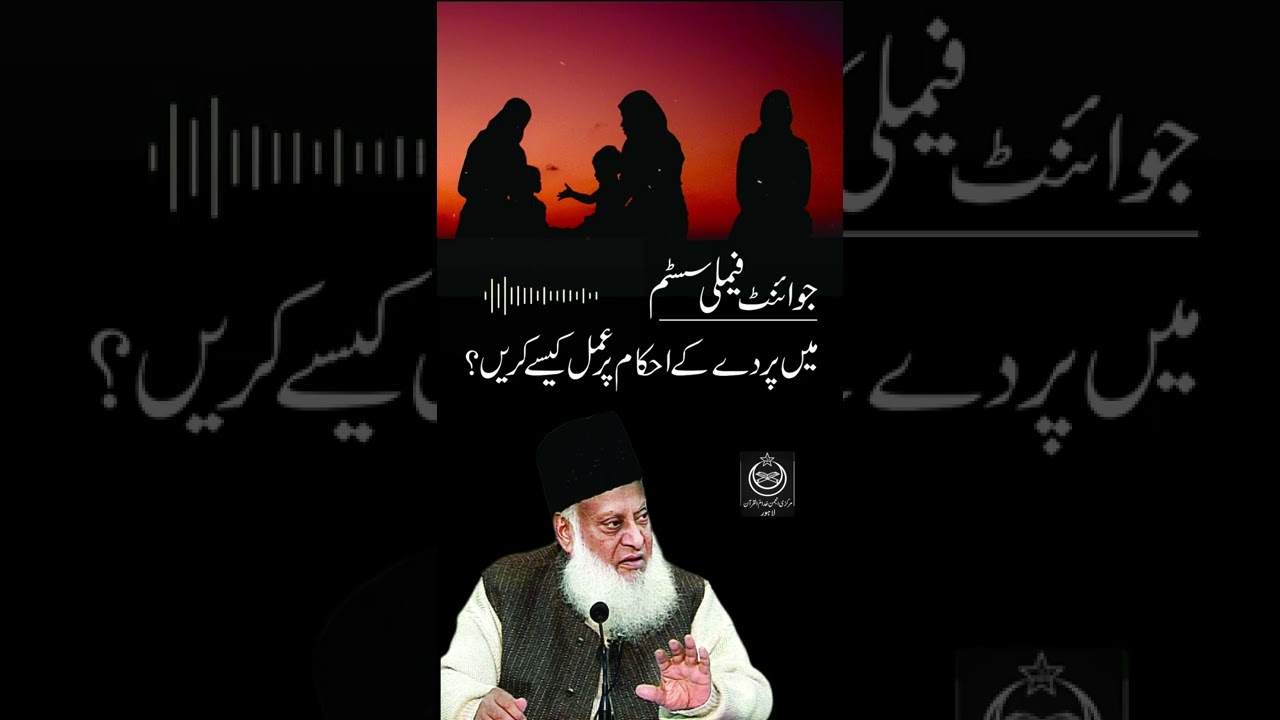
This lecture discusses the application of *purdah* (modesty/seclusion) within a joint family system. Dr. Israr Ahmad explains that while strict adherence to *purdah* as practiced between separate households isn't possible, certain guidelines can be followed. These include avoiding direct face-to-face interaction between a younger brother's wife and her husband’s elder brother, maintaining distance, and ensuring privacy during work or activities where unrelated men may be present. The discussion uses an example of a woman working while maintaining *purdah* from male relatives and outsiders.

91

This lecture discusses a dangerous mindset prevalent among some communities: the belief that belonging to a specific lineage or group guarantees forgiveness and exempts them from accountability. This mindset leads to moral decay, justification of wrongdoing, and a rejection of responsibility. The speaker warns against prioritizing worldly pleasures and neglecting spiritual obligations, emphasizing the fleeting nature of life and the importance of striving for righteousness. He asserts that accountability is universal and that true salvation comes through sincere repentance and adherence to divine guidance, not through false assurances of inherited privilege.
74

This lecture emphasizes the immense reward for exercising patience with difficult relatives. It asserts that enduring their misbehavior with forbearance will yield double the reward. The lecture clarifies that the good deeds earned through patience will be transferred to those who wronged you, while their sins will be deducted from your account on the Day of Judgment. Therefore, one should not abandon fulfilling their familial obligations and should actively resist the urge to cut ties, even in the face of adversity.
54

The lecture clarifies the true meaning of *takbir*, emphasizing that ultimate sovereignty belongs to God alone. Human claims to absolute authority, or the creation of laws independent of divine guidance, constitute *shirk* – associating partners with God. True *takbir* involves recognizing God’s supreme greatness and rejecting any notion of shared sovereignty. The speaker stresses that attributing greatness to anyone other than God diminishes His glory and elevates the claimant. The essence of *takbir* is affirming God’s absolute authority and establishing His greatness by negating all false claims to power.
69

This lecture explores the three dimensions of Allah's knowledge as detailed in Surah Taghabun. The first is His knowledge of everything in the heavens and earth. The second is His awareness of both outward actions and hidden intentions. The third, and most profound, is His knowledge of the contents of the human heart, including subconscious thoughts and motivations. Humans often deceive themselves, believing their intentions are pure when they are not. Allah knows these hidden biases. This discussion connects these concepts to modern psychology, explaining the conscious, subconscious, and unconscious mind. It highlights that Allah is aware of the internal struggles, temptations, and the turmoil within the human psyche, even before the individual is consciously aware of them.
83
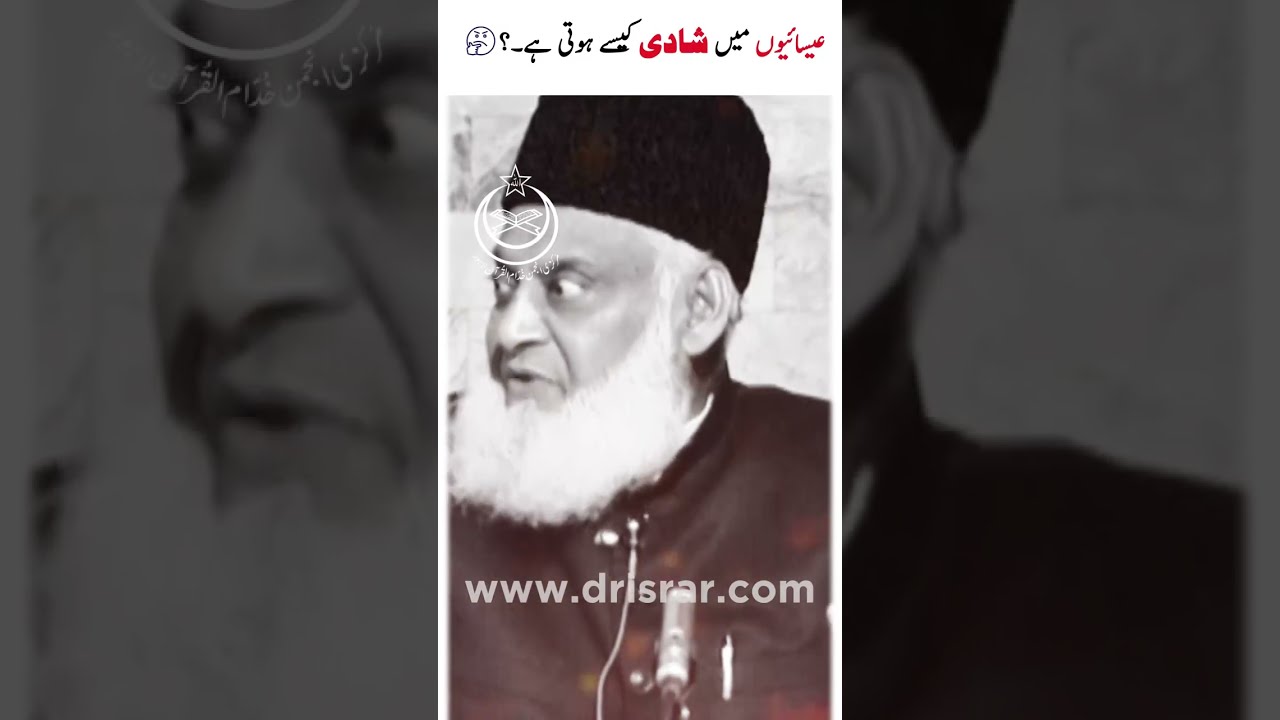
Dr. Israr Ahmad discusses the differences between Christian and Islamic marriage ceremonies. He highlights that in Christian weddings, the bride and groom stand face-to-face before the priest, openly professing their acceptance of each other. This contrasts with the Islamic practice where the bride and groom often remain somewhat secluded during the Nikah. He observes the respect afforded to the church and the priest within the Christian tradition, and contrasts this with the often-devalued position of the Imam or Nikah officiant in some Muslim communities. The lecture emphasizes the importance of dignity and reverence in religious practices.
70
