Corti
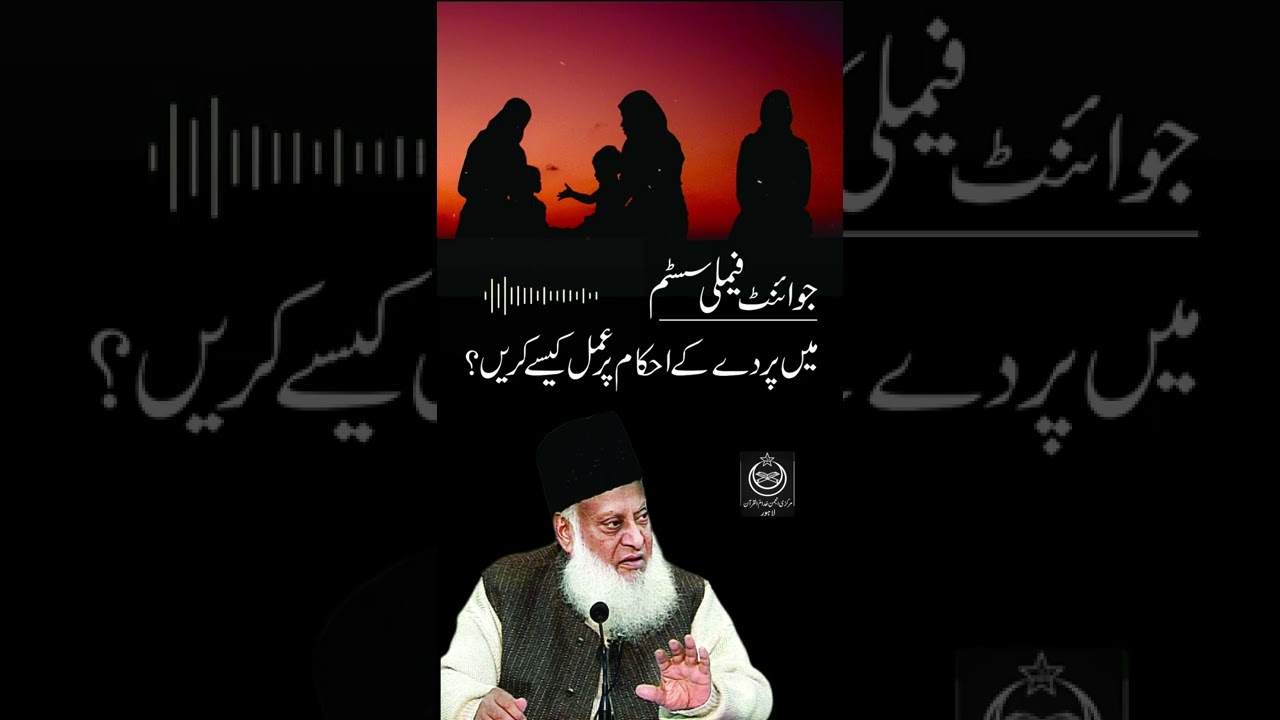
This lecture discusses the application of *purdah* (modesty/seclusion) within a joint family system. Dr. Israr Ahmad explains that while strict adherence to *purdah* as practiced between separate households isn't possible, certain guidelines can be followed. These include avoiding direct face-to-face interaction between a younger brother's wife and her husband’s elder brother, maintaining distance, and ensuring privacy during work or activities where unrelated men may be present. The discussion uses an example of a woman working while maintaining *purdah* from male relatives and outsiders.

91

This lecture emphasizes that prayer (dua) is the core of worship. God hears and responds to every sincere call, irrespective of the supplicant’s location or posture. God accepts prayers offered from any place, whether at home or elsewhere, and responds to those who turn to Him with devotion. The essence of faith lies in maintaining a constant connection with God through heartfelt supplication.
22

The natural progression of love shifts throughout life. Initially, a child's love is wholly focused on their parents due to dependence. As individuals mature, marry, and have children, the sphere of their affection expands, inevitably diminishing the exclusivity of parental love. Maintaining a strong connection with parents requires conscious effort and is considered a divine command. This lecture explains that prioritizing parental affection isn't automatic; it's a deliberate act of obedience to God’s will and a demonstration of gratitude for their sacrifices. It is a reminder to treat parents with kindness and respect, recognizing that fulfilling this obligation is not merely a natural impulse but a religious duty.
63
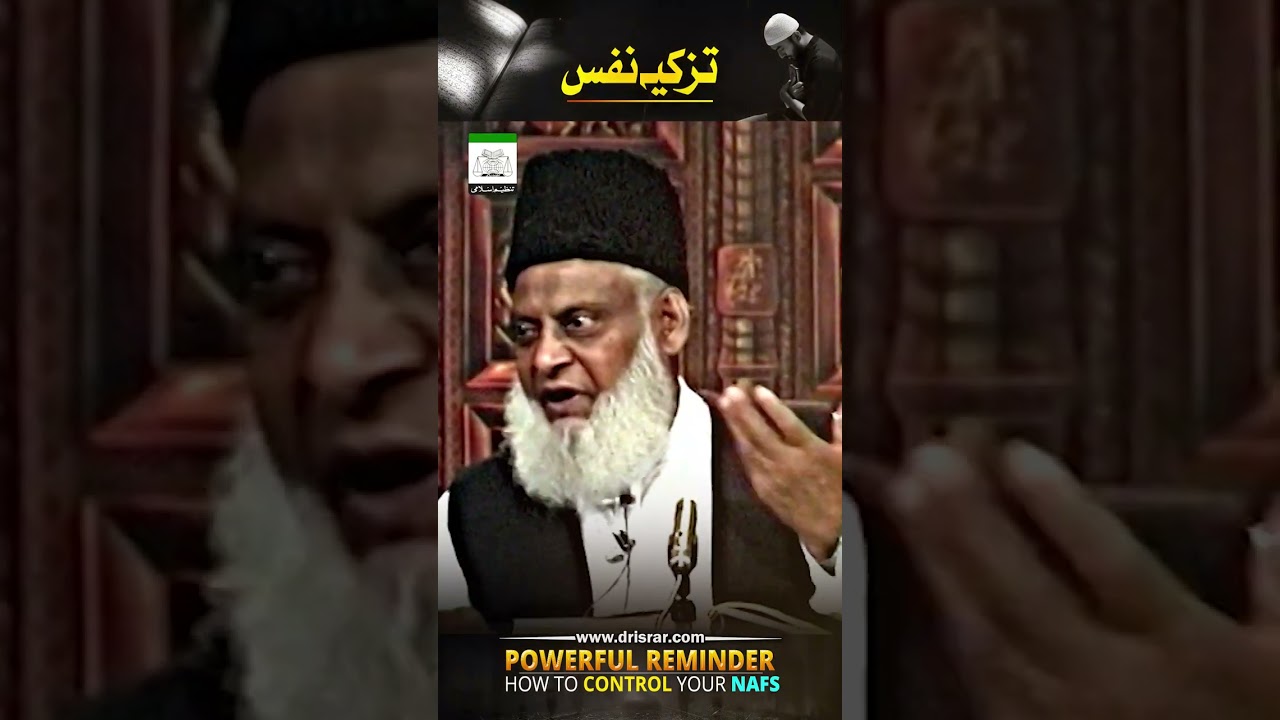
This lecture explores the profound impact of consistent Quranic recitation on the purification of the self. It details how deep contemplation and repetition remove intellectual and philosophical errors, dismantling false beliefs and flawed ideologies. True purification manifests not in outward cleanliness, but in the correction of inner thought and the alignment of actions with divine guidance. The speaker emphasizes that a focus on the afterlife fosters cautious behavior, mindful speech, and a commitment to earning a lawful livelihood. This process, rooted in the teachings and example of the Prophet Muhammad, peace be upon him, cultivates a life guided by truth, accountability, and a fear of divine judgment. It is a transformation from heedlessness to awareness, from worldly desires to spiritual fulfillment.
67

The Quran refers to Allah as 'Mawla'. Some people address respected scholars as 'Maulana' as a sign of reverence. This lecture clarifies that using the term 'Maulana' is not shirk (associating partners with God). The word 'Mawla' has multiple meanings: master, helper, and even a freed slave. It’s a term of respect, similar to addressing someone as 'my master', and its use is permissible. Both 'Maulana' (plural) and 'Maulvi' (singular) convey the same meaning: ‘our master.’ Showing respect to others is not an act of shirk.
66

The concept of *ubudiyat* (devotion) encompasses two essential elements: the utmost love and complete submission. True devotion is achieved when both reach their peak, uniting in a profound connection with the Divine. This lecture emphasizes that devotion is fundamentally rooted in intense love for God, coupled with total surrender and humility before Him. These two aspects are inextricably linked; one cannot exist without the other. The complete yielding of self, and an absolute devotion, are the hallmarks of genuine worship.
56
