Shorts
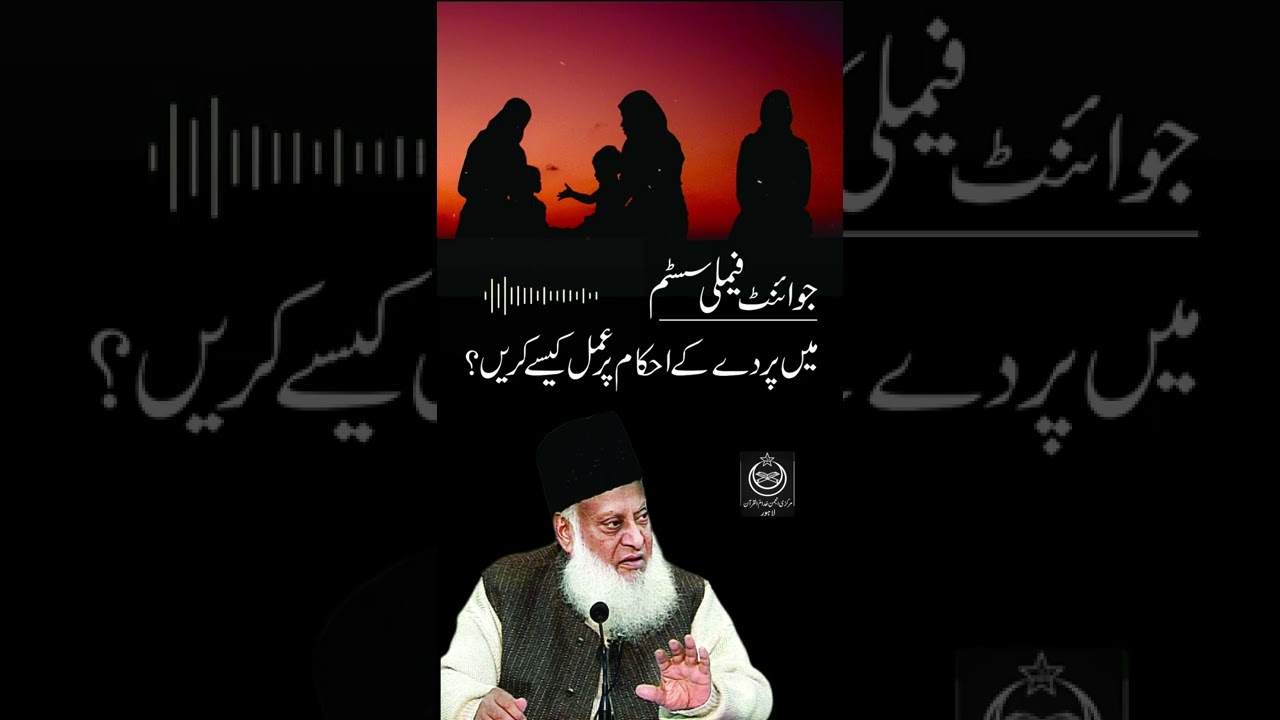
This lecture discusses the application of *purdah* (modesty/seclusion) within a joint family system. Dr. Israr Ahmad explains that while strict adherence to *purdah* as practiced between separate households isn't possible, certain guidelines can be followed. These include avoiding direct face-to-face interaction between a younger brother's wife and her husband’s elder brother, maintaining distance, and ensuring privacy during work or activities where unrelated men may be present. The discussion uses an example of a woman working while maintaining *purdah* from male relatives and outsiders.

91

This lecture explains that divine assistance arrives after a thorough testing of one’s sincerity and purity. The speaker emphasizes that Allah tests individuals completely to confirm their true worthiness before providing help. True assistance manifests only when one’s inner self is proven genuine. The lecture draws a parallel to a gardener nurturing a garden, suggesting that divine intervention, like the arrival of angels, occurs after meticulous preparation and a demonstration of genuine effort. It highlights that Allah observes and tests before bestowing blessings.
96
Dr. Israr Ahmad emphasizes the pivotal role of the individual in shaping the destiny of nations. He asserts that a nation's fate rests in the hands of its people, with each individual acting as a guiding star for the community. True progress stems from individual piety, devotion, and sincerity of purpose – working solely for the pleasure of God and striving for success in the afterlife. This lecture stresses the importance of solidifying individual character before uniting for collective advancement, with the Quran as the essential binding force.
86

The speaker reflects on a lifetime of acquiring knowledge – philosophy, Eastern and Western learning – and realizes its inadequacy without divine connection. He describes this knowledge as a fruitless palm tree, devoid of benefit. He expresses a desire to move beyond intellectual understanding to experience divine madness, passion, and a consuming love for God, seeking a spiritual awakening after resolving life’s complexities.
61

This lecture details three categories of people whose prayers are not accepted by God. These include a man who remains with a wife of bad character but refuses divorce, an individual who entrusts wealth to a foolish person despite divine prohibition, and a person who has a debt outstanding but did not establish proper witnesses. God will not answer the prayers of such individuals.
50
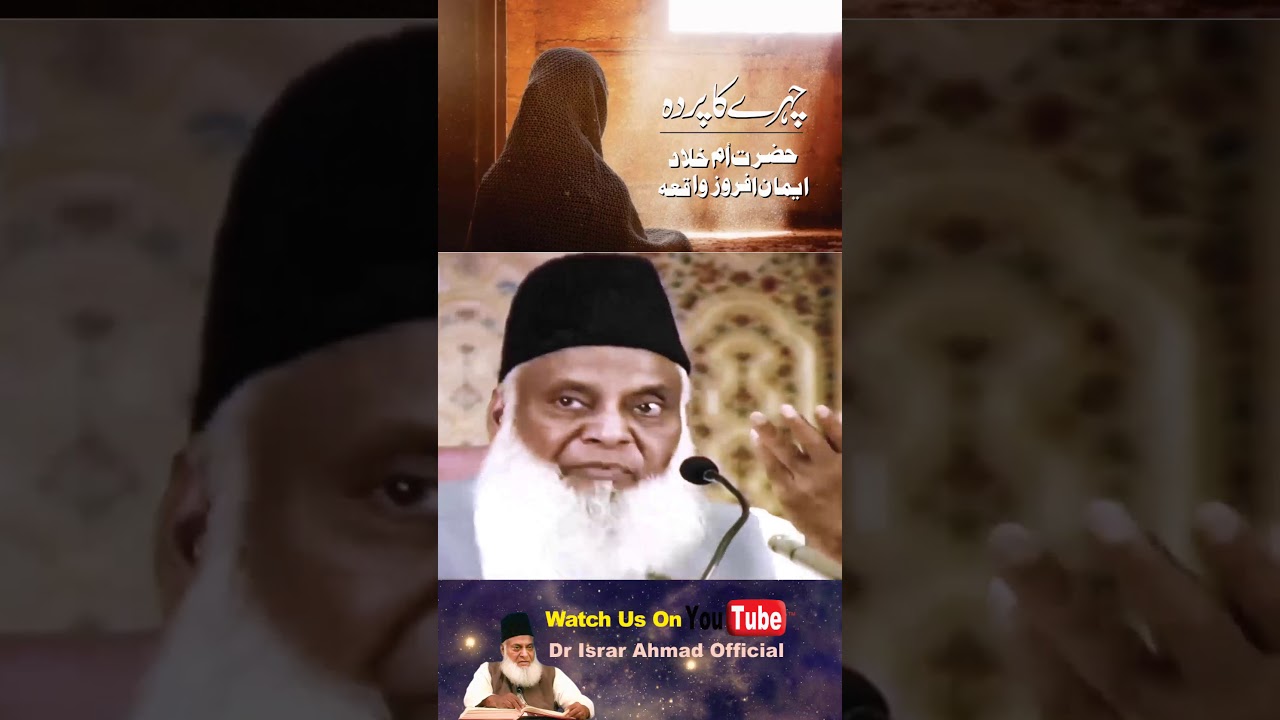
This lecture discusses the historical and cultural significance of veiling practices, specifically addressing a hadith about a woman who approached the Prophet Muhammad (peace be upon him) after the martyrdom of her son. The speaker contrasts traditional Islamic concepts of modesty and privacy with modern, Westernized norms. He emphasizes the importance of maintaining boundaries within the home and the distinction between spaces for women and men, highlighting how these practices reflect a commitment to modesty and dignity even in times of grief. The discussion also points to the historical context of veiling as a marker of respectability and cultural identity, contrasting it with later interpretations. The speaker underscores that a dignified life, even after loss, is a cornerstone of Islamic culture.
150
