短裤

The sermon details a severe warning against neglecting Friday prayers. Abandoning three consecutive Friday prayers without a legitimate excuse results in Allah sealing one’s heart—a punishment reserved for the worst disbelievers. This sealing signifies a spiritual death, rendering the individual incapable of accepting faith. The sermon emphasizes the paramount importance of consistently attending Friday prayers as a demonstration of devotion and submission to Allah.

76

This lecture emphasizes the importance of protecting the property of orphans and ensuring their well-being. It highlights the prohibition of exploiting orphans' wealth, mismanaging their assets, or exchanging good assets for inferior ones. The discussion stresses the need for responsible guardianship and safeguarding orphans' rights until they reach maturity and can manage their affairs independently. It underscores the ethical and religious obligations towards vulnerable members of society, particularly orphans.
54

This lecture clarifies the Islamic concepts of *israf* (wastefulness) and *tabzir* (extravagance). *Israf* is exceeding necessity when fulfilling a need, while *tabzir* is spending wealth unnecessarily for show and ostentation. The Quran condemns *tabzir* more severely than *israf*, equating those who practice it with the brothers of Satan. The speaker emphasizes the importance of moderation and fulfilling needs without excess, contrasting essential spending with wasteful displays of wealth. This discussion highlights the spiritual consequences of extravagance and promotes a mindful approach to resource utilization.
56
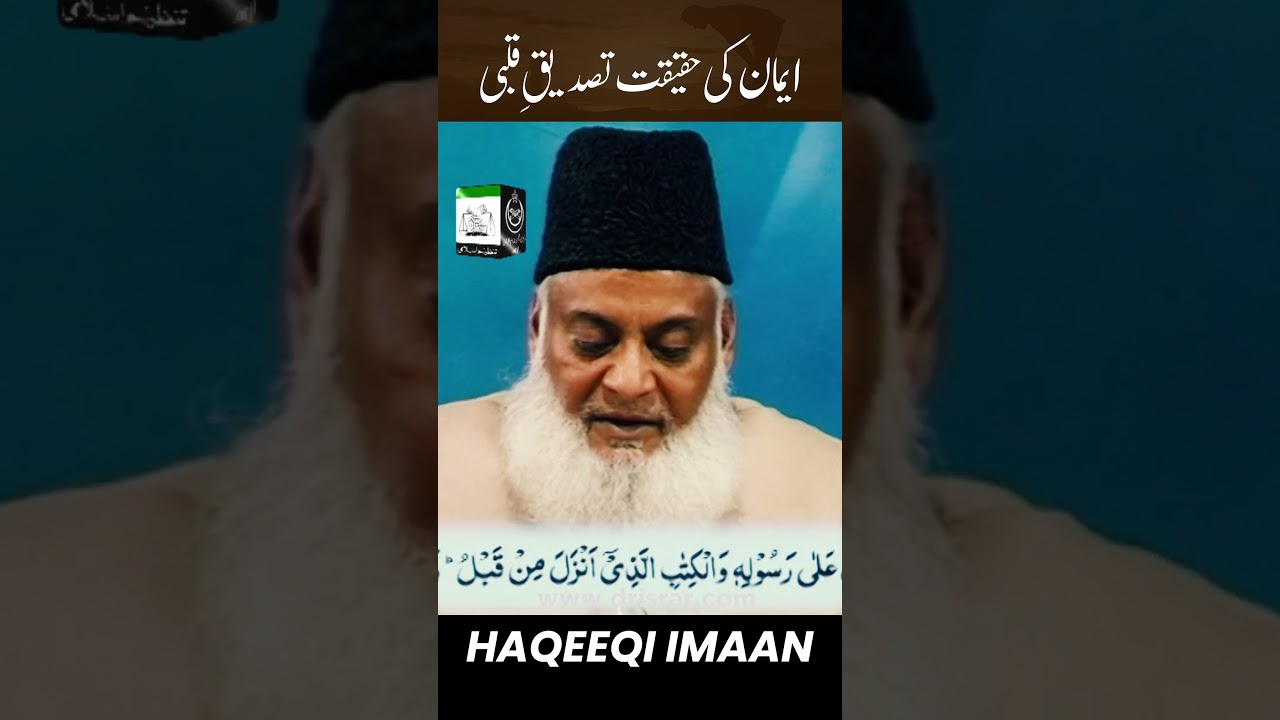
The text discusses the true nature of faith, emphasizing that genuine belief requires both verbal affirmation and sincere conviction of the heart. It contrasts this with the hypocrisy of those who profess faith but lack inner belief. The passage highlights the importance of believing in God, His angels, His books, His messengers, and the Day of Judgement. Rejecting any of these constitutes profound error and leads to severe spiritual deviation. True faith encompasses complete acceptance of divine guidance and the consequences of belief or disbelief.
48

The process of self-purification involves internalizing the Quran – understanding it with your intellect, reflecting upon it in your thoughts, and illuminating your heart with its guidance. This inner illumination dispels darkness and washes away impurities, much like leaves falling from trees in autumn. Faith, once established, generates an inner light that permeates the entire being. This requires controlling base instincts, detaching from worldly desires like wealth and power, and purifying one’s character from vices. The Quran is the primary source for achieving this purification.
73

True piety isn't demonstrated through outward acts of worship directed towards the east or west. Genuine goodness lies in sincere belief in God, the Day of Judgment, angels, scriptures, and prophets. Actions must be performed solely for the pleasure of God and the reward in the afterlife. Deeds motivated by worldly gain are mere transactions, not acts of piety. A firm faith in God and the afterlife is essential for any act to be considered truly virtuous; otherwise, it is a superficial facade, like gold plating over brass, easily stripped away. Actions lacking sincere intention are temporary and hold no lasting value.
47
