מִכְנָסַיִים קְצָרִים

The sermon details a severe warning against neglecting Friday prayers. Abandoning three consecutive Friday prayers without a legitimate excuse results in Allah sealing one’s heart—a punishment reserved for the worst disbelievers. This sealing signifies a spiritual death, rendering the individual incapable of accepting faith. The sermon emphasizes the paramount importance of consistently attending Friday prayers as a demonstration of devotion and submission to Allah.

76
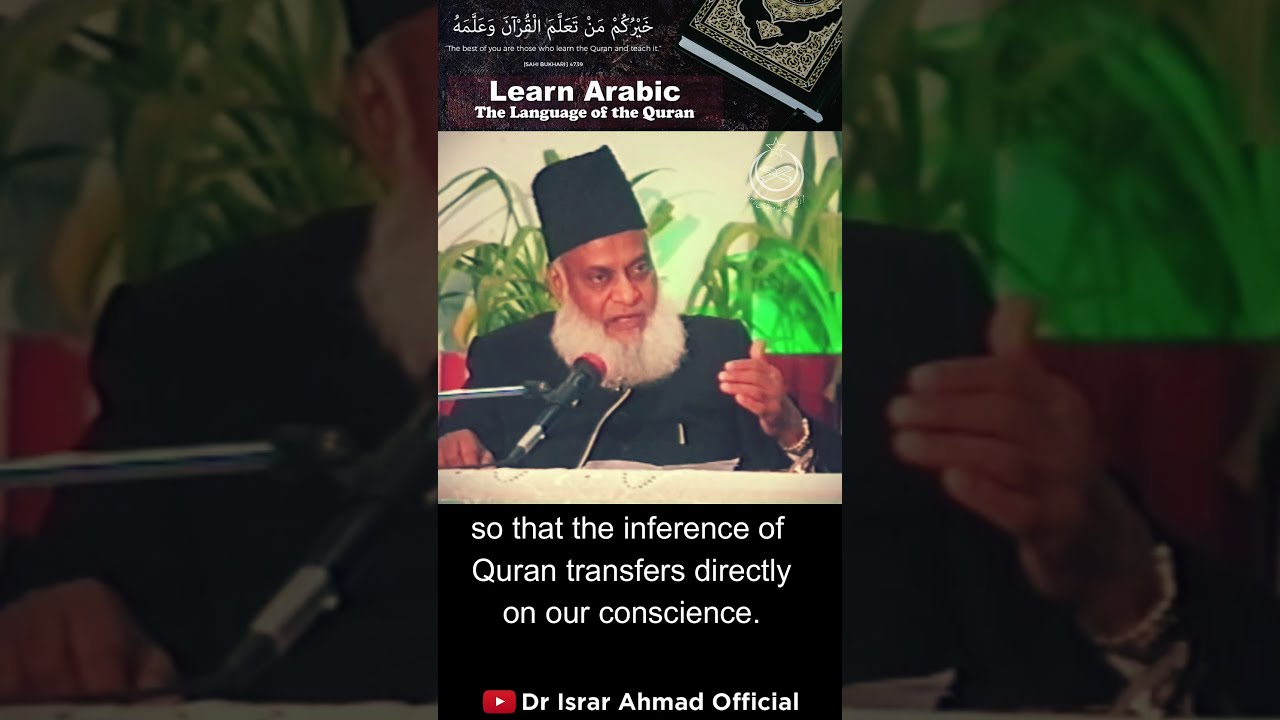
The Urdu language shares a profound connection with Arabic, extending beyond mere vocabulary. The script itself originates from Arabic, and numerous grammatical structures and lexical items are directly borrowed. This linguistic kinship makes learning Arabic particularly advantageous for Urdu speakers, facilitating a deeper understanding of religious texts like the Quran. Despite this inherent connection, sufficient effort hasn’t been directed towards mastering Arabic to directly grasp the Quran’s meaning. The speaker emphasizes the pervasive presence of Arabic-derived words in everyday Urdu speech, highlighting a missed opportunity for intellectual and spiritual enrichment.
58

This lecture explores the concept of divine uniqueness, emphasizing that God is free from any partners, progeny, or need for support. It highlights the attributes of God as the sole sovereign, creator, and sustainer of the universe, deserving of all praise and magnification. The discussion centers on the affirmation of God’s absolute oneness and transcendence, rejecting any form of association or limitation to His divine essence. It underscores the importance of recognizing God's perfect attributes and submitting to His will.
49

The lecture clarifies the true meaning of *takbir*, emphasizing that ultimate sovereignty belongs to God alone. Human claims to absolute authority, or the creation of laws independent of divine guidance, constitute *shirk* – associating partners with God. True *takbir* involves recognizing God’s supreme greatness and rejecting any notion of shared sovereignty. The speaker stresses that attributing greatness to anyone other than God diminishes His glory and elevates the claimant. The essence of *takbir* is affirming God’s absolute authority and establishing His greatness by negating all false claims to power.
68

This lecture discusses the dual approach of encouragement and warning found within Islamic teachings, specifically referencing Surah Al-Asr. It emphasizes that effective guidance requires both positive reinforcement—recognizing potential and offering hope—and constructive criticism, alerting individuals to the consequences of negative actions. The speaker highlights that humans are susceptible to ruin unless they fulfill four conditions: faith, righteous deeds, upholding truth, and encouraging it in others. The balance of *tabshir* (giving good news) and *anzar* (warning) is essential for personal and collective development, reflecting the comprehensive nature of the Quranic message.
67

Hares Ahshari reports that the Messenger of Allah commanded Muslims to adhere to five principles: maintaining unity and cohesion within the community, obedience to leadership, migration for the sake of faith, and striving in the path of God. This directive, relayed by the Prophet, is not of his own volition but a direct command from God. These principles are essential for the strength and progress of the Muslim community, ensuring collective action and spiritual advancement. The report emphasizes that these are divine instructions, communicated through the Prophet, and should be followed diligently.
54
