Kurze Hose

The sermon details a severe warning against neglecting Friday prayers. Abandoning three consecutive Friday prayers without a legitimate excuse results in Allah sealing one’s heart—a punishment reserved for the worst disbelievers. This sealing signifies a spiritual death, rendering the individual incapable of accepting faith. The sermon emphasizes the paramount importance of consistently attending Friday prayers as a demonstration of devotion and submission to Allah.

76
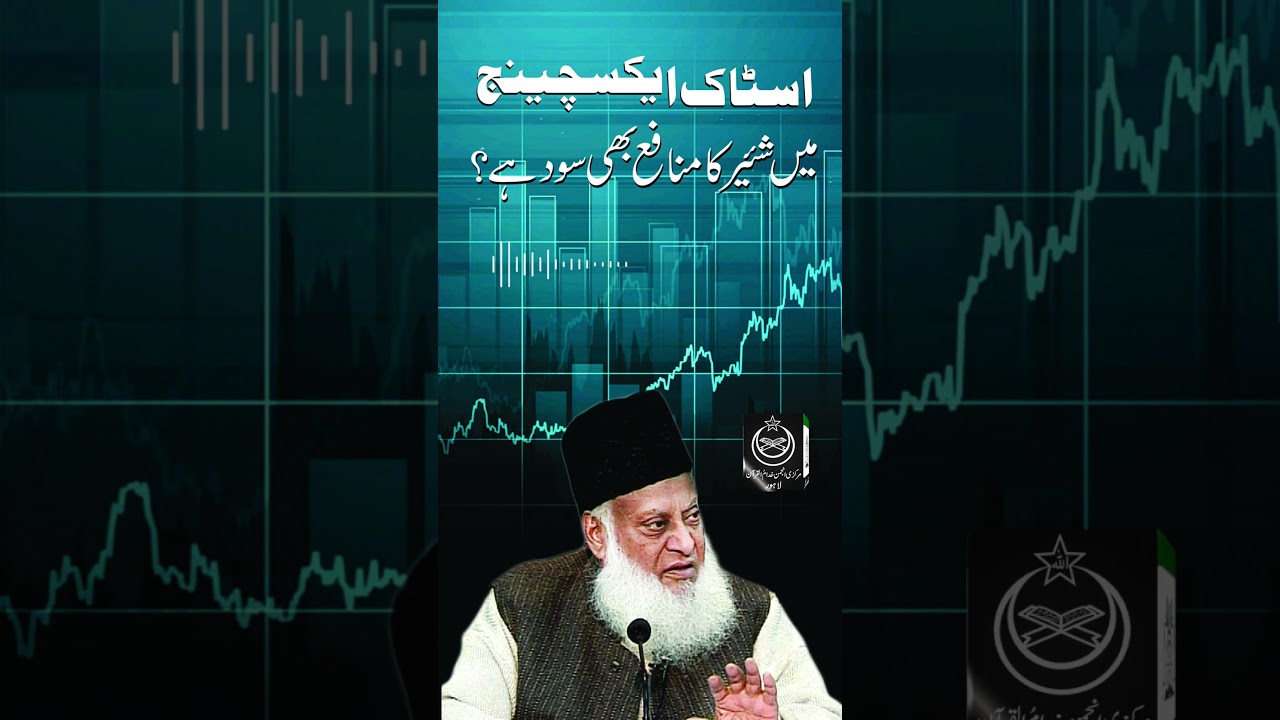
This lecture discusses the permissibility of stock market transactions in Islam. It clarifies that legitimate trade involves the actual exchange of goods, while stock trading, often based on speculation, resembles gambling. Direct purchase and sale with actual monetary exchange and receipt of shares is considered different. The speaker highlights the concerns surrounding speculative trading and its potential conflict with Islamic principles.
86

This lecture explores the life of Prophet Muhammad (peace be upon him) as a comprehensive model for life, emphasizing the struggles and sacrifices made to establish Islam. It highlights the importance of not just following superficial rituals, but embodying the spirit of striving for the dominance of God's religion in all aspects of life. The speaker stresses the need for individual and collective effort, drawing parallels between the Prophet's challenges and the current state of the Muslim community. True devotion lies in aligning one's actions with the Prophet's example, not merely reciting slogans or claiming piety. It’s a call to emulate the Prophet’s relentless dedication to establishing justice, truth, and faith in the world.
86

This lecture clarifies the distinction between permissible (halal) and prohibited (haram) actions and foods in Islam. It specifically addresses ‘mushtabahat’ – the grey areas between clear halal and haram. The speaker emphasizes erring on the side of caution and avoiding ambiguous matters to maintain piety. While legally permissible to engage with ambiguous things if their prohibition isn’t definitively proven, true piety lies in restricting oneself to that which is demonstrably halal, based on evidence from the Quran and Sunnah. The lecture stresses that while the law may allow for ambiguity, religious devotion demands a higher standard of certainty.
69
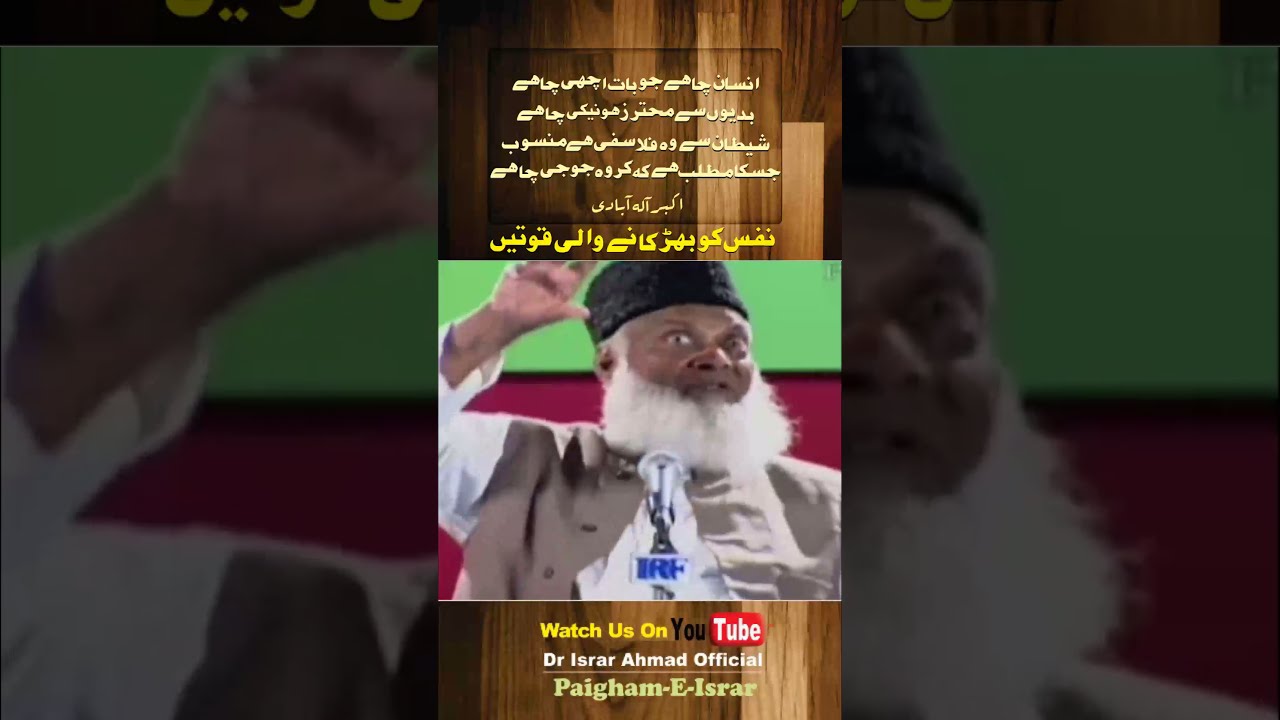
This lecture discusses the internal and external forces that incite the ego (nafs) to evil. It identifies both invisible forces—Satan and his jinn followers—and visible agents among humans who promote immorality as culture. The speaker emphasizes the necessity of actively resisting these pressures and recognizing Satan as an enemy to protect oneself from corruption and maintain spiritual integrity. Succumbing to these influences leads to spiritual decline and moral degradation. The core message is a call to vigilance and proactive opposition against all forms of evil.
61

This lecture addresses the principles of justice and impartiality when resolving disputes, particularly between Muslims and non-Muslims. It emphasizes that judgments must be based on equity and truth, regardless of religious affiliation. The speaker cautions against allowing personal biases or animosity towards any group to influence judicial decisions. True justice, it is argued, is achieved through adherence to divine guidance and righteousness, ensuring fairness for all involved. The lecture stresses the importance of maintaining impartiality even when one party belongs to one’s own faith or community, and warns against letting enmity sway judgements.
76
