شلوار کوتاه
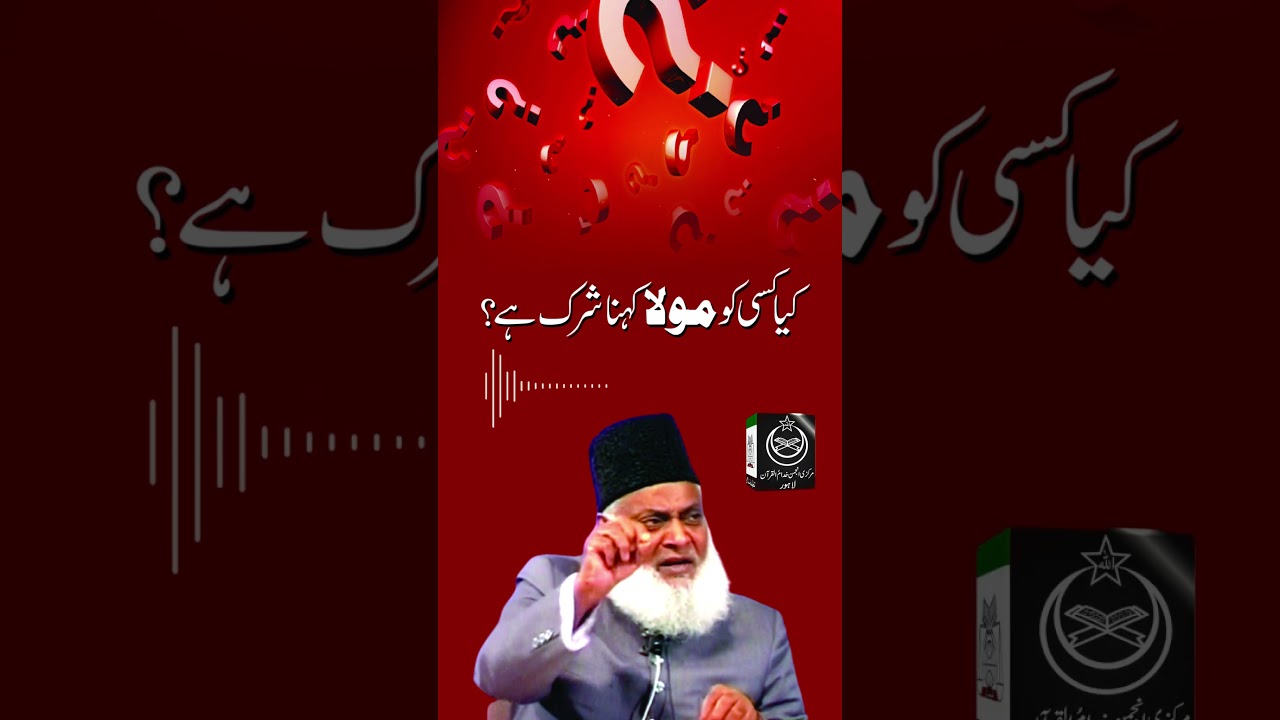
The Quran refers to Allah as 'Mawla'. Some people address respected scholars as 'Maulana' as a sign of reverence. This lecture clarifies that using the term 'Maulana' is not shirk (associating partners with God). The word 'Mawla' has multiple meanings: master, helper, and even a freed slave. It’s a term of respect, similar to addressing someone as 'my master', and its use is permissible. Both 'Maulana' (plural) and 'Maulvi' (singular) convey the same meaning: ‘our master.’ Showing respect to others is not an act of shirk.

65

Islam is founded upon five pillars: the declaration of faith (belief in one God and the prophethood of Muhammad), the performance of prayer, the giving of charity (Zakat), fasting during Ramadan, and pilgrimage to Mecca for those who are able. These five pillars constitute the core of Islamic practice and belief, forming the foundation upon which the religion stands.
78

This lecture clarifies the permissibility of continuing to eat and drink until the white thread of dawn becomes distinctly separate from the black thread of night. It addresses excessive caution observed by some regarding the timing of *suhoor*, emphasizing that one can complete their meal even after the call to prayer. The speaker explains that the period of fasting begins at sunset and ends with the start of a new day, and that strict adherence to precise timing isn’t necessary, citing the Prophet’s allowance for finishing a drink even after the *azaan*. The emphasis is on the blessing in consuming the pre-dawn meal and avoiding unnecessary rigidity in its observance.
57

Human beings are prone to error, being descendants of Adam. The core message emphasizes consistent repentance as a path to divine mercy. Despite repeated failings, sincere *tawba* (repentance) is perpetually accepted. The lecture highlights that breaking repentance does not disqualify one from returning to it. Allah’s mercy remains accessible as long as one continues to seek forgiveness. It stresses that the door of repentance is always open, even after multiple transgressions, and that consistent effort to return to Allah is vital.
60

The presence of photographs within a home prevents angels from entering. This impacts the spiritual well-being of all inhabitants, hindering their worship. While angels of mercy refrain from entering homes displaying images, recording angels remain present. The prohibition stems from a divine disapproval of pictorial representations, serving as an expression of displeasure. The issue is one of religious preference, not a strict legal matter. Displaying pictures is discouraged, but not considered a fatal flaw in faith.
80
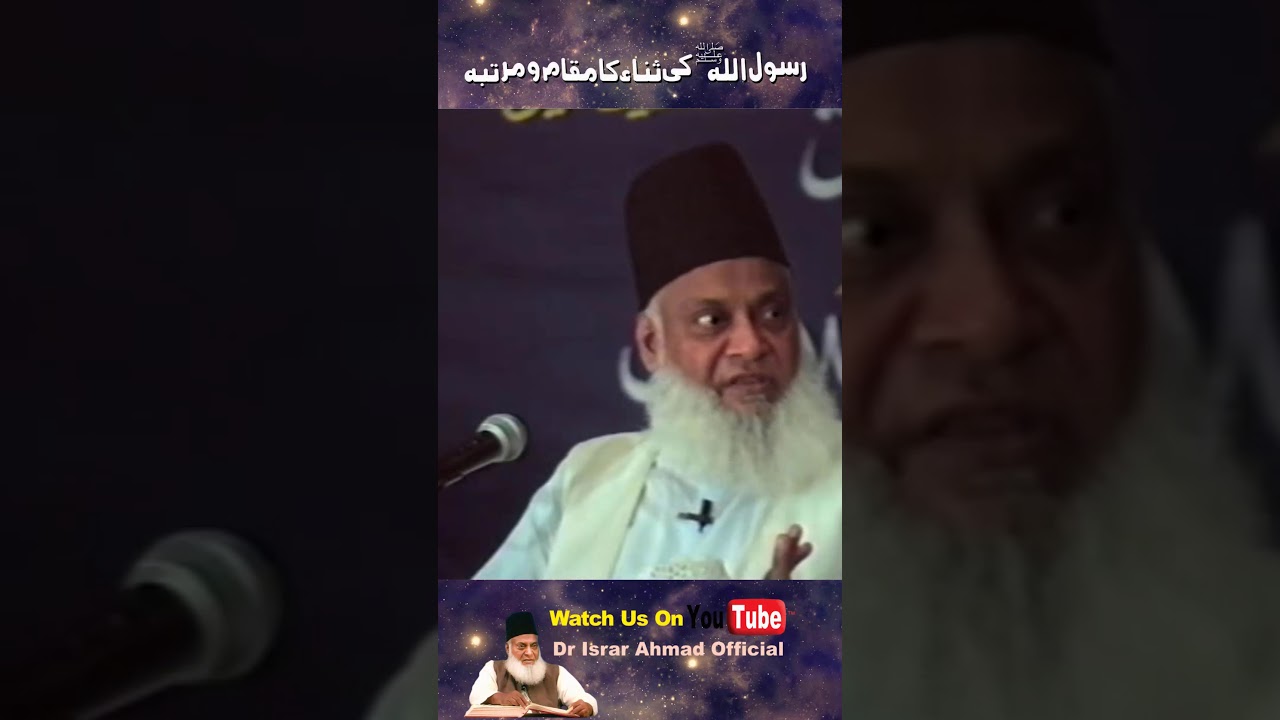
This lecture explores the unparalleled glory and status of the Prophet Muhammad (peace be upon him). It emphasizes that after Allah, the Prophet is the most significant figure in existence. The speaker highlights the Prophet’s luminous face as the source of all light and acknowledges the human mind’s inability to fully comprehend the Prophet’s greatness. The lecture ultimately asserts that seeking refuge in the Prophet’s presence is the path to salvation, recognizing his unmatched spiritual stature.
82
