السراويل القصيرة
Musab bin Umair, a companion of the Prophet Muhammad, was a standard-bearer in the Battle of Ahzab. Despite suffering severe injuries—losing both hands while defending the Muslim flag—he refused to let it fall. He held the flag with the remnants of his arms until he was martyred. A problem arose during his burial as the cloth covering his body was too small to cover his head and feet simultaneously. The Prophet Muhammad instructed his followers to cover his head and place grass over his feet.

64
This lecture discusses the severe consequences of hypocrisy and seeking recognition for acts of worship. It highlights that genuine devotion is motivated by sincerity to God, not by the desire for worldly praise. The speaker explains that individuals who perform good deeds with the intention of gaining recognition will receive no reward in the afterlife. The lecture emphasizes the importance of inner faith and the distinction between actions performed for God's pleasure and those performed for public acclaim. It also addresses the dangers of ostentation in charity and the importance of pure intention. Ultimately, the message is a warning against superficial religious practice and a call for genuine piety. The speaker stresses that only God knows the true state of one's heart.
39
This lecture clarifies whether performing Umrah necessitates performing Hajj. It addresses the scenario of someone performing Umrah while on official government travel, funded by the state, and lacking the financial means for Hajj. The core point is that Umrah itself does not automatically make Hajj obligatory. However, if an individual possesses the financial capability, they should prioritize fulfilling the obligatory Hajj pilgrimage. The lecture emphasizes that if someone can afford to perform Hajj, it becomes an obligation upon them.
71
Before the Day of Judgement, Islam will prevail globally because it fulfills the purpose of Muhammad, the Messenger of God. This triumph is essential to completing the divine mission entrusted to him – to establish the dominance of faith across all of humanity. Until Islam is globally dominant, the ultimate purpose remains unfulfilled. This is a call to action, emphasizing that the work of spreading the message of Tawhid (Oneness of God) is ongoing. The Prophet Muhammad (peace be upon him) foretold this prevalence, echoing the sentiment expressed by Iqbal that the source of strength lies within one’s homeland and faith.
43
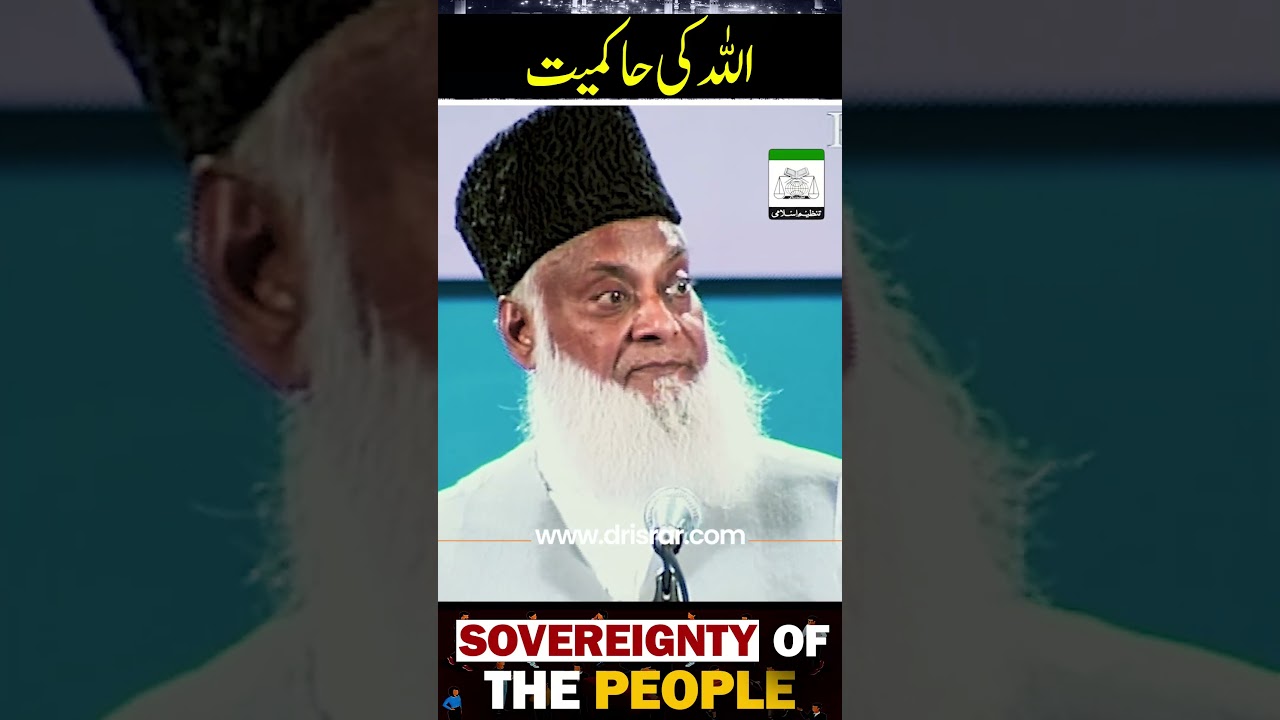
This lecture asserts that the ultimate right is the sovereignty of God, and its implementation is essential. Resistance to this divine right is considered rebellion. The speaker critiques secularism and popular sovereignty, arguing they contradict the fundamental right of God’s rule. True teaching of right involves facing resistance, while compromise and agreements that cause no harm are insufficient. The lecture emphasizes the importance of upholding God’s sovereignty even in the face of opposition.
50
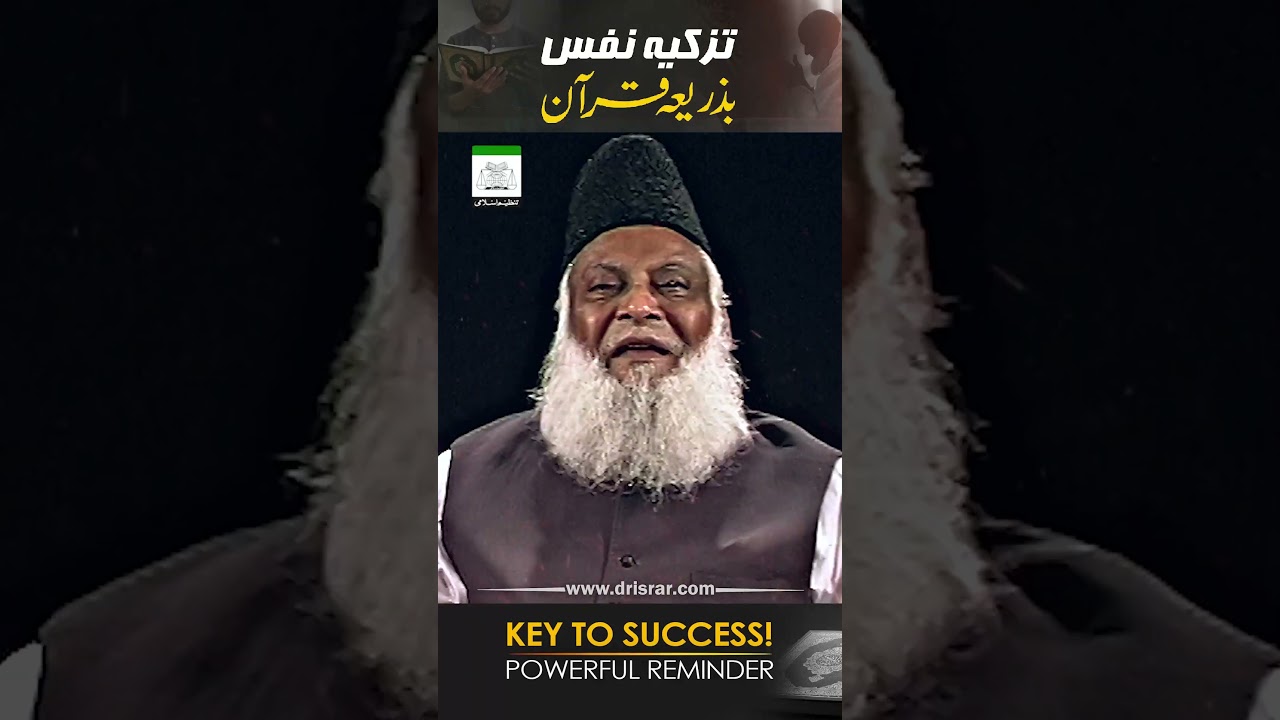
The process of self-purification involves internalizing the Quran – understanding it with your intellect, reflecting upon it in your thoughts, and illuminating your heart with its guidance. This inner illumination dispels darkness and washes away impurities, much like leaves falling from trees in autumn. Faith, once established, generates an inner light that permeates the entire being. This requires controlling base instincts, detaching from worldly desires like wealth and power, and purifying one’s character from vices. The Quran is the primary source for achieving this purification.
61
