Shorts
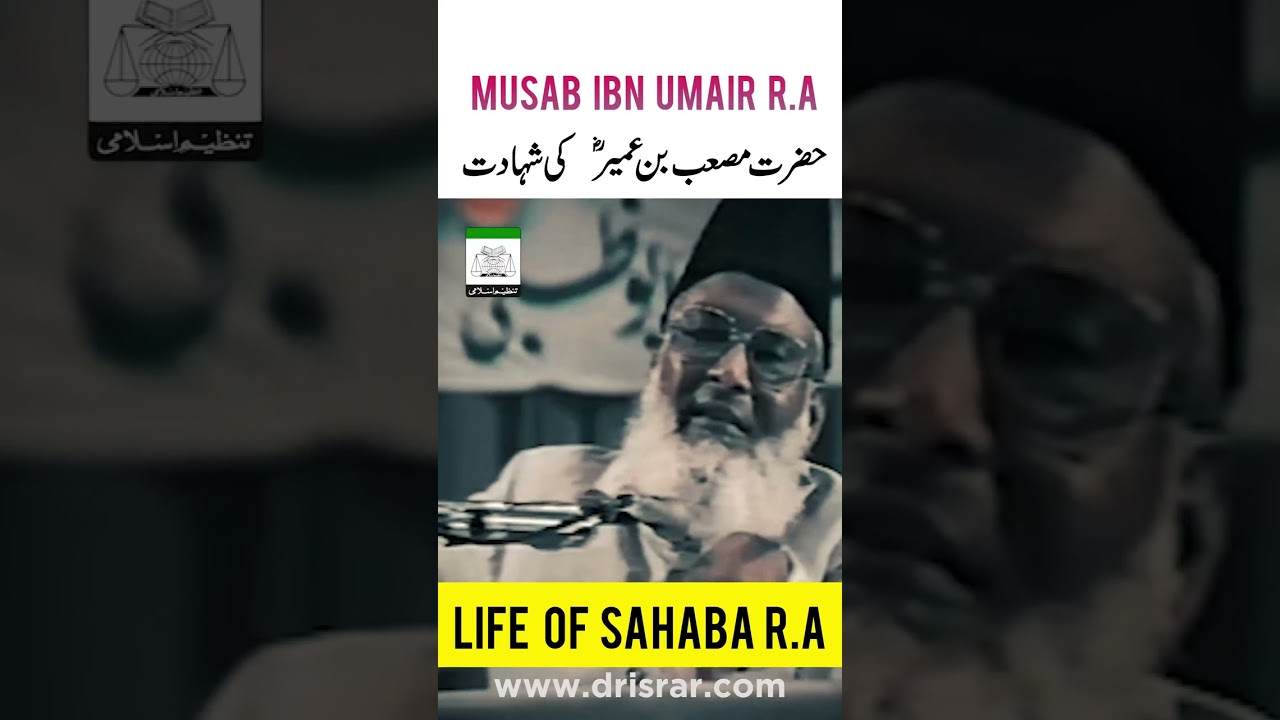
Musab bin Umair, a companion of the Prophet Muhammad, was a standard-bearer in the Battle of Ahzab. Despite suffering severe injuries—losing both hands while defending the Muslim flag—he refused to let it fall. He held the flag with the remnants of his arms until he was martyred. A problem arose during his burial as the cloth covering his body was too small to cover his head and feet simultaneously. The Prophet Muhammad instructed his followers to cover his head and place grass over his feet.

64
This lecture emphasizes a reciprocal relationship with God. True acceptance of prayers hinges on actively aiding God's cause and distancing oneself from those who defy Him. Divine assistance isn’t granted to those aligned with rebellion against God. Becoming a true servant of God guarantees His support, but allegiance to others while seeking divine favor is inconsistent. This is a two-way commitment, not a one-sided expectation. Support from God is earned through unwavering devotion and righteous action.
43

A recent gathering of Islamic movement leaders in London assessed global regions for the potential revival of Islam and the establishment of an Islamic system. The consensus identified Pakistan as the sole viable country for this purpose, possessing the inherent capabilities, resources, and challenges necessary for this undertaking. The lecture emphasizes Pakistan’s unique position and potential in the context of global Islamic resurgence.
231

This lecture discusses a crucial inner assessment. One side of a metaphorical scale holds love for eight worldly things: father, son, siblings, spouse, relatives, wealth, skills, and home. The other side holds love for God, the Prophet, and striving in His path. True faith requires that the latter outweigh the former. Until this balance is achieved, one remains susceptible to worldly desires and divine guidance is withheld. Every individual must establish this internal scale to evaluate their spiritual state and prioritize devotion over material attachments. It emphasizes the importance of sincere faith and prioritizing spiritual values to attain divine guidance and success.
46
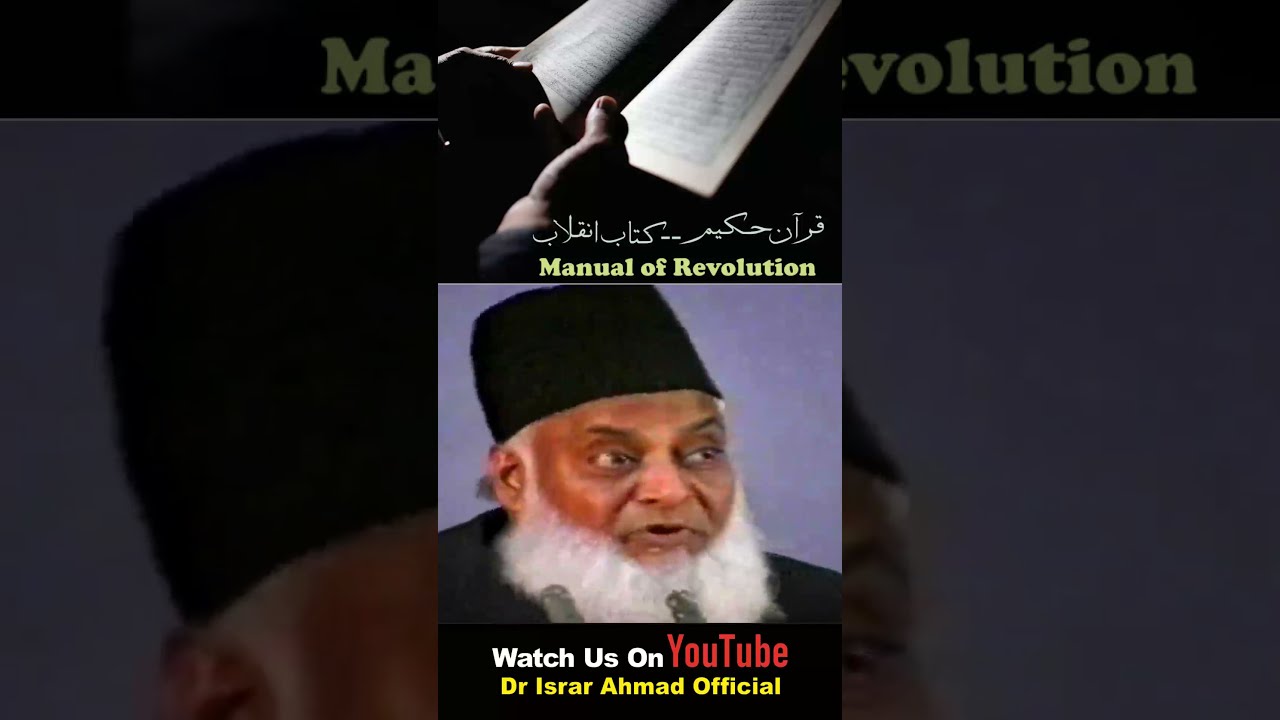
The Quran is not a book for academic study in isolation. Its true meaning reveals itself only through practical application of its teachings—both individually and collectively. The verses descended during a period of active struggle, and understanding them requires embracing that same dynamic spirit. The Quran possessed by those actively striving for good differs from the Quran understood by those who have become stagnant. The Quran’s content is not merely words on a page, but a living force that inspires action and prevents complacency. It’s a manual for revolution, demanding both personal righteousness and societal transformation. The Quran in the hands of a dynamic individual is different than one held by someone inert; it compels movement and evokes emotion.
124

This lecture emphasizes that true faith necessitates action, striving, and sacrifice. It refutes the misconception that mere belief alone guarantees salvation or progress. The speaker argues that a life devoid of effort, dedication, and selfless contribution is ultimately futile. Genuine faith, coupled with righteous deeds, mutual encouragement towards truth, and patience in adversity, are essential for a meaningful existence and achieving success in this life and the hereafter. It stresses the imperative of continuous effort and commitment as fundamental requirements for spiritual and worldly advancement, rejecting the notion of effortless attainment.
63
