Shorts
The lecture clarifies the distinction between being a Muslim—one who outwardly professes the faith—and a *mumin*—a true believer. It explains that merely claiming faith is insufficient; genuine belief requires complete trust in God and His Messenger, coupled with striving in His path with both wealth and life. The speaker references Surah Al-Hujurat, verse 14, highlighting that true faith enters the heart and manifests in dedicated action and sacrifice. A Muslim may adhere to the rituals, but a *mumin* embodies the complete essence of faith through unwavering dedication and continuous struggle for the sake of Allah.

78
This lecture emphasizes accepting both blessings and trials from God with contentment and recognizing divine wisdom in all circumstances. It highlights the importance of surrendering to God’s will and finding peace through acceptance of His decree. The core message is to remain steadfast in faith and find satisfaction in God’s plan, understanding that all events, whether positive or negative, occur with a divine purpose. It stresses that true contentment lies in aligning oneself with God's will, acknowledging His sovereignty, and finding peace in surrendering to His decree.
61
The speaker discusses the permissibility and desirability of conducting nikah ceremonies in mosques. Initially, the idea was met with some resistance, but convincing arguments were presented. He emphasizes a tradition from the Prophet Muhammad encouraging publicizing nikah and performing it in mosques, citing a narration from Jami’ al-Tirmidhi. While some scholars interpret the directive as not obligatory but rather recommended, the speaker questions why one would abandon a practice favored by the Prophet. He highlights that the nikah ceremonies of the Prophet’s daughters were also held in mosques and appeals to community leaders to embrace this practice, motivated by love for the Prophet.
71
This lecture clarifies the Islamic rulings regarding beards and mustaches. It states that growing a beard is a Sunnah, and interfering with its natural growth is discouraged. Trimming for balance is permissible if growth is uneven. Shaving the beard completely or excessively is considered a greater sin than not growing one at all. The lecture emphasizes that adhering to these practices is considered obligatory by some scholars, as it aligns with the teachings and practices of the Prophet Muhammad (peace be upon him).
76

This lecture emphasizes the importance of learning Arabic to understand the Quran. It addresses the paradox of educated individuals lacking religious literacy, highlighting the financial strain families endure to provide education that doesn’t prioritize foundational Islamic knowledge. The speaker urges parents to invest in their children’s spiritual development by prioritizing Arabic and Quranic studies, framing it as a continuous charitable act. He appeals to prioritize this education, even amidst financial hardship, as a legacy of faith and understanding for future generations. The lecture stresses the value of dedicating nine months to learning Arabic and comprehending the Quran's message.
68
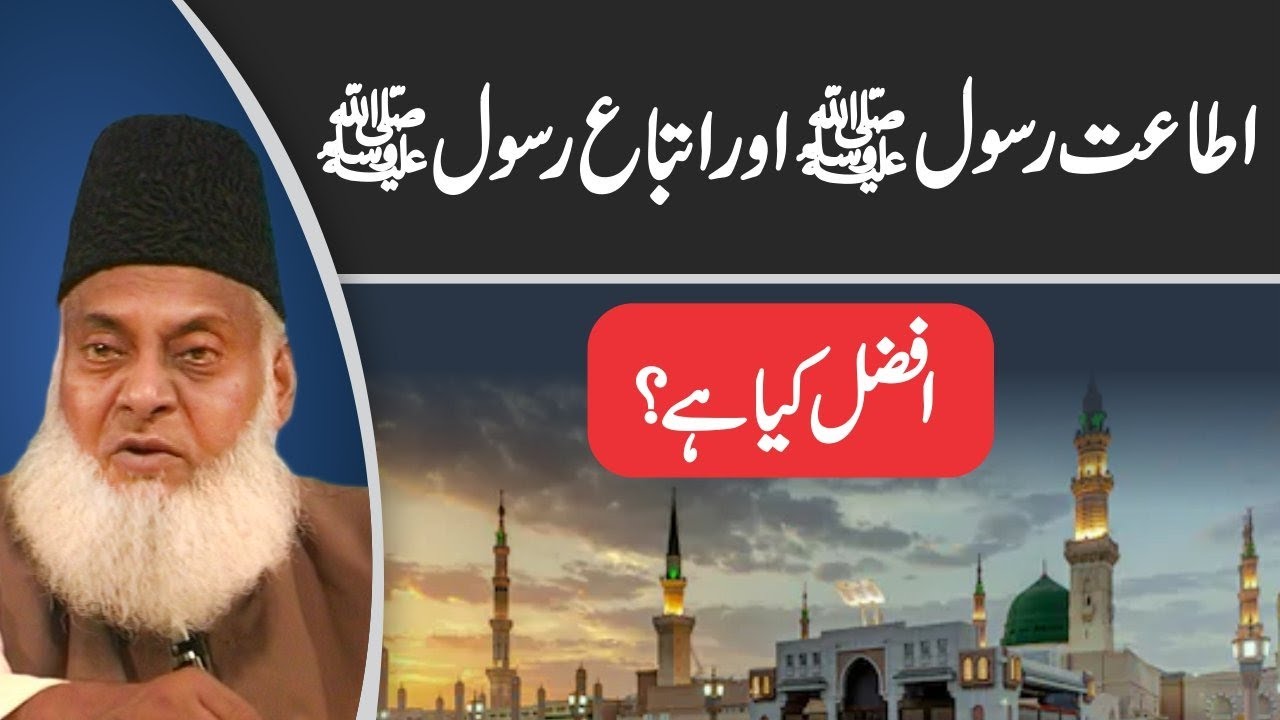
This lecture emphasizes the inseparable link between loving Allah, loving the Prophet Muhammad (peace be upon him), and following his example. True faith requires both emotional devotion and practical obedience. The speaker details the high standard of love and obedience expected of believers, referencing the Prophet’s relationship with companions like Umar Farooq. He distinguishes between mere obedience to commands and complete emulation of the Prophet’s character and actions. The lecture highlights that following the Prophet is the path to earning Allah’s love and forgiveness, even in moments of weakness. It stresses the importance of prioritizing the Prophet's example above all else.
244
