Corti
The lecture clarifies the distinction between being a Muslim—one who outwardly professes the faith—and a *mumin*—a true believer. It explains that merely claiming faith is insufficient; genuine belief requires complete trust in God and His Messenger, coupled with striving in His path with both wealth and life. The speaker references Surah Al-Hujurat, verse 14, highlighting that true faith enters the heart and manifests in dedicated action and sacrifice. A Muslim may adhere to the rituals, but a *mumin* embodies the complete essence of faith through unwavering dedication and continuous struggle for the sake of Allah.

78
The text discusses a moment of widespread questioning and anxiety regarding the Day of Judgement. People are consumed with inquiries about accountability, resurrection, and the recording of every action and word. This collective apprehension is triggered by a startling sound – described as either a thunderclap or the call of a desert guide – which awakens a sense of impending reckoning. The passage highlights humanity's inherent concern with its ultimate fate and the assurance of divine justice.
62
True success isn't found in wealth or power, as exemplified by figures like Qarun, Pharaoh, and Nimrod, who ultimately failed despite their riches and authority. Conversely, Abu Dharr Ghifari, despite his poverty, achieved genuine success. Allah elevates certain individuals to a status where even an unintentional oath is honored. This lecture highlights that real triumph comes from divine favor, not material possessions or worldly influence. The video emphasizes the importance of spiritual elevation and reliance on Allah for achieving lasting success and fulfillment.
59
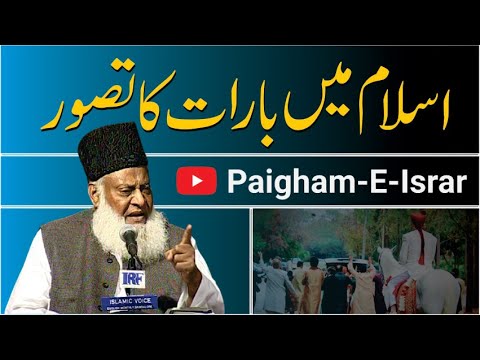
This lecture clarifies that the practice of *barat* (a wedding procession) is not an Islamic tradition. The *nikah* (marriage contract) in Islam is performed in the mosque, without lavish feasts or processions. The historical context reveals that the custom originated from pre-Islamic Hindu traditions, stemming from the need to protect the bride and her dowry during travel between villages. It was a protective measure against bandits, evolving into a large, extravagant procession with feasting and displays of wealth at the groom's home. The example of Prophet Muhammad's daughter, Fatima, demonstrates that even in her marriage to Hazrat Ali, there was no such elaborate procession; rather, a few women accompanied her after the *nikah*. The lecture emphasizes that this practice is a cultural addition, not a religious requirement.
97
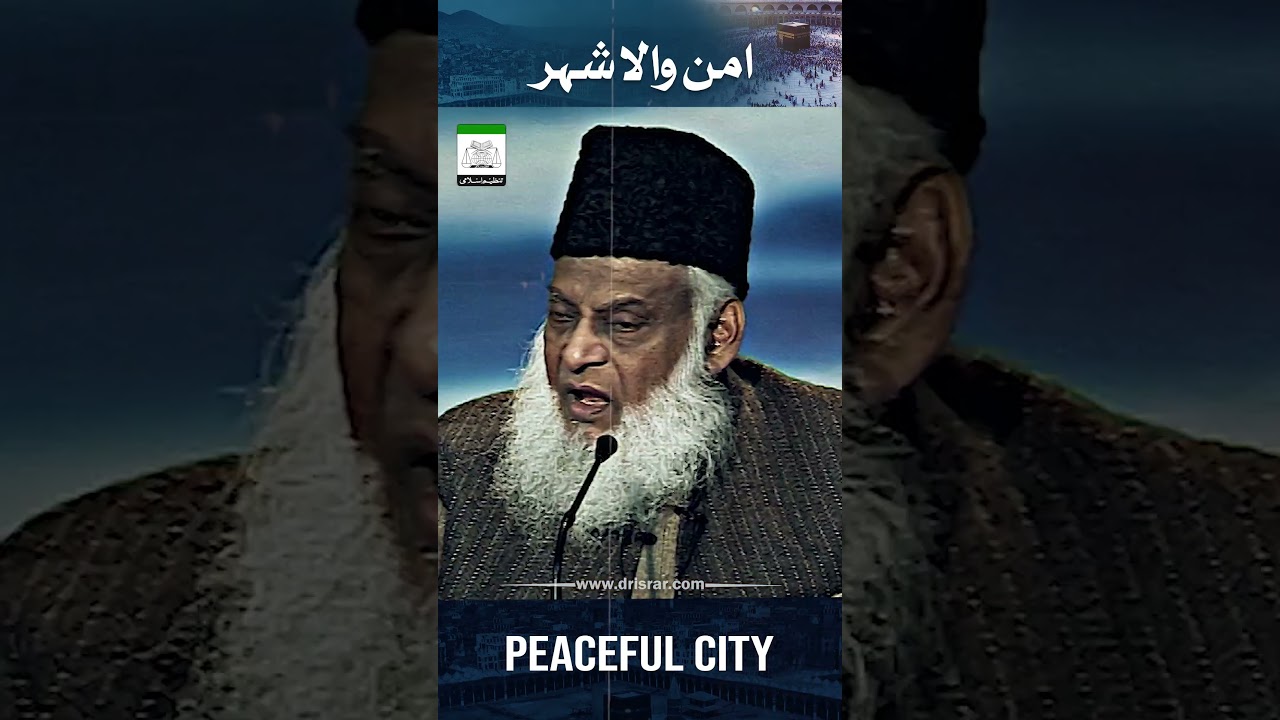
This lecture discusses the unique sanctity of Mecca, highlighting its historical role as a place of peace amidst a turbulent Arab society. Despite centuries of tribal conflict, feuds, and cycles of revenge killings, Mecca’s sacred precinct remained a sanctuary. Even those seeking retribution for deeply personal grievances—like the murder of a father—would refrain from violence within its boundaries. This demonstrates Allah’s provision of security and peace to the city, earning it the title 'City of Peace.' This inherent protection continues to be a defining characteristic of Mecca today.
40
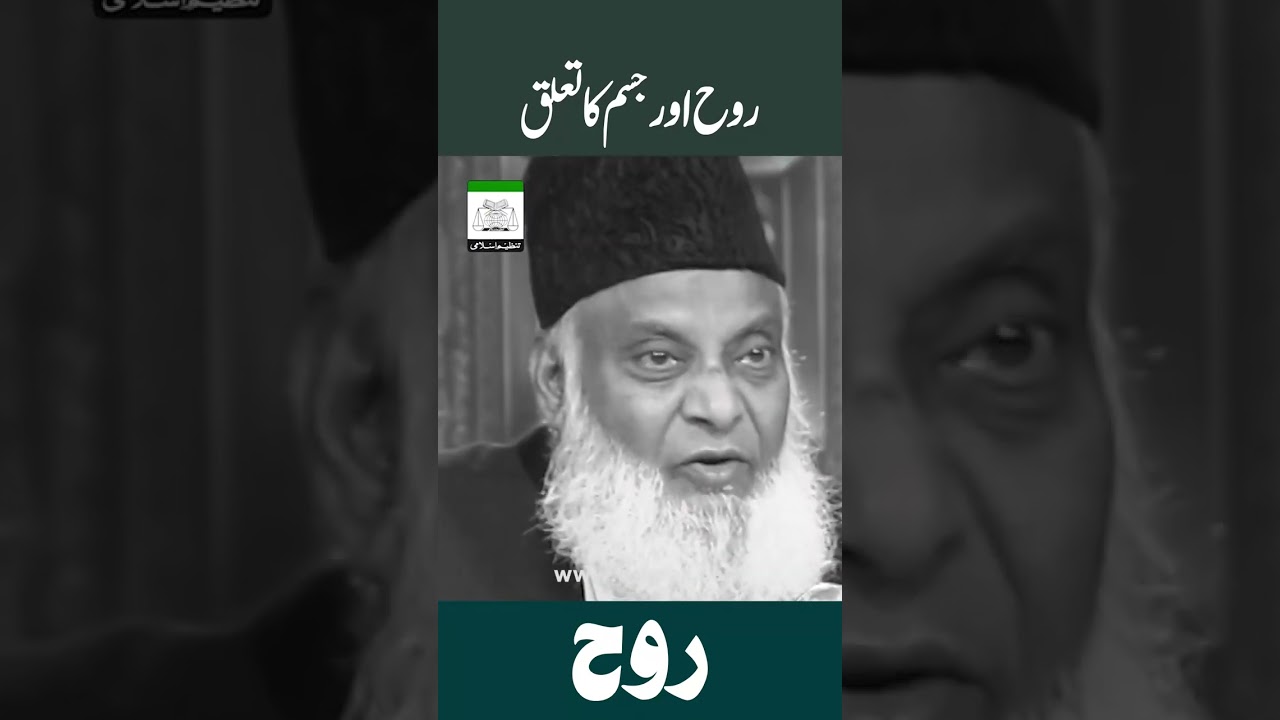
The soul is the center of our existence, distinct from the body. While the body originates from the earth, remains for a time, and ultimately returns to it, the soul is eternal and originates from, and returns to, God. Death involves the separation of the soul from the body; the soul itself does not die but transitions. The act of ‘ قبض’ (taking/receiving) relates to the body, not the soul. The soul’s journey is one of return to its divine source, a concept encapsulated in the phrase ‘Inna lillahi wa ilayhi raji’un.’
63
