Shorts

This lecture details three elements that lead to salvation and three that lead to destruction. Salvation is achieved through fear of God in both private and public, speaking the truth regardless of anger or pleasure, and fulfilling one’s obligations. Destruction stems from following one's desires, excessive love of wealth, and self-admiration. Self-regard is presented as the most dangerous of these destructive traits, hindering spiritual progress and distancing one from divine guidance.

66

Humanity has descended to an animalistic level, disconnecting from its inherent spiritual nature. Individuals have ceased to perceive, reflect, and truly listen, relying instead on base instincts. While endowed with a divine spark and soul, modern humans, particularly influenced by Darwinian thought, now identify solely with their biological existence. This ideology, initially confined to biology and largely discredited there, has permeated the social sciences, leading to a loss of awareness of the divine element within. This lecture explores the consequences of this spiritual decline and the importance of reclaiming our inherent humanity.
60

This lecture clarifies the distinction between *qayamat* (the Day of Judgement) and *akhirat* (the afterlife). *Qayamat* refers to the specific moment of the world’s destruction and the ensuing upheaval, marked by cosmic disturbances and widespread devastation. It is the hour of immense tribulation and accountability. *Akhirat*, however, denotes the resurrected existence after death, the day people will stand before God for judgment. The lecture emphasizes that while commonly used interchangeably, these terms represent distinct phases in the final reckoning. *Qayamat* is the cataclysmic event; *akhirat* is the eternal life following it, characterized by standing before God for accountability.
62
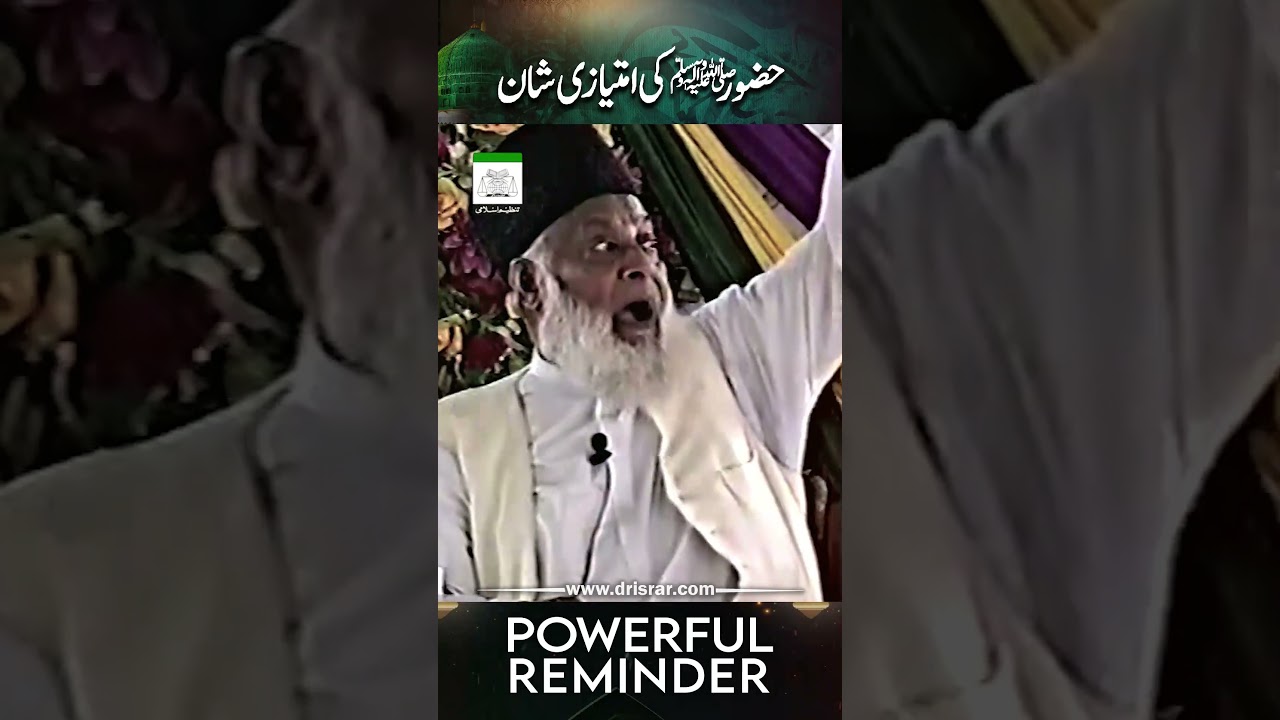
The Prophet Muhammad (peace be upon him) is the final messenger of God, sent as a blessing to all of humanity. Unlike previous prophets who were sent to specific nations, his message is universal. He was sent not merely as a source of mercy for one people, but as a source of mercy for the entire world. He was sent as both a bearer of glad tidings and a warner for all humankind. This lecture details this universal aspect of the Prophet's mission, differentiating it from the missions of previous prophets.
64
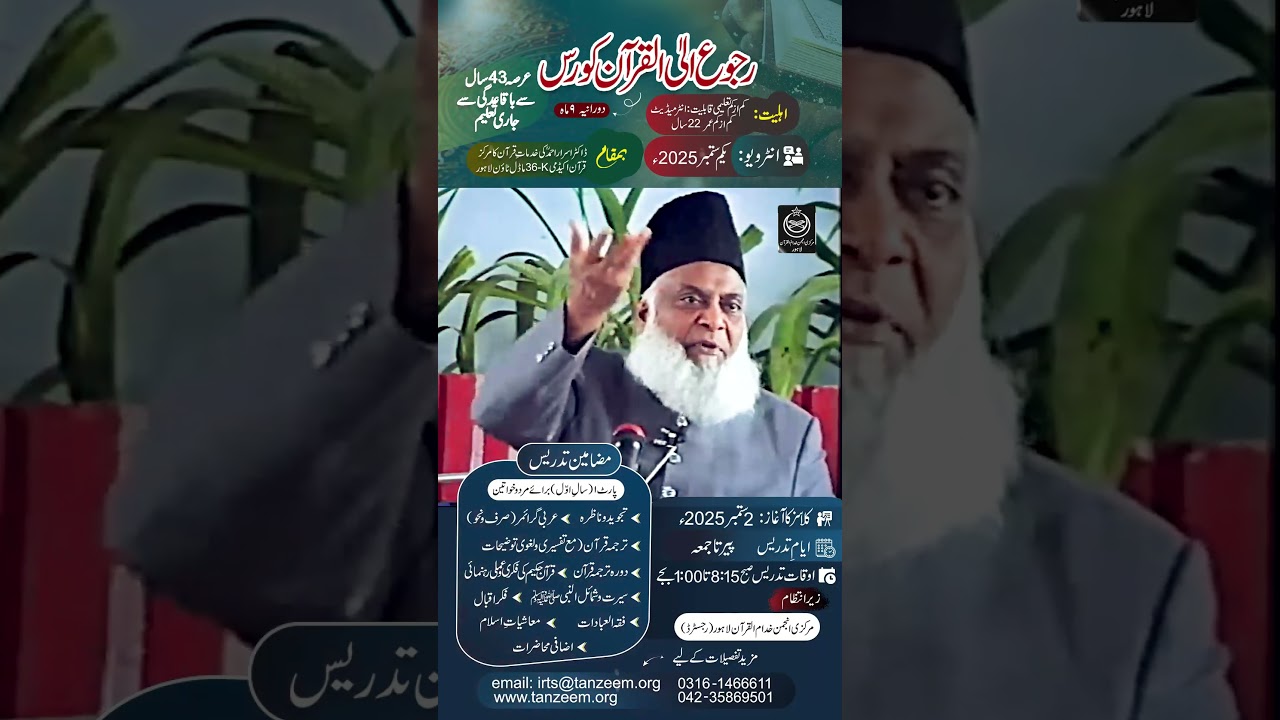
This lecture emphasizes the necessity of personal repentance (tawbah) and its expansion into a collective movement. It urges listeners to prioritize learning Arabic to properly understand and convey the Quran, as the primary medium for inviting others to the faith. The speaker stresses the urgency of life, the potential for unforeseen circumstances, and the importance of dedicating time to religious education and the preparation of a dedicated group (da'i) committed to spreading the message of Islam. He shares his life's dedication to Quranic study, teaching, and the organization of a committed group, viewing this as a vital struggle for the faith. The ultimate goal is the growth of a movement devoted to upholding and propagating Islamic principles.
62
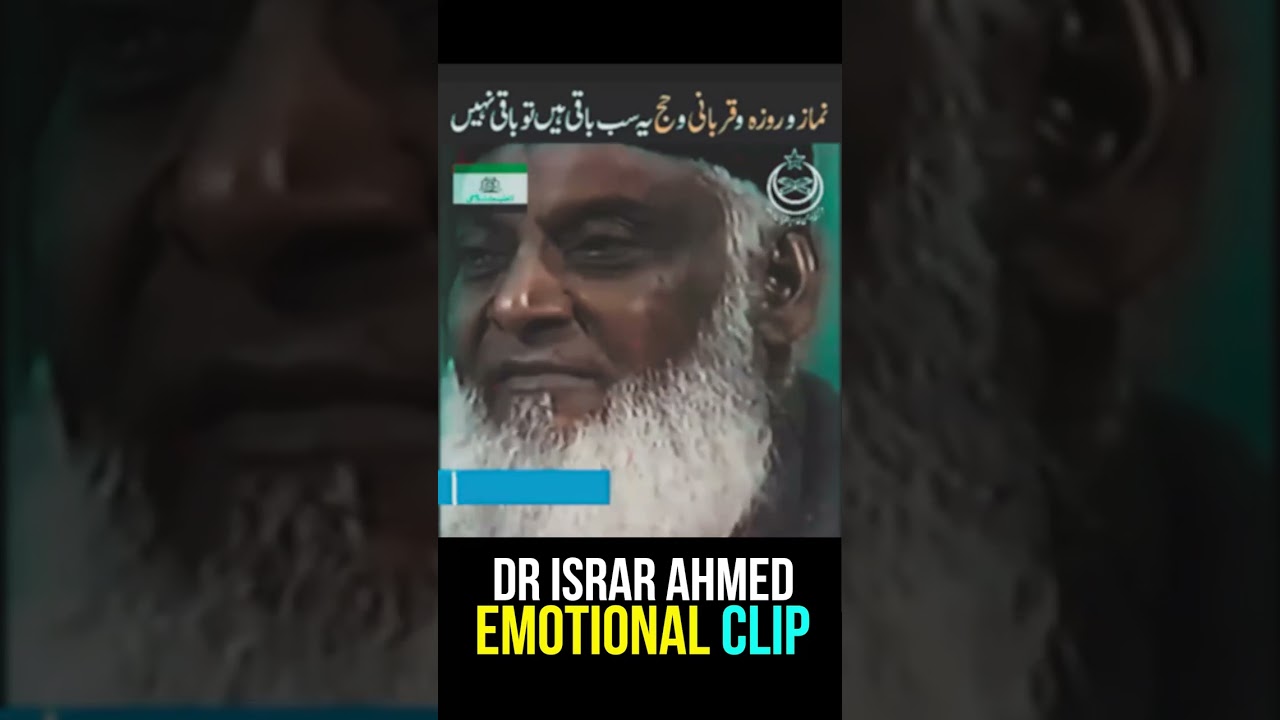
This lecture discusses the diminishing spiritual impact of rituals like mourning ceremonies, prayer, fasting, sacrifice, and pilgrimage. It argues that mere performance of these acts, without genuine inner transformation, yields no societal benefit. The speaker contends that individuals often return from these practices unchanged, even emboldened to sin, perceiving them as a license for future transgressions. True spiritual benefit requires a profound personal change, not simply the outward completion of religious duties. The speaker emphasizes the lack of positive impact on society despite large numbers participating in religious observances.
46
