短裤
This lecture details three elements that lead to salvation and three that lead to destruction. Salvation is achieved through fear of God in both private and public, speaking the truth regardless of anger or pleasure, and fulfilling one’s obligations. Destruction stems from following one's desires, excessive love of wealth, and self-admiration. Self-regard is presented as the most dangerous of these destructive traits, hindering spiritual progress and distancing one from divine guidance.

66
This lecture discusses the Islamic perspective on charitable giving and the rights of heirs. A companion of the Prophet Muhammad (peace be upon him) inquired about donating all his wealth for the sake of Allah. The Prophet advised against leaving heirs destitute, emphasizing their rightful share. The companion then proposed donating half, then a third, with the Prophet accepting the one-third contribution as appropriate. This highlights a balanced approach to charity, respecting both the act of giving and the welfare of one’s family.
64
The company of those possessing a strong conviction in faith naturally imparts that conviction to others. This is a natural phenomenon, similar to how heat radiates from a furnace or cold emanates from ice. Just as sitting near a furnace brings warmth without effort, associating with people of certainty cultivates faith within oneself. This process of acquiring conviction occurs passively through companionship, mirroring the principle that love begets love. The effect of being around those with strong faith is that it strengthens one's own belief.
64
Many people follow religious scholars, and had these scholars guided the nation correctly, the current system would not have persisted. These scholars wasted their influence by participating in political games, shifting alliances and constantly changing sides. This pursuit consumed valuable time that could have benefited the nation. Furthermore, even sincere scholars, when demanding change, have focused on Islamic law, not a complete Islamic system.
62
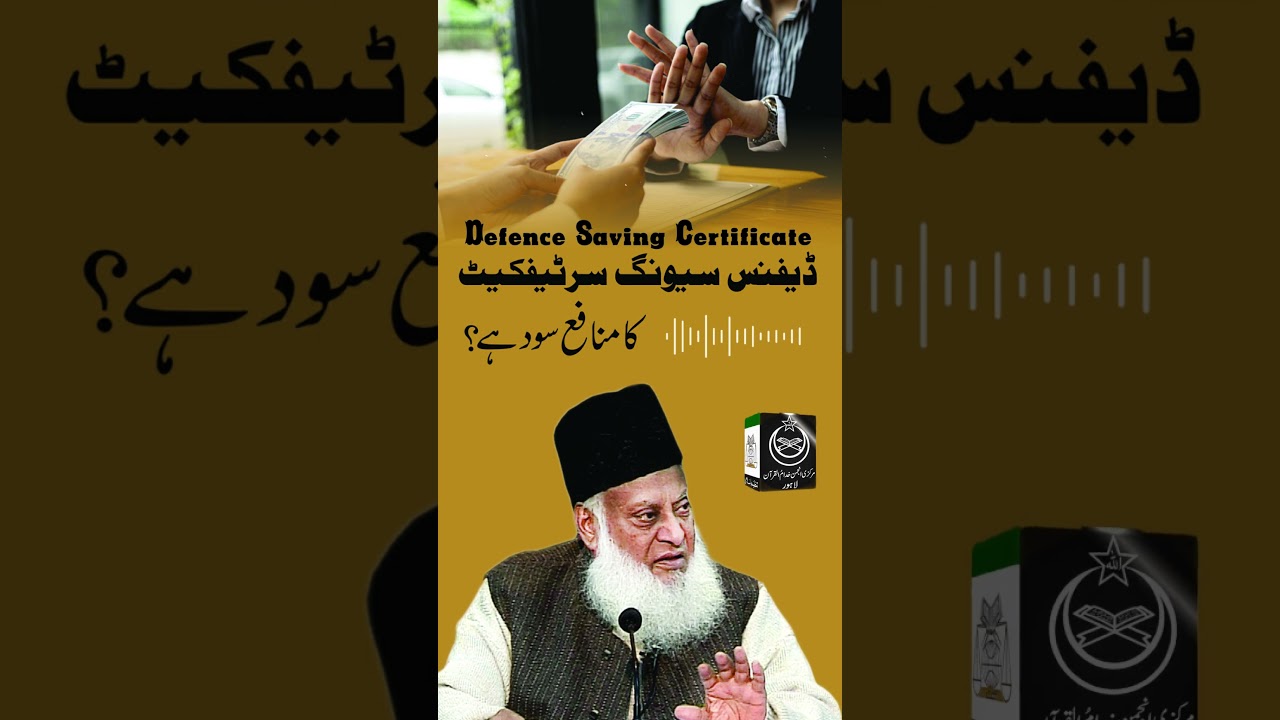
Many of Dr. Israr Ahmad’s educated friends and acquaintances advised him to deposit his retirement funds in fixed-rate Defense Savings Certificates, believing it to be the most beneficial solution. He disagreed. This lecture explains the impermissibility of interest, even when deposited in seemingly permissible schemes. They have fixed their money and are consuming the profit, believing it to be permissible, which he identifies as a significant error. The profit derived is direct interest – *haram* – and not a permissible form of trade or investment.
60
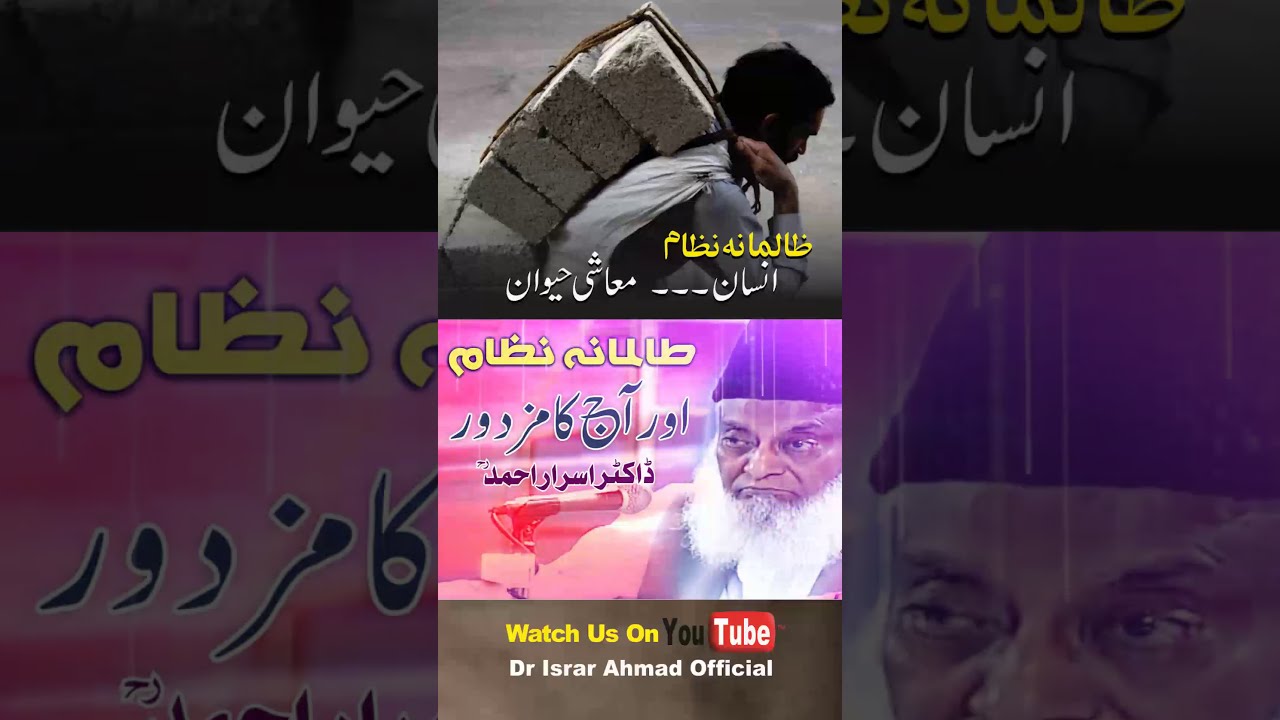
This lecture addresses the plight of the impoverished, highlighting the harsh realities faced by those struggling to meet basic needs. It emphasizes that individuals preoccupied with daily survival – those who cannot consistently secure even two meals a day and labor for ten to twelve hours – are deprived of the capacity for spiritual contemplation. The speaker asserts that systemic poverty degrades humanity, reducing individuals to a bestial existence, akin to livestock. This degradation strips them of their dignity and their ability to connect with the divine.
1,424
