Calção
This lecture details three elements that lead to salvation and three that lead to destruction. Salvation is achieved through fear of God in both private and public, speaking the truth regardless of anger or pleasure, and fulfilling one’s obligations. Destruction stems from following one's desires, excessive love of wealth, and self-admiration. Self-regard is presented as the most dangerous of these destructive traits, hindering spiritual progress and distancing one from divine guidance.

66
This lecture clarifies the true meaning of ‘Uswa-e-Hasana’ (the excellent example) as revealed in the Quran, specifically during the Battle of the Trenches. It moves beyond superficial interpretations like simply growing one's beard or raising trousers above the ankles. The core of the prophetic example lies in actively confronting falsehood, even at the cost of life and possessions. True adherence to the Prophet's way is demonstrated through unwavering struggle against evil, not merely through ritualistic observance of religious practices while remaining complacent in the face of injustice. It challenges the notion of a comfortable faith and emphasizes the proactive struggle against falsehood as the essence of the prophetic example.
97
True piety (taqwa) isn't about outward appearances or rituals, but an internal state of consciousness and unwavering faith. It’s a complete immersion of one's personality in the principles of divine guidance. Genuine piety manifests as a consistent effort to please God and avoid disobedience, permeating the entire being with a distinct spiritual color. It resides in the heart and is intrinsically linked to faith. The Prophet Muhammad (peace be upon him) repeatedly pointed to his chest to emphasize that piety dwells within the heart, not in external displays.
41
The lecture clarifies that elections are a mechanism for operating a system, not for changing it. Participation in elections does not challenge the existing framework but functions within it. The speaker emphasizes that elections serve to run a system, rather than to fundamentally alter it, drawing a distinction between operational participation and systemic change.
118
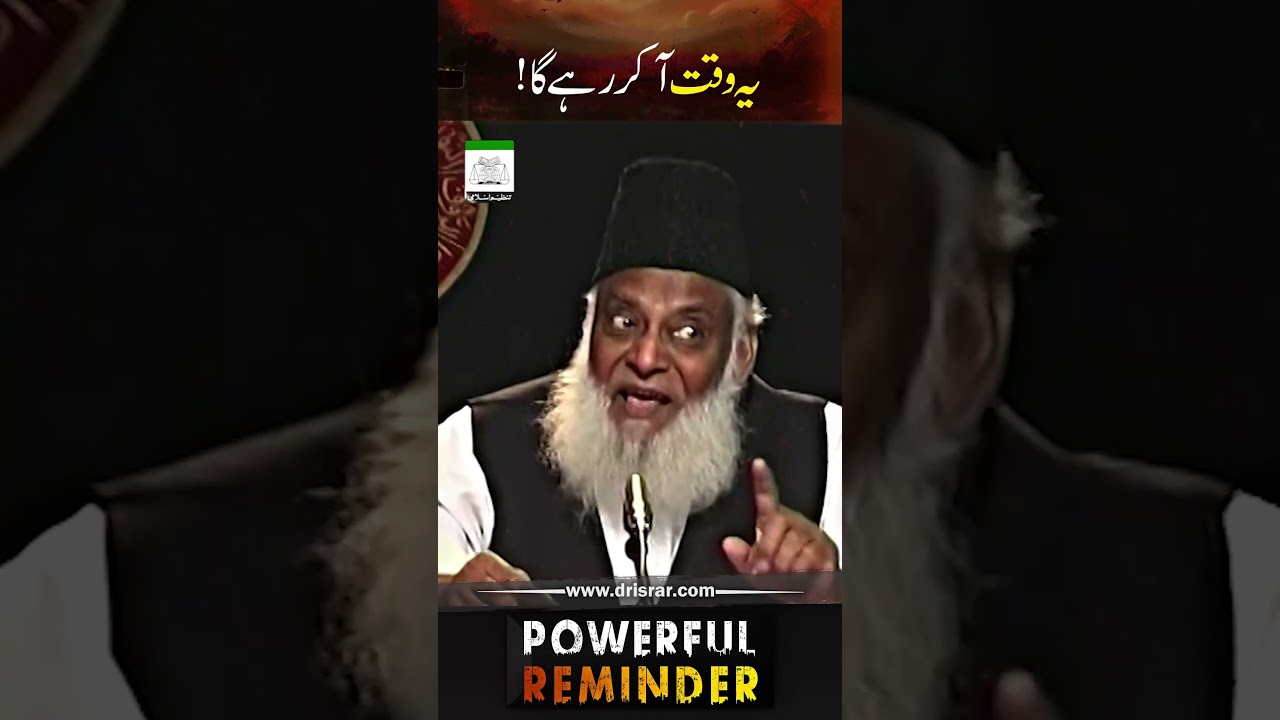
This lecture details the inevitable arrival of the final hour, a cataclysmic event preceding the Day of Resurrection. It describes a complete transformation of the world, where mountains will crumble and all structures will be reduced to dust. This event, distinct from the Resurrection itself, is a prelude to a time of reckoning where all individuals will be resurrected from their graves, or wherever their remains lie, to face judgment. The speaker emphasizes this hour as a complete annihilation followed by a subsequent resurrection and accountability.
50
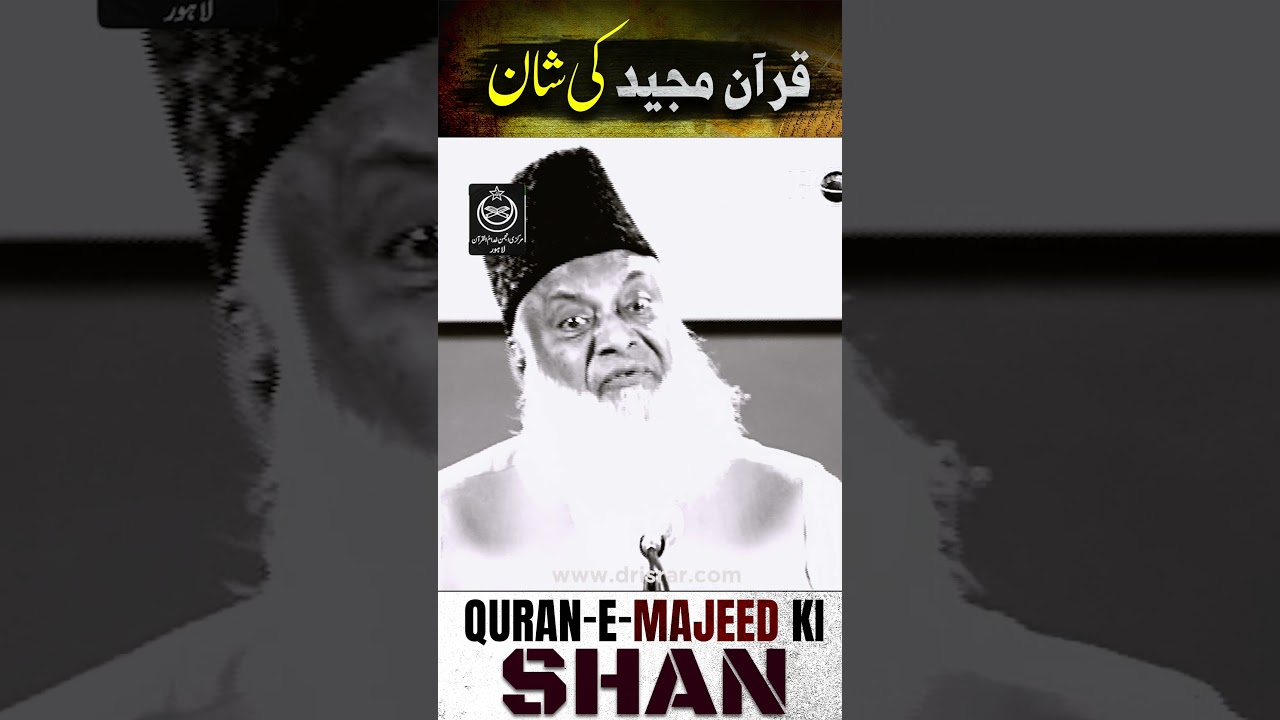
This lecture elucidates the profound depth of Ghalib’s poetry, asserting it transcends mere artistic expression to become a vessel of divine communication. The speaker argues that each word chosen by Ghalib is deliberate and laden with meaning, functioning as a key to unlocking a treasury of wisdom. He draws parallels between Ghalib's verses and the Quran, emphasizing the significance of every letter and its connection to knowledge, philosophy, and spiritual insight. Ghalib’s poetry is presented not as exaggeration, but as a carefully constructed system of symbolic representation, revealing layers of hidden truths and divine guidance.
64
