Shorts
Human beings inherently seek to reassure their conscience, even those seemingly immersed in wrongdoing. This lecture explores the universal need to perform some act of goodness, offering a psychological solace amidst a life potentially dominated by negativity. The poet’s verse highlights how a continuous self-deception—finding justification in minor acts while overlooking greater failings—is essential for sustaining life, allowing individuals to cope with their inherent imperfections. The pursuit of goodness, however small, serves as a vital mechanism for maintaining psychological equilibrium.

69
This lecture addresses the issue of a widow relying on interest income for her children's upbringing and explores permissible alternatives. It emphasizes avoiding *haram* (forbidden) earnings, even in dire circumstances, and suggests seeking lawful means of income like home-based work, such as sewing. The speaker clarifies that while permissible in extreme need to survive, interest is generally not justifiable. He highlights that true sustenance comes from Allah and encourages reliance on Him while pursuing *halal* (lawful) earnings.
66
A traveler in the desert loses his camel, carrying all his provisions and means of transport. After a desperate search, he encounters death itself. Overwhelmed with relief, he proclaims gratitude to God for this encounter, recognizing his own insignificance and God’s grace. This parable illustrates the immense joy God feels when a sinful servant repents, exceeding even the joy experienced by the traveler at finding ‘death’.
57

This lecture addresses the proper way to assist individuals trapped in debt or facing business failure. It emphasizes empowering them to regain financial independence, rather than providing perpetual financial support which perpetuates their dependency. The speaker advocates for strategic assistance that enables individuals to rebuild their lives and become self-sufficient members of the community, particularly within minority groups. The focus is on enabling sustainable recovery, not simply maintaining a state of need.
43
This lecture emphasizes that success and overcoming challenges are only possible with the support of a divine force. It addresses the reasons for national decline and the imposition of external policies, asserting that true independence requires alignment with a higher power. The speaker warns against allowing external entities like the IMF and World Bank to dictate national fate, highlighting the need for policies rooted in faith and divine guidance. Without divine support, the nation risks continued subjugation and the loss of control over its own destiny.
88
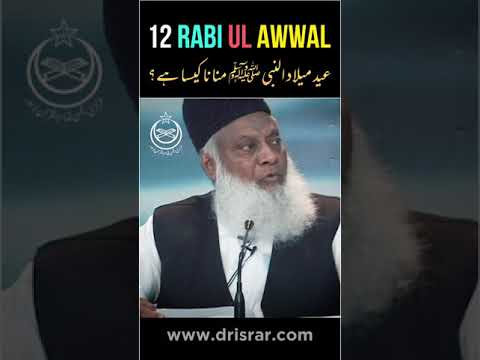
The speaker addresses the issue of innovation in religious practice (bid’ah) versus adherence to the Sunnah. He critiques the performance of rituals without understanding or intention, specifically highlighting the decline in the proper observance of funeral prayers and supplications. He argues that many practices have deviated from the Prophet’s teachings and the example of the Companions, leading to a superficiality in worship and a loss of spiritual benefit. The speaker emphasizes that actions performed without divine command are unacceptable and warns against the dangers of adding to religious practices beyond what was prescribed.
47
