Shorts
Dr. Israr Ahmad discusses the differences between Christian and Islamic marriage ceremonies. He highlights that in Christian weddings, the bride and groom stand face-to-face before the priest, openly professing their acceptance of each other. This contrasts with the Islamic practice where the bride and groom often remain somewhat secluded during the Nikah. He observes the respect afforded to the church and the priest within the Christian tradition, and contrasts this with the often-devalued position of the Imam or Nikah officiant in some Muslim communities. The lecture emphasizes the importance of dignity and reverence in religious practices.

69
This lecture explores the concept of free will and its implications. Humans experience freedom in this world, but are accountable for their actions. The material laws of this world do not immediately punish wrongdoing, creating a false sense of impunity. However, the ultimate return is to God, where every deed, no matter how small, will be accounted for. Those who perform even a speck of good will find it before them, and those who commit even a speck of evil will also face its consequences. This emphasizes divine accountability and the importance of righteous conduct despite the apparent lack of immediate consequences.
55
Life is a continuous test of both human nature and intellect. Recognizing God is the initial trial, followed by steadfastness in obedience. True belief necessitates complete adherence to divine commands and abstinence from prohibitions, even in the face of adversity. This principle of unwavering commitment has been a constant throughout history, exemplified by the trials faced by prophets like Ibrahim. God consistently tests those who come before us, and remembering these trials offers guidance and strength.
53
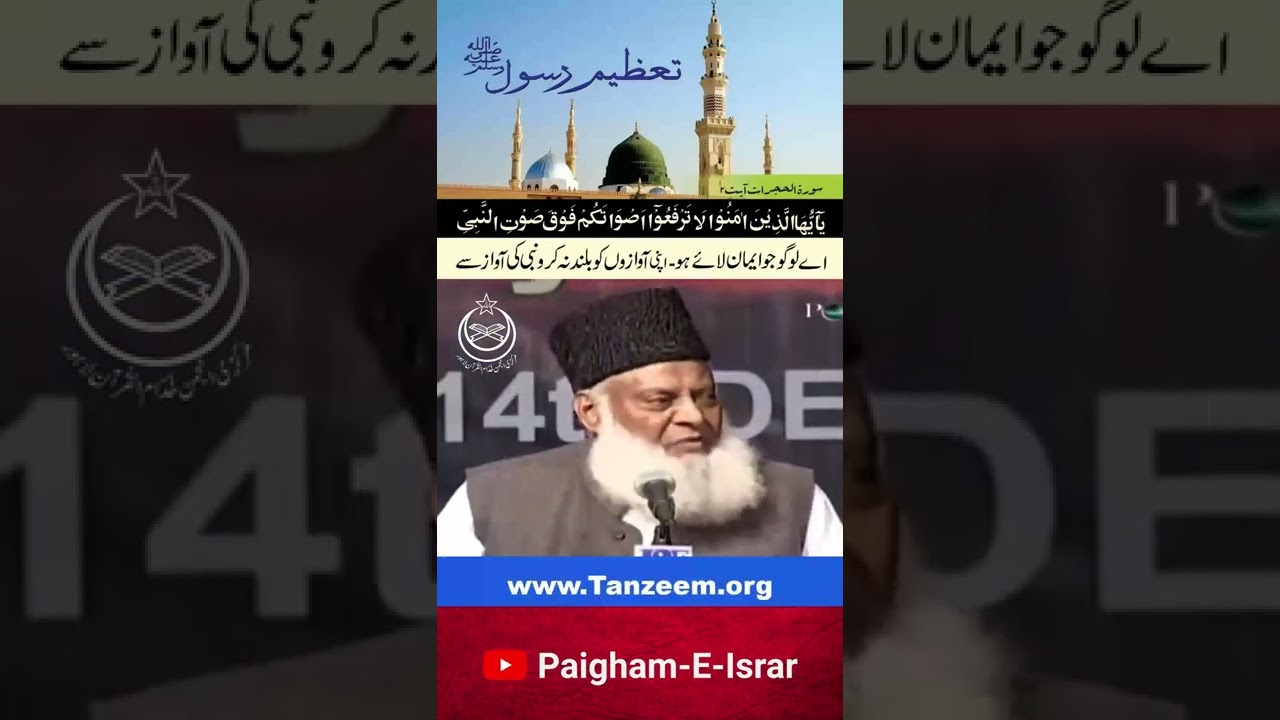
This lecture emphasizes the importance of respectful communication. It cautions against raising voices above the Prophet Muhammad’s, discourages boisterous or disrespectful dialogue, and warns that a lack of decorum can lead to the complete loss of influence and effectiveness, leaving one unaware of the damage caused. Maintaining respectful speech is crucial for preserving dignity and achieving positive outcomes in all interactions.
64
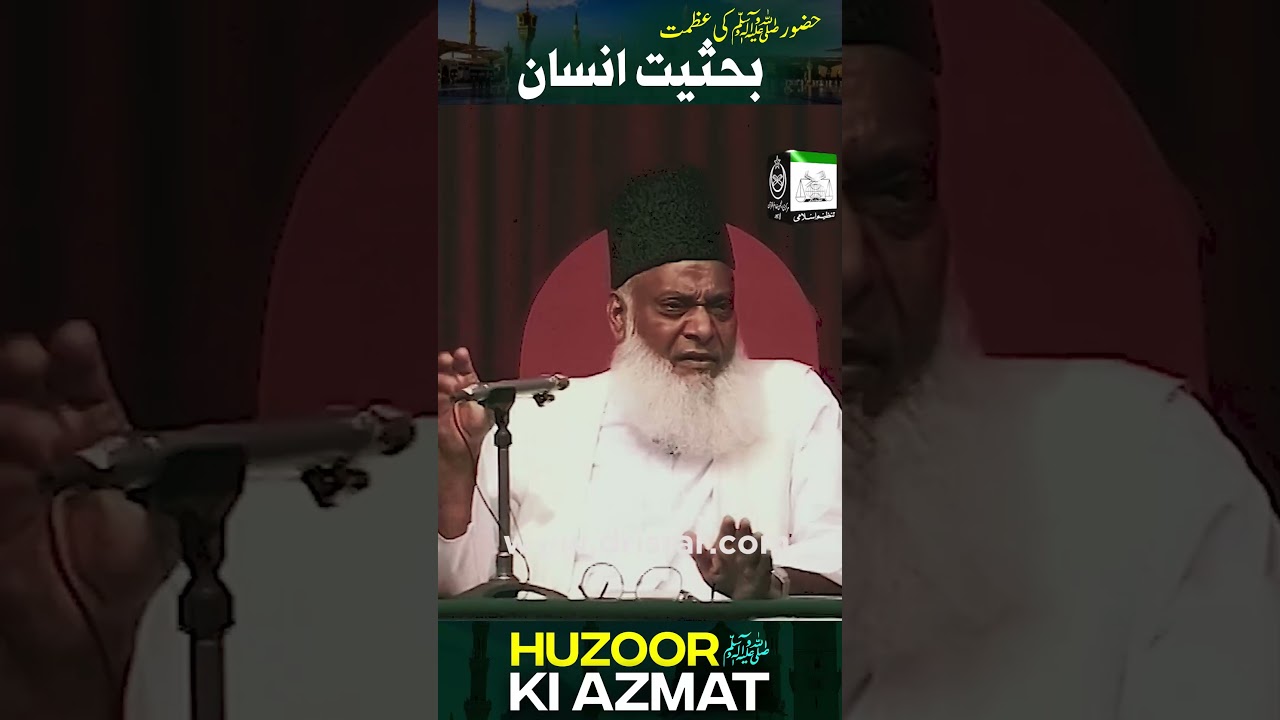
This lecture explores the multifaceted greatness of the Prophet Muhammad (peace be upon him). It highlights his exceptional qualities not merely as a human being, but also as a strategic leader and diplomat. The discussion focuses on his unparalleled skill in military strategy, despite never personally participating in battle, and his mastery of negotiation and conflict resolution. The lecture details his ability to forge alliances and unite diverse groups, exemplified by the agreements he established in Medina and previously in Yathrib, demonstrating his profound leadership and wisdom.
81
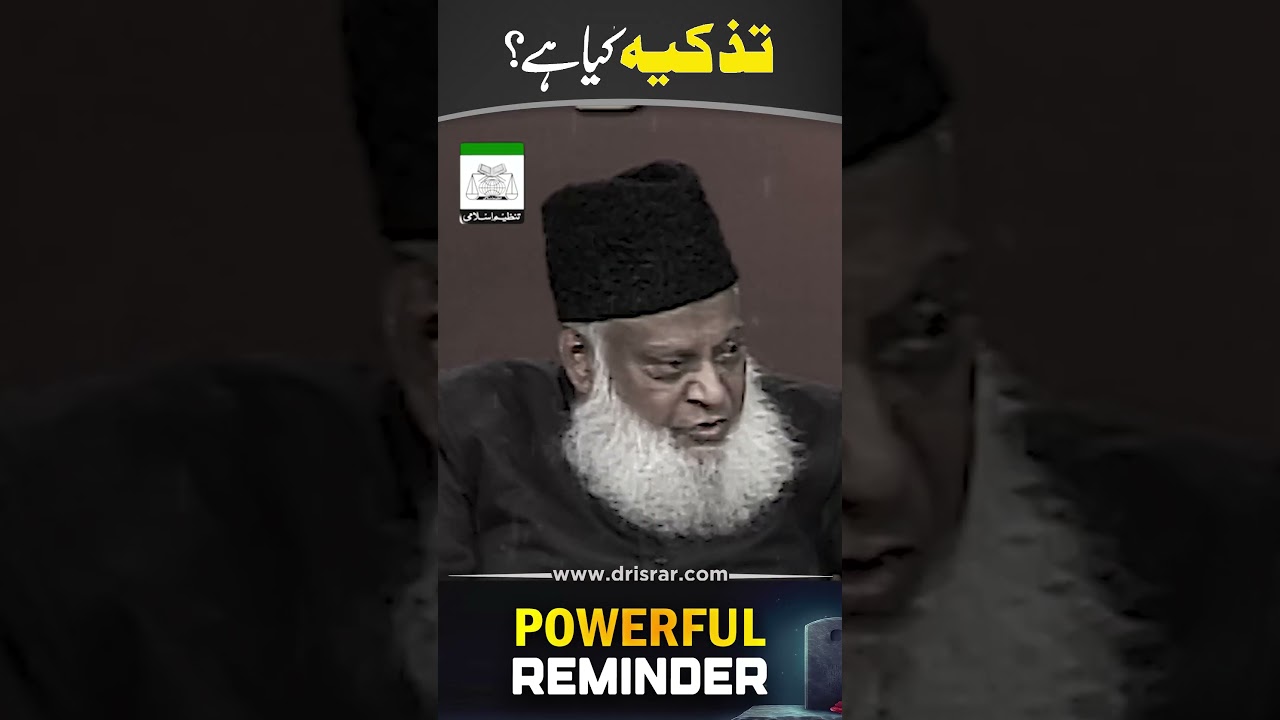
This lecture explains the process of self-purification (Tazkiya-e-Nafs) using the analogy of a gardener tending to a garden. Just as weeds hinder the growth of plants by consuming vital nutrients and water, negative traits and obstacles impede human spiritual development. The gardener actively removes these impediments to allow the desired plants to flourish. Similarly, Tazkiya involves identifying and eliminating the internal barriers that prevent true growth and realizing one’s potential. This process is essential for achieving genuine spiritual progress.
85
