Calção
Dr. Israr Ahmad discusses the differences between Christian and Islamic marriage ceremonies. He highlights that in Christian weddings, the bride and groom stand face-to-face before the priest, openly professing their acceptance of each other. This contrasts with the Islamic practice where the bride and groom often remain somewhat secluded during the Nikah. He observes the respect afforded to the church and the priest within the Christian tradition, and contrasts this with the often-devalued position of the Imam or Nikah officiant in some Muslim communities. The lecture emphasizes the importance of dignity and reverence in religious practices.

69
This lecture explores the boundless power and knowledge of Allah. It emphasizes humanity's limited capacity to fully comprehend divine attributes. The speaker highlights the vastness of creation, from the Earth to the galaxies, and how our understanding falls short. The discussion centers on recognizing Allah’s absolute power while acknowledging the limits of human perception and intellect. It asserts that while we cannot measure Allah’s attributes, we can perceive His signs and become grateful worshippers. The lecture underscores the importance of acknowledging Allah’s greatness and submitting to His will.
60
This lecture emphasizes a direct relationship with God, negating the need for intermediaries. It highlights the importance of constant remembrance and sincere connection through reflection and contemplation. The speaker stresses that God is always accessible and responsive to those who earnestly seek Him. The lecture encourages listeners to move beyond ritualistic practices and cultivate a deep, personal connection with the Divine. It urges constant awareness of God’s presence in every moment, emphasizing that every moment could be one’s last. The speaker draws a parallel to Iqbal's philosophy, advocating for the removal of barriers between the Creator and creation and urging a direct connection unmediated by dogma or external structures.
43
The speaker emphasizes the importance of self-accountability and inviting others to righteousness. He argues that while avoiding criticism is acceptable in personal agreements, actively promoting good deeds opens one's character to scrutiny, which is ultimately beneficial. He suggests that actively engaging in *dawat* (inviting to the right path) necessitates a willingness to examine one's own conduct. Avoiding self-reflection and failing to address personal flaws creates a hypocrisy that will be noted by others. The speaker also highlights that mutual silence regarding wrongdoing, though convenient, does not foster genuine improvement.
59
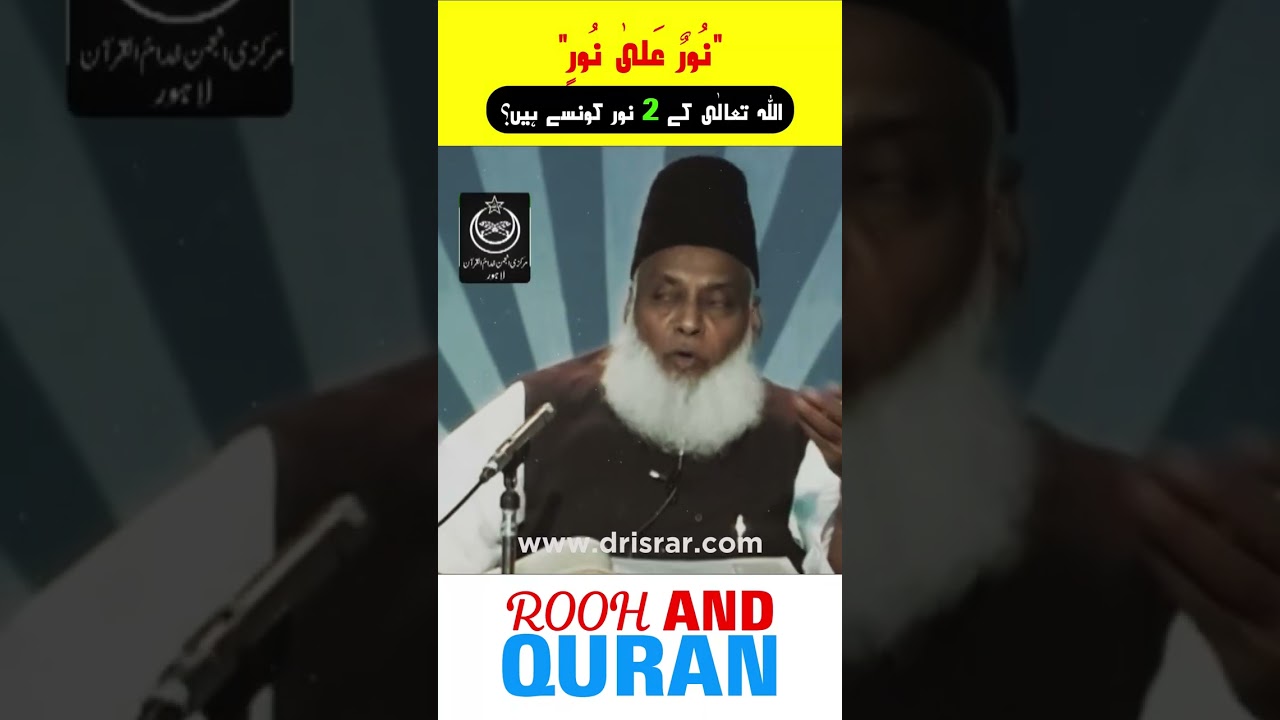
This lecture explores the concept of *noor* (light) as inherent within the human heart and soul, predating the revelation of the Quran. The Quranic light, upon its descent, awakens and activates this pre-existing inner illumination. This process is exemplified in the Prophet Muhammad’s life, where the Quran served as a catalyst for his inherent spiritual capacity. The Quran is presented as a divine guide, empowering the Prophet to lead humanity towards righteousness. The lecture emphasizes the transformative power of the Quran in illuminating the inner self and guiding others towards the straight path.
59
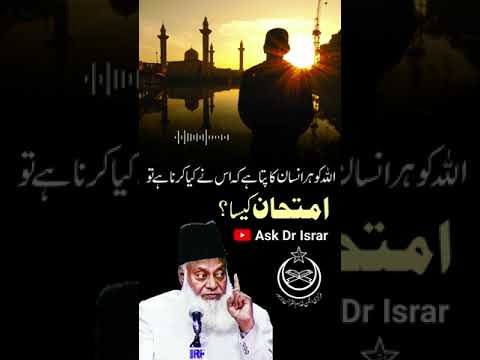
God’s knowledge of human actions does not negate the necessity of trials. Trials serve a dual purpose: to reveal to God what individuals will do, and to make individuals consciously aware of their own deeds. This record, maintained by angels, will be presented to each person, demanding proof of their actions. God isn't testing out of ignorance, but to establish proof of worth. The ultimate purpose is to demonstrate one’s value and determine their standing and rank in God’s eyes. This process emphasizes the importance of proving oneself and earning one's rightful place.
61
