Shorts

Early Arabs primarily believed in Allah, though they also worshipped various deities and idols. They believed these idols would intercede on their behalf in the afterlife. While many acknowledged the existence of the afterlife, they struggled to reconcile the concept of resurrection with the physical decay of the body. Some believed their deities would protect them, reflecting a complex blend of monotheistic and polytheistic beliefs. This lecture explores the nuances of their faith and understanding of the divine and the hereafter.

35

This lecture emphasizes the immense disgrace of the Hereafter compared to worldly humiliation. It stresses the importance of seeking refuge with Allah from both, highlighting that the exposure of sins before all of creation will be a severe reckoning. The speaker urges consistent supplication to Allah for protection from disgrace in this world and the next, requesting His covering mercy and concealment.
70

True piety (taqwa) isn't about outward appearances or rituals, but an internal state of consciousness and unwavering faith. It’s a complete immersion of one's personality in the principles of divine guidance. Genuine piety manifests as a consistent effort to please God and avoid disobedience, permeating the entire being with a distinct spiritual color. It resides in the heart and is intrinsically linked to faith. The Prophet Muhammad (peace be upon him) repeatedly pointed to his chest to emphasize that piety dwells within the heart, not in external displays.
41

The core concept of *La Ilaha Illallah* is the absolute Oneness of God. It signifies that there is no deity worthy of worship except Allah. This declaration demands complete devotion and the recognition of Allah as the sole object of love, desire, and worship. True *Tawhid* (Oneness of God) necessitates that all other loves and desires are subordinate to the love of Allah, leaving no independent beloved except Him. The essence of *Tawhid* lies in recognizing Allah as the only true and ultimate beloved, stripping away all other competing affections.
87

God dispatched messengers with clear miracles and revealed scriptures, including the ‘Mizan’ (scale of justice), to establish justice among people. The purpose of prophets, messengers, and the revelation of books is fundamentally to guide humanity toward equitable conduct and a just society. This lecture explores the divine rationale behind these actions and their impact on human existence.
44
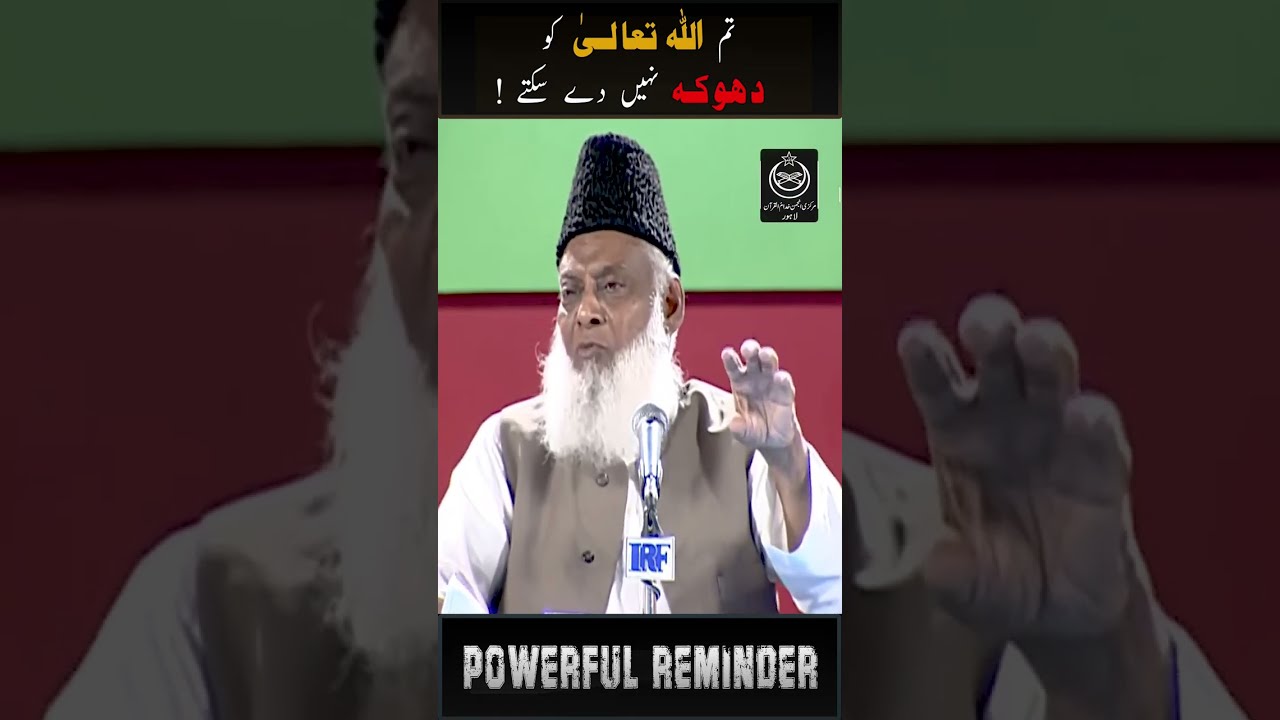
Partial obedience is unacceptable; complete submission to divine commands is required. Selectively following religious dictates, driven by personal inclination, renders all obedience void. The Quran warns against accepting some scriptures while rejecting others, leading to disgrace in this life and severe punishment in the hereafter. Allah sees beyond superficial displays of piety and judges intentions. True devotion requires sincere faith and righteous actions, not merely outward rituals performed with ill-gotten gains. This lecture emphasizes the importance of wholehearted commitment to faith and the consequences of hypocrisy.
51
