Celana pendek
Early Arabs primarily believed in Allah, though they also worshipped various deities and idols. They believed these idols would intercede on their behalf in the afterlife. While many acknowledged the existence of the afterlife, they struggled to reconcile the concept of resurrection with the physical decay of the body. Some believed their deities would protect them, reflecting a complex blend of monotheistic and polytheistic beliefs. This lecture explores the nuances of their faith and understanding of the divine and the hereafter.

35
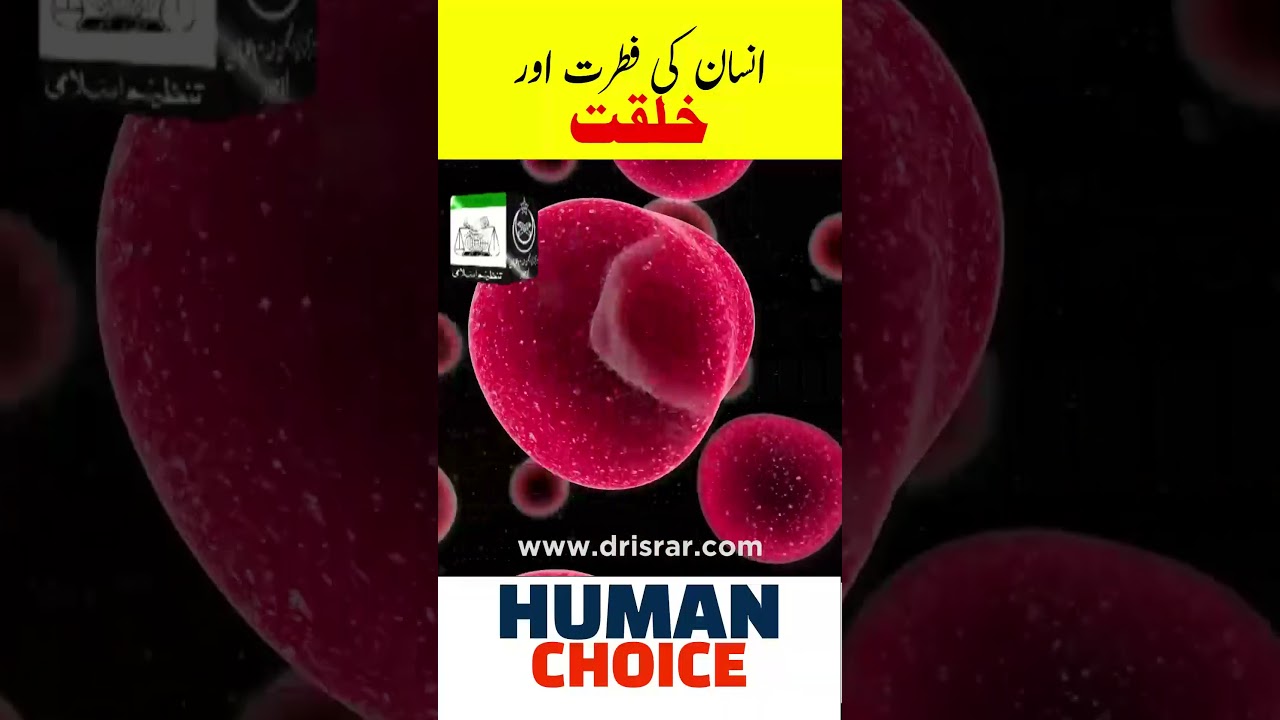
Human life begins with a unique creation, possessing inherent vitality from conception. Even before fertilization, both sperm and ovum exhibit life. All characteristics of life are present in the developing embryo. The embryo is a living organism, not an inanimate object. A crucial stage arrives approximately 120 days after conception. Prior to this, the creation is linked to four specific elements detailed in religious texts. The spirit, or soul, is infused into the embryo after this 120-day period, encompassing and permeating its very being.
58
This lecture emphasizes the importance of self-assessment and maximizing one’s potential. It asserts that individuals often underestimate their capabilities and fail to fully utilize their inherent talents. The speaker stresses that true potential cannot be determined without diligent effort and self-exploration. Responsibility for unrealized potential lies with the individual. While humans readily exert themselves for worldly pursuits, they frequently lack the same dedication to spiritual growth, resulting in a decline in faith. Genuine progress requires relentless effort and honesty with oneself; self-deception yields no benefit. The lecture calls for greater dedication to spiritual development than is given to material gains.
51
The speaker asserts that citizens have a right to strive for systemic change, differentiating between opposition to the state and opposition to the government. He identifies elections and peaceful agitation as the two primary means of achieving this change. He contends that elections alone are insufficient, as they merely replace faces within the existing socio-economic structure. True change necessitates agitation led by individuals who have first established righteous conduct in their own lives. The speaker emphasizes the importance of peaceful protest, devoid of violence or property damage, and a willingness to sacrifice for the cause.
53
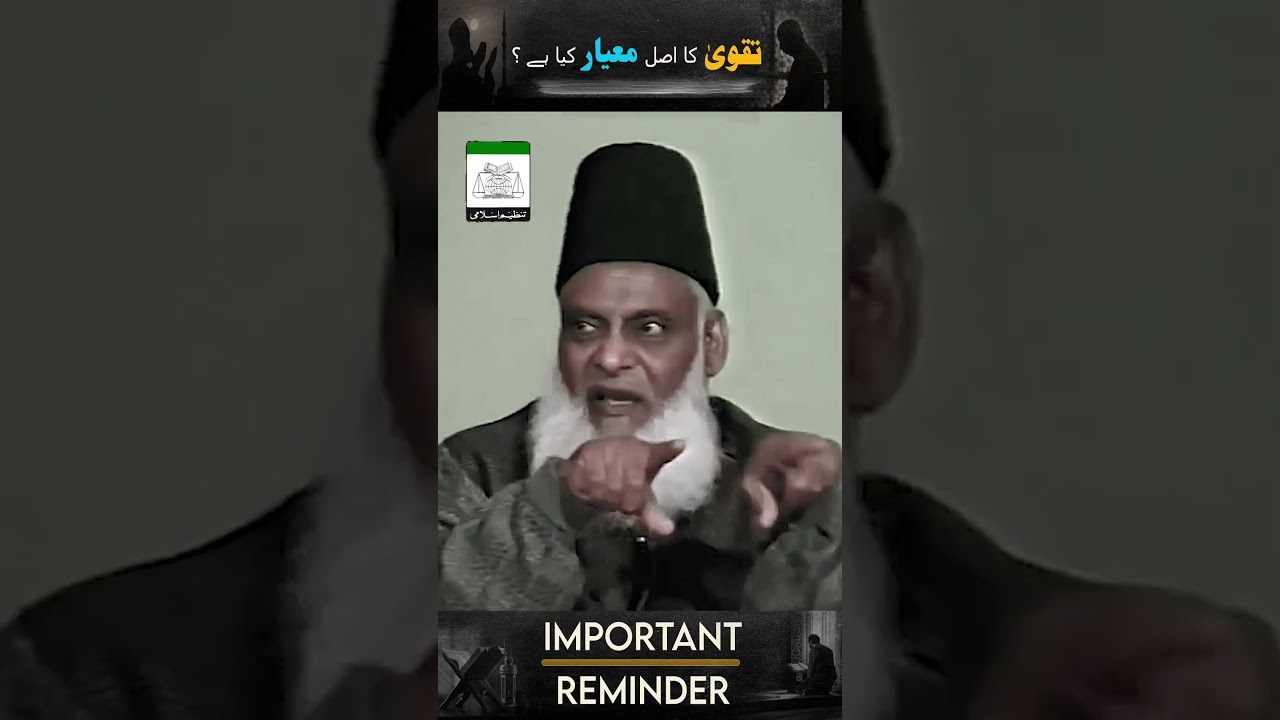
The lecture defines true piety (taqwa) as being fundamentally rooted in earning a lawful livelihood. Outward displays of religious observance – such as beard length, clothing style, or the performance of numerous prayers and vigil prayers – are meaningless if accompanied by the consumption of unlawful earnings. Any acts of worship performed with illegally obtained wealth are rendered null and void. The core test of piety lies in the purity of one's source of income.
45
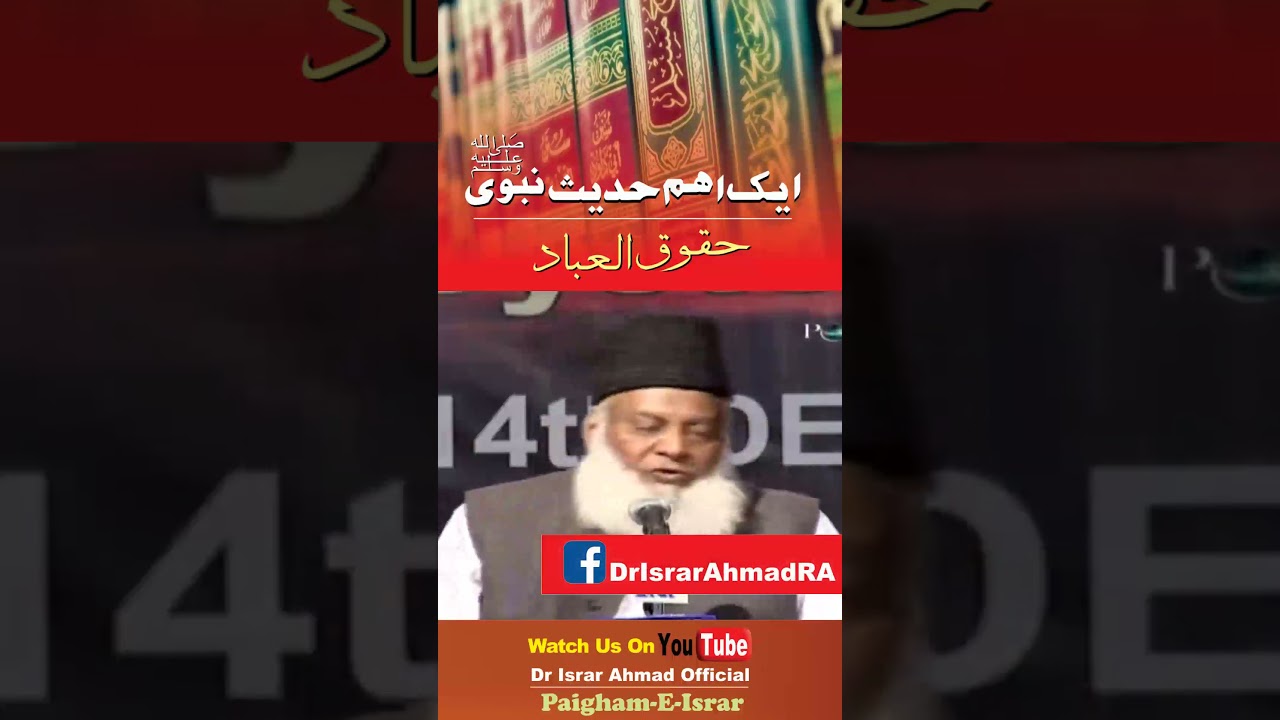
The Prophet Muhammad (peace be upon him) once asked his companions about bankruptcy. They defined it as a lack of wealth. The Prophet corrected them, stating the true bankrupt in his nation will be the one who comes with a large number of prayers, fasts, and pilgrimages, but also with the burdens of having wronged others – having insulted someone, unjustly taken their wealth, or falsely accused them. On the Day of Judgment, these wronged individuals will present their claims, depleting the bankrupt’s good deeds. If the deeds are insufficient, their sins will be transferred to them, leading to their destruction in Hell. This is the true meaning of bankruptcy – a spiritual and moral deficiency.
52
