شلوار کوتاه

Early Arabs primarily believed in Allah, though they also worshipped various deities and idols. They believed these idols would intercede on their behalf in the afterlife. While many acknowledged the existence of the afterlife, they struggled to reconcile the concept of resurrection with the physical decay of the body. Some believed their deities would protect them, reflecting a complex blend of monotheistic and polytheistic beliefs. This lecture explores the nuances of their faith and understanding of the divine and the hereafter.

35
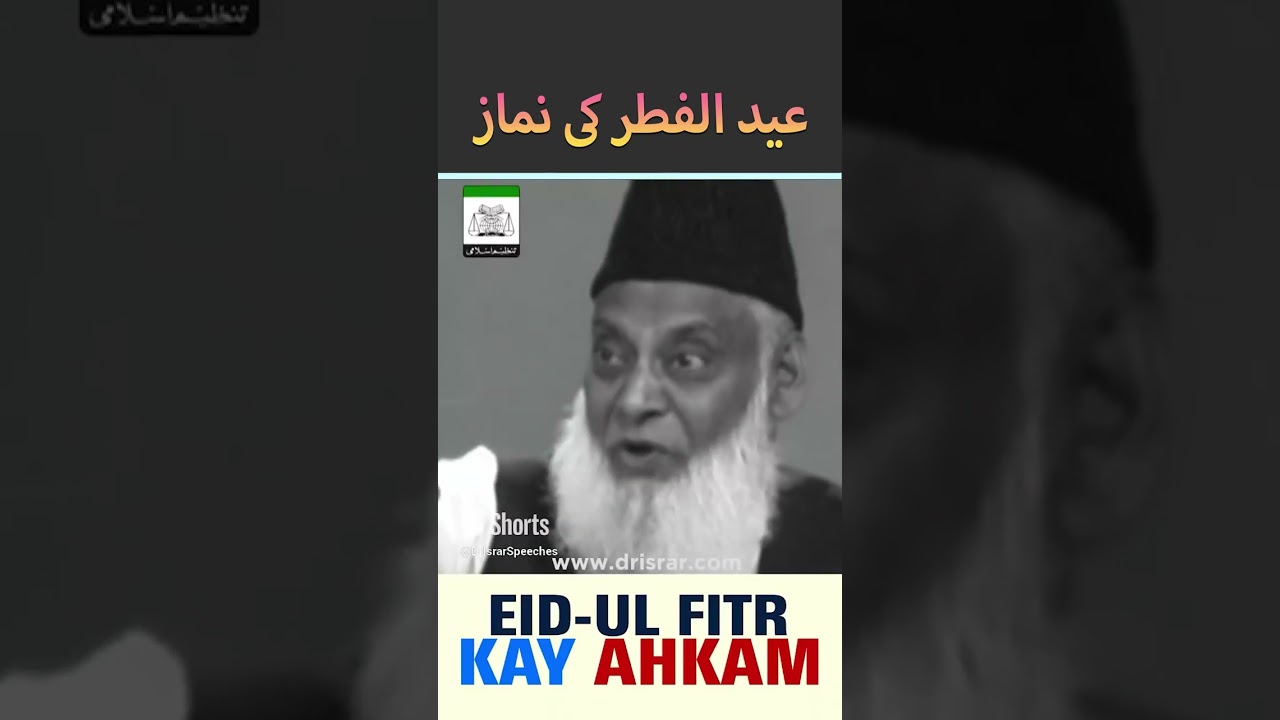
This lecture details the practice of additional *takbirat* (declarations of greatness of God) during Eid al-Fitr prayers. The Hanafi school of thought prescribes six additional *takbirat*, while the Ahl-e-Hadith tradition follows twelve. The speaker emphasizes performing these *takbirat* while traveling to and from the Eid prayer, ideally using different routes to amplify the proclamation throughout the community. The core message urges believers to actively uphold and propagate their faith through striving, dedication, and even sacrifice, as a demonstration of gratitude for divine guidance. It stresses that upholding and establishing the true faith requires sincere effort and dedication, and that gratitude for Allah's guidance should manifest in a commitment to living a righteous life.
65

To achieve any goal, one must control their base instincts and desires. Without self-discipline, life is reduced to a mere animalistic existence. A true human is defined by purpose, striving, hard work, sacrifice, and enduring hardship. Those who live without a defined purpose simply have life pass them by, falling below even the level of animals. The Quran, in Surah A'raf, compares such individuals to livestock, and even worse, as animals are created for a specific purpose, while these individuals squander their human potential.
72
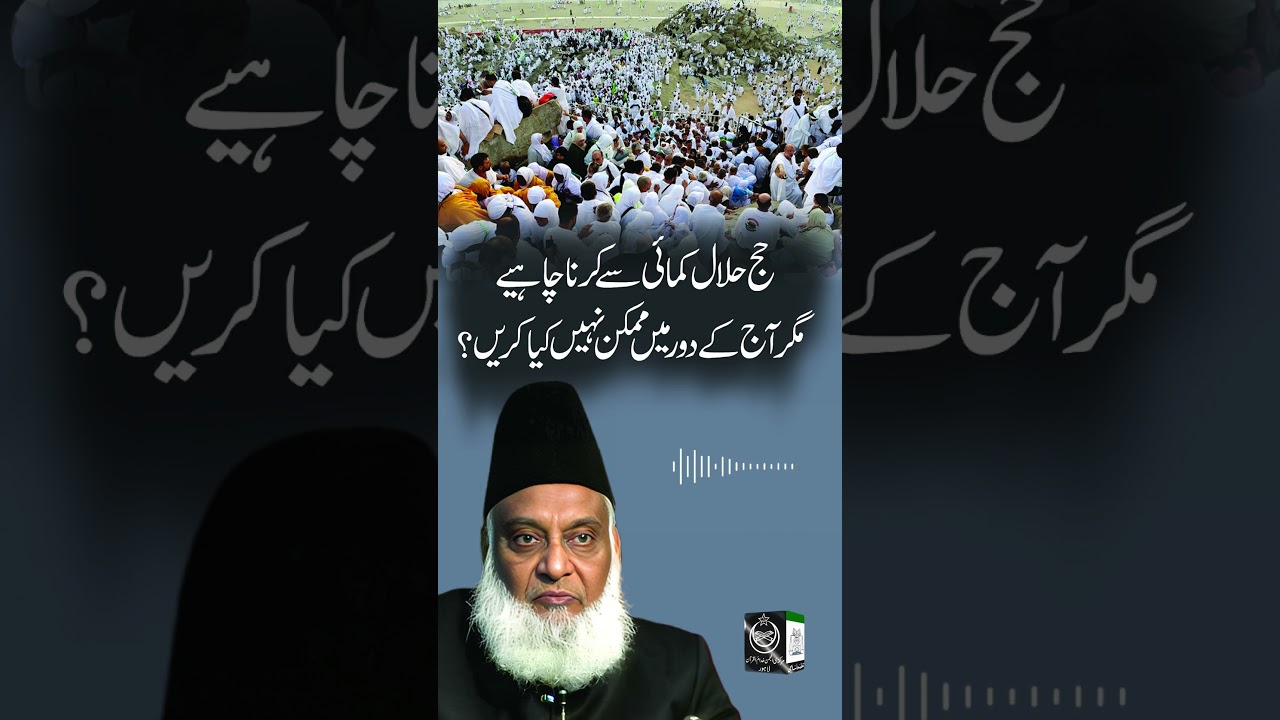
Performing Hajj and other religious obligations requires wealth earned through lawful means. Acquiring purely halal income is challenging in modern times due to pervasive indirect involvement with interest. Ambient interest exists in the air we breathe and the food we consume, which is considered a general impurity and doesn’t necessarily invalidate a transaction. Direct involvement, such as taking loans with interest to build homes or businesses, or depositing money to earn interest, is unequivocally forbidden. However, unintentional mistakes are forgivable, as God is Merciful and Pardoning. Focusing on acquiring halal income and avoiding strictly prohibited actions is paramount.
60

This lecture explores the transient and deceptive nature of worldly life, emphasizing its value as a field for cultivating rewards for the afterlife. It highlights the importance of remaining detached from worldly allurements and focusing on spiritual growth. True success lies not in accumulating worldly possessions but in preparing for the eternal realm. The speaker cautions against becoming lost in the superficialities of life, urging listeners to maintain a perspective of detachment, acting as travelers rather than settlers. Worldly life is valuable insofar as it allows one to earn provisions for the Hereafter; becoming engrossed in its distractions leads to ruin. The key to a balanced life is to engage with the world without becoming attached to it, recognizing its temporary nature and prioritizing eternal values.
68
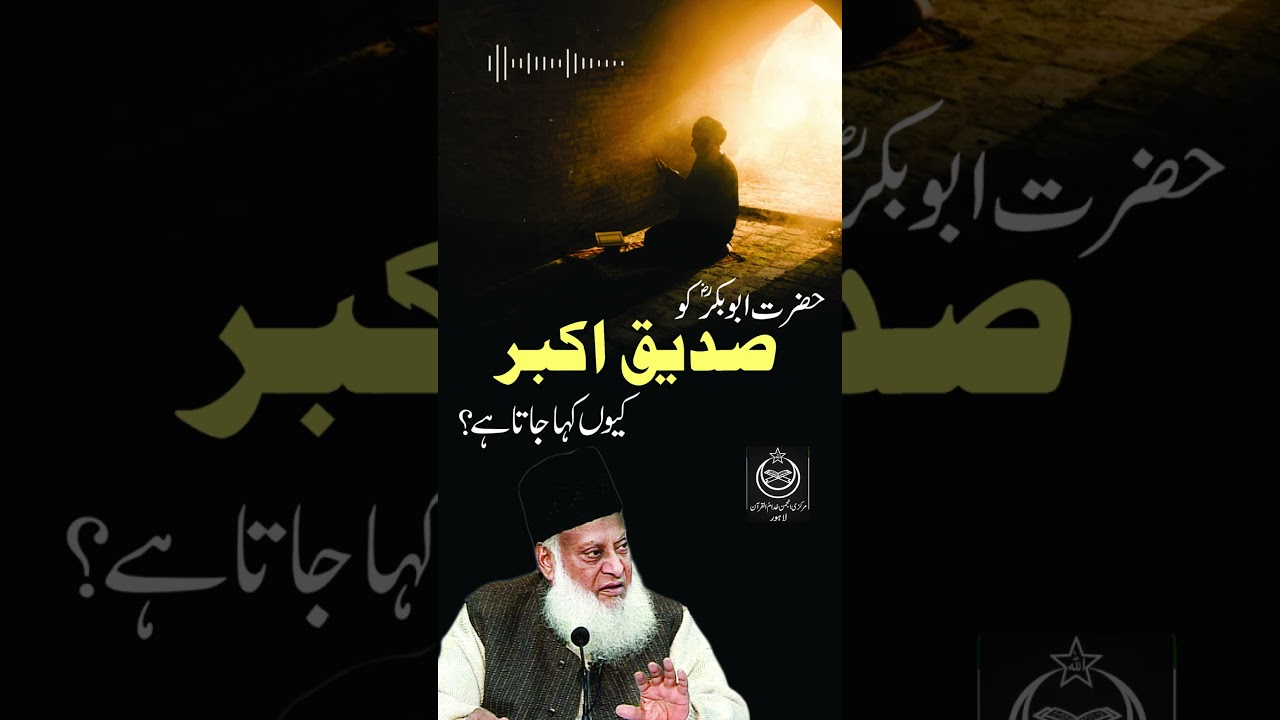
The title ‘Siddeeq’ is reserved for those who unequivocally affirmed the truth of the Prophet Muhammad (peace be upon him). Abu Bakr stood out as unique; unlike others who hesitated or pondered before accepting the message, he affirmed it instantly and without a moment’s doubt. This immediate and complete acceptance earned him the title ‘Siddeeq-e-Akbar’ – the greatest of the truthful.
71
