শর্টস

The number of verses in the Quran is a subject of some debate, estimated to be around 6,200, with variations stemming from whether or not to include the opening 'Bismillah' verse before each chapter (Surah), except for Surah At-Taubah. Including it would add 113 verses to the total. The number of Surahs, however, is definitively 114. Translating the concept of 'Surah' into English presents a challenge, and retaining the original term will likely foster wider understanding and acceptance. The lecture explains these nuances of Quranic structure.

64

This lecture emphasizes unwavering faith in Allah's support and power. It asserts that no harm can befall a believer except what is decreed by Allah, and no benefit can be achieved without His will. The core message is that true peace and security come from complete reliance on Allah, knowing He is always present and capable of overcoming all obstacles. The speaker highlights that collective human efforts cannot alter Allah’s plan, reinforcing the importance of trusting in His divine decree and finding strength in His companionship.
50
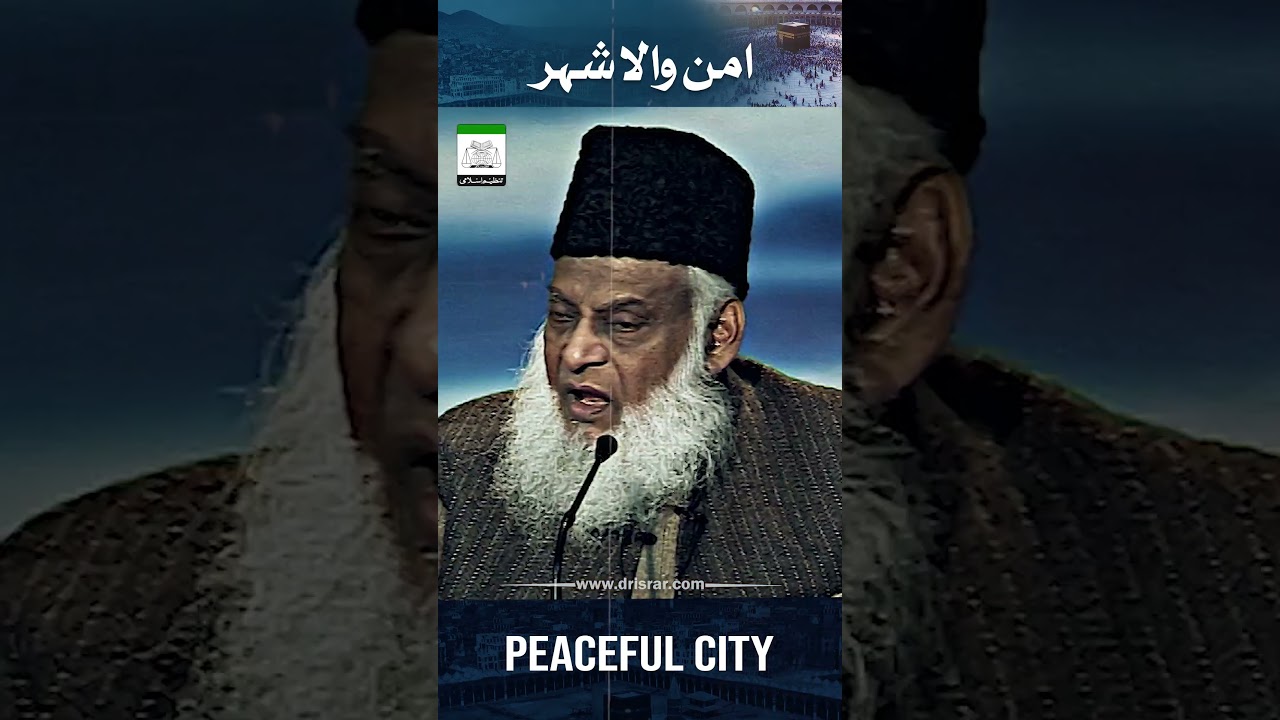
This lecture discusses the unique sanctity of Mecca, highlighting its historical role as a place of peace amidst a turbulent Arab society. Despite centuries of tribal conflict, feuds, and cycles of revenge killings, Mecca’s sacred precinct remained a sanctuary. Even those seeking retribution for deeply personal grievances—like the murder of a father—would refrain from violence within its boundaries. This demonstrates Allah’s provision of security and peace to the city, earning it the title 'City of Peace.' This inherent protection continues to be a defining characteristic of Mecca today.
40
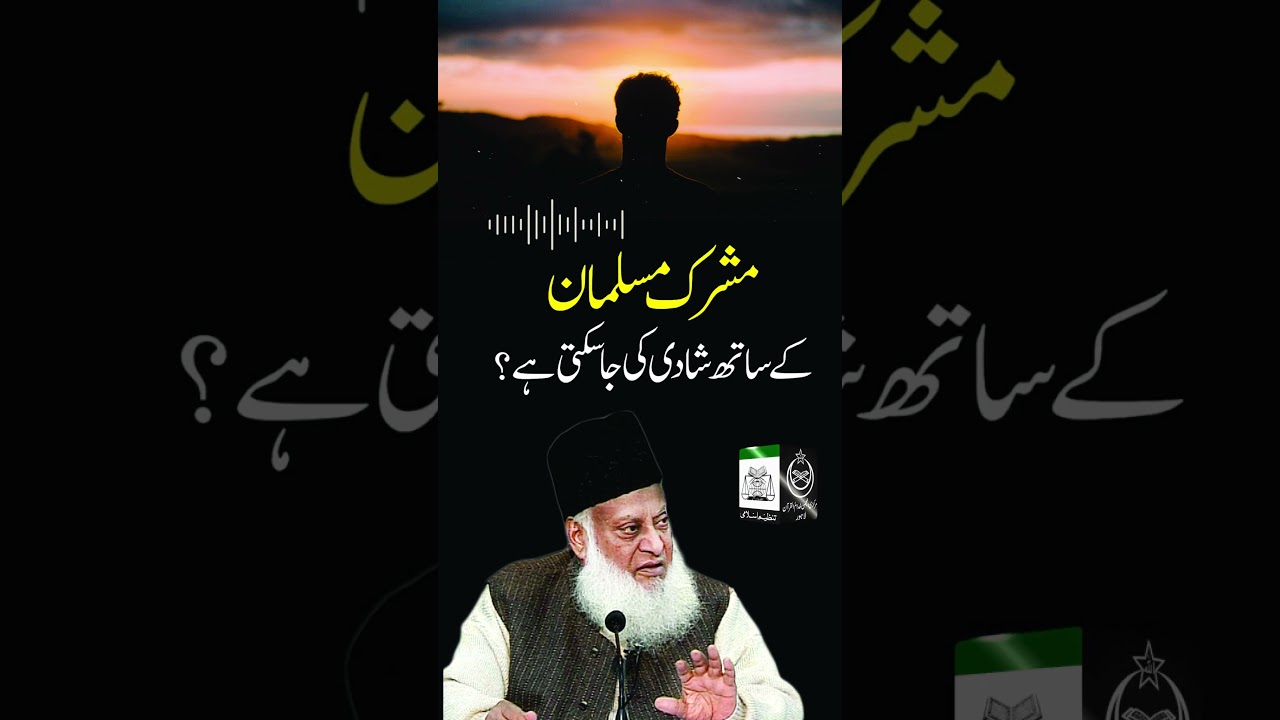
Dr. Arshad Maqbool discusses the permissibility of marriage to People of the Book (Ahl-e-Kitab) even though they associate partners with God. He clarifies that while Muslims who commit *shirk* remain Muslim but sinful, the category of People of the Book is distinct by divine decree. He highlights that despite the Quran refuting their beliefs, marriage to their women is permissible, based on God's command, not personal preference. This lecture explores the nuances of faith, sin, and divine law in the context of interfaith marriage.
75
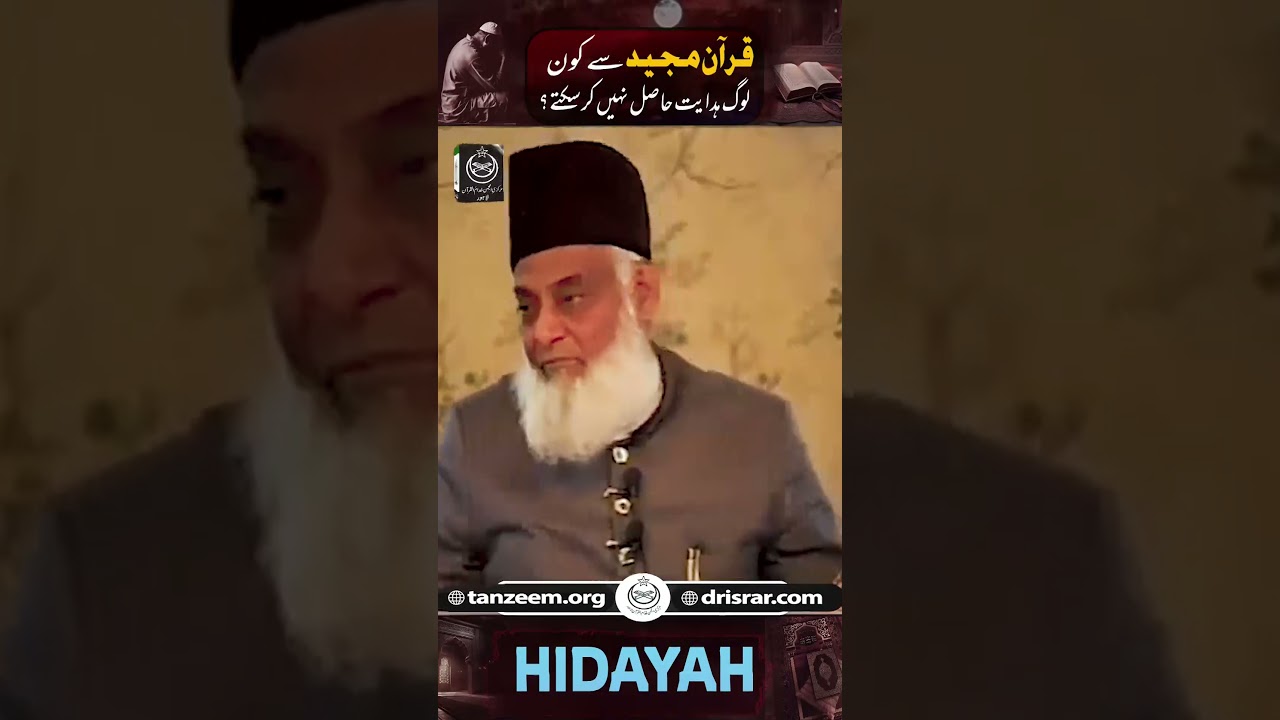
The Quran was revealed in Ramadan, necessitating fasting. While the Quran is a guidance for all humanity, benefiting from it requires *taqwa* (righteousness). The initial verses of Surah Baqarah emphasize guidance is for the righteous. Memorizing the Quran without embodying its moral principles results in a flawed character. A nation entrusted with the Quran but failing to fulfill its obligations will not prosper. The Quran provides complete guidance for all times, but *taqwa* is the prerequisite for genuine benefit. True understanding and fulfillment come with righteousness.
74

This lecture discusses the destructive nature of arrogance (takabbur) and its prohibition in Islam. It highlights that even a grain-sized amount of pride can prevent entry into paradise. God considers arrogance as a garment fit only for Him, and engaging in it is akin to stripping away His covering. The speaker emphasizes the importance of humility and recognizing one's limitations as essential qualities for spiritual growth and attaining divine favor. The lecture draws upon Quranic verses and prophetic traditions to illustrate the severity of arrogance and its consequences.
61
