Shorts

The number of verses in the Quran is a subject of some debate, estimated to be around 6,200, with variations stemming from whether or not to include the opening 'Bismillah' verse before each chapter (Surah), except for Surah At-Taubah. Including it would add 113 verses to the total. The number of Surahs, however, is definitively 114. Translating the concept of 'Surah' into English presents a challenge, and retaining the original term will likely foster wider understanding and acceptance. The lecture explains these nuances of Quranic structure.

64

This lecture clarifies the dangers of associating guardianship (wilaayat) with anyone other than Allah. It explains that basing friendships on expectation of future favors and performing wrong deeds for a friend’s sake, based on the hope of reciprocal help, is a flawed concept. True guardianship belongs to Allah alone; attributing it to others constitutes shirk. The speaker emphasizes that relying on someone's weakness or need for assistance as a basis for a relationship creates a dependency that contradicts the true meaning of devotion to Allah.
51

This lecture explores the distinction between inherited faith and consciously accepted belief. The speaker argues many identify as Muslim due to birth rather than a personal, conscious decision and realization of faith. True Islam, it is asserted, requires *yaqeen* – a deep, experiential certainty – not merely adherence to dogma or inherited creed. This conviction, akin to the spiritual realization described by Allama Iqbal, is essential for meaningful practice and spiritual growth. Without this inner certainty, religious observance remains superficial.
59
This lecture explores the profound inability of humanity to truly comprehend and appreciate the majesty of Allah. It asserts that genuine recognition of God is the foundation of all true connection and devotion. Those who fail to grasp this divine essence will inevitably seek solace in lesser things, becoming attached to worldly illusions and neglecting the ultimate source of beauty and truth. The discussion highlights the consequences of spiritual blindness, where individuals remain unaware of the manifestations of God’s glory, grandeur, and perfection, and instead wander aimlessly through life, chasing ephemeral pleasures and superficial connections. True love and devotion arise from a deep understanding of God's attributes.
55
This lecture discusses the Islamic perspective on charitable giving and the rights of heirs. A companion of the Prophet Muhammad (peace be upon him) inquired about donating all his wealth for the sake of Allah. The Prophet advised against leaving heirs destitute, emphasizing their rightful share. The companion then proposed donating half, then a third, with the Prophet accepting the one-third contribution as appropriate. This highlights a balanced approach to charity, respecting both the act of giving and the welfare of one’s family.
64
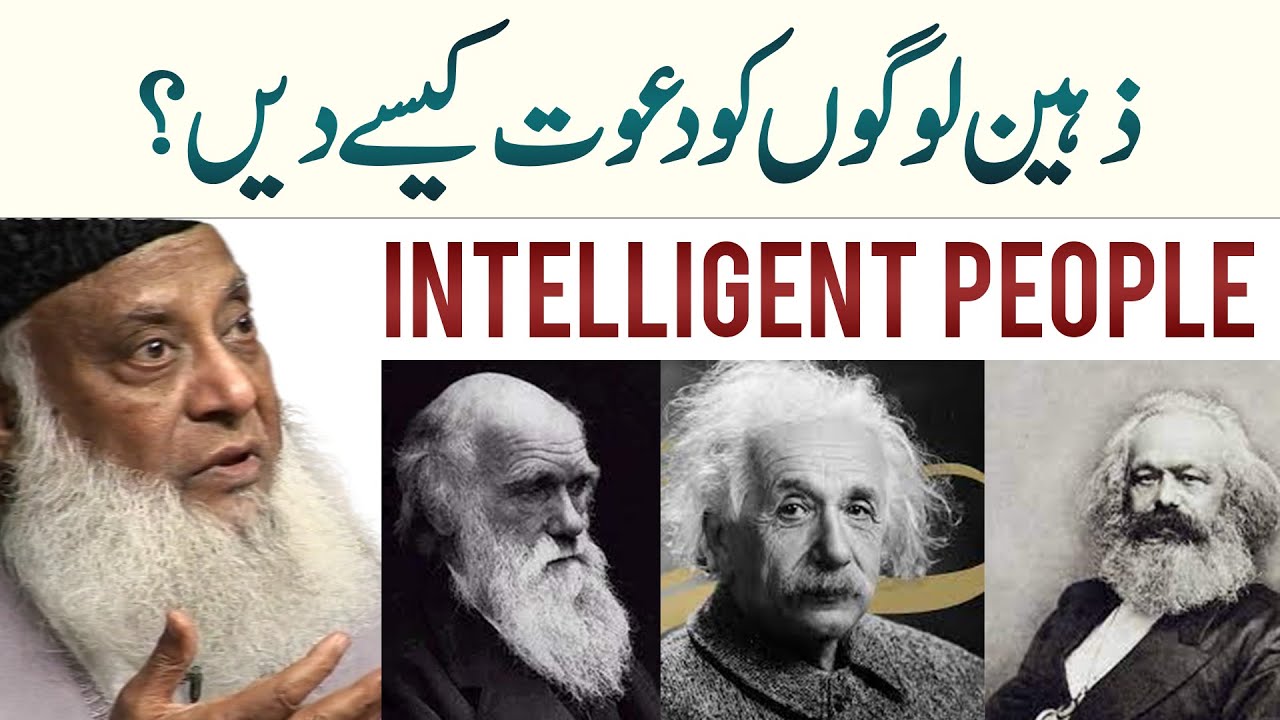
The lecture addresses the necessity of clearing the mind of conflicting ideologies, specifically Darwinian evolution and other Western philosophies, before accepting Islamic teachings. The speaker emphasizes that preconceived notions and intellectual impurities act as barriers to true understanding of religious concepts like the story of Adam and Iblis. He critiques the influence of thinkers such as Darwin, Freud, Marx, Adler, Bertrand Russell, and Sartre on contemporary thought, asserting that these philosophies obstruct a clear reception of Islamic principles. The speaker highlights the importance of intellectual purification to facilitate genuine faith and understanding.
51
