Kurze Hose
The number of verses in the Quran is a subject of some debate, estimated to be around 6,200, with variations stemming from whether or not to include the opening 'Bismillah' verse before each chapter (Surah), except for Surah At-Taubah. Including it would add 113 verses to the total. The number of Surahs, however, is definitively 114. Translating the concept of 'Surah' into English presents a challenge, and retaining the original term will likely foster wider understanding and acceptance. The lecture explains these nuances of Quranic structure.

64
This lecture addresses the societal shift where religious practice has become a profession, particularly within certain communities. The speaker argues that Islam does not endorse professionalizing faith or creating hierarchies based on religious knowledge. He criticizes the practice of making religious scholars a closed class and highlights the irony that those who benefit from this system often criticize the scholars themselves. The core argument centers on the idea that Islam is a faith for all, not a vocation limited to a select few, and that the current system of professionalizing religion is a deviation from its original intent. He contrasts this with the historical practice where religious knowledge was freely accessible and emphasizes that making it a profession creates jealousy and division.
97
This reflection acknowledges the inevitability of setbacks and failures in life's endeavors. It encourages proactive preparation for hardship, framing success as a bonus rather than an expectation. The core message emphasizes continuous effort and resilience, even in the face of repeated disappointments. It advocates for persistent work, nurturing hope, and seeking divine assistance, recognizing that struggle is a constant companion to growth and progress. The text urges acceptance of life's cycles, suggesting that after every loss, preparation for the next beginning is essential.
55
Human existence begins with a call to prayer at birth and concludes with a prayer upon death, differing only in the formalities of the *adhan* and *iqamat*. The time between these two prayers mirrors the brevity of worldly life. This lecture explores the concept that life is essentially the interval between the initial announcement of existence and the final prayer offered at its conclusion, emphasizing the transient nature of earthly existence and the importance of preparing for the afterlife. The formalities observed at birth and death—the *adhan* and *iqamat* at birth and the funeral prayer without them at death—highlight the fundamental transition between these two states.
52
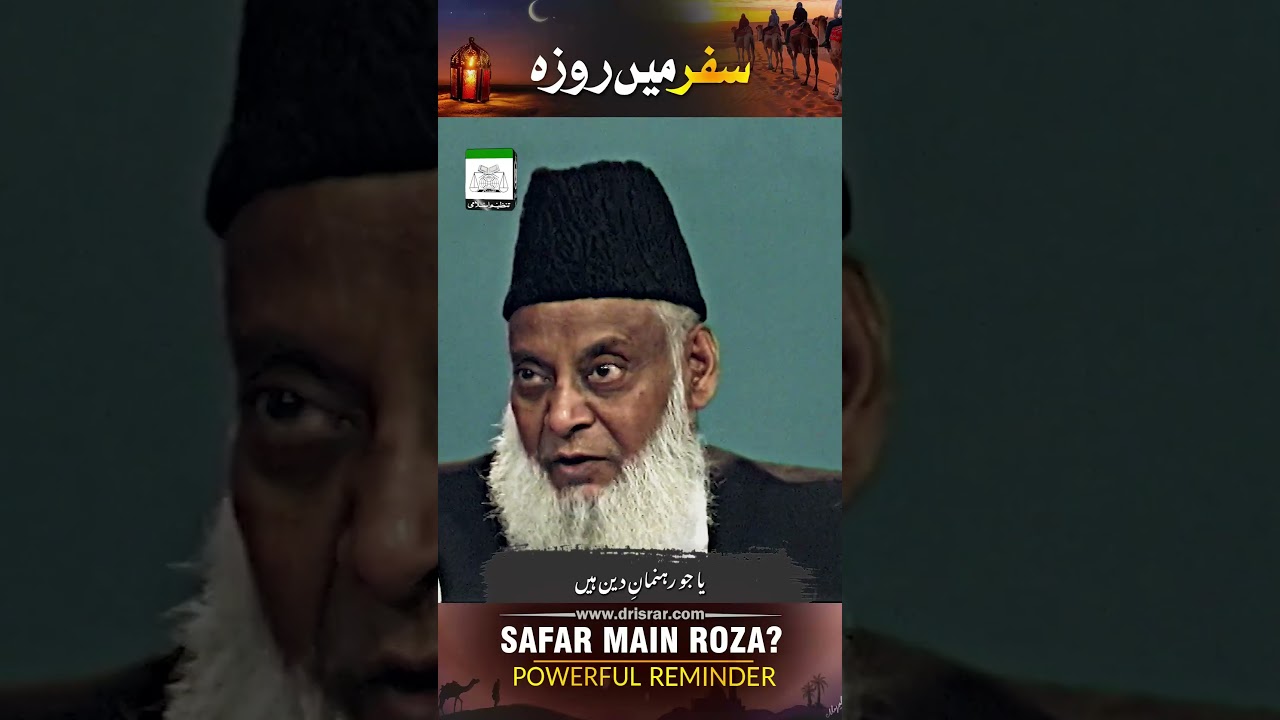
This lecture clarifies the purpose of fasting during Ramadan, emphasizing Allah’s desire for ease, not hardship. It addresses a rigid interpretation of religious obligations, specifically concerning fasting while traveling or during illness. The speaker explains that imposing unnecessary strictness upon oneself contradicts the spirit of Islam, which aims to alleviate burdens. True piety lies in understanding the intent behind religious practices and prioritizing ease and accessibility, mirroring the Prophet’s teachings to create facilitation, not difficulty. The lecture cautions against extremism and encourages a balanced approach to faith, focusing on the core principles of Islam rather than superficial adherence to rituals.
77
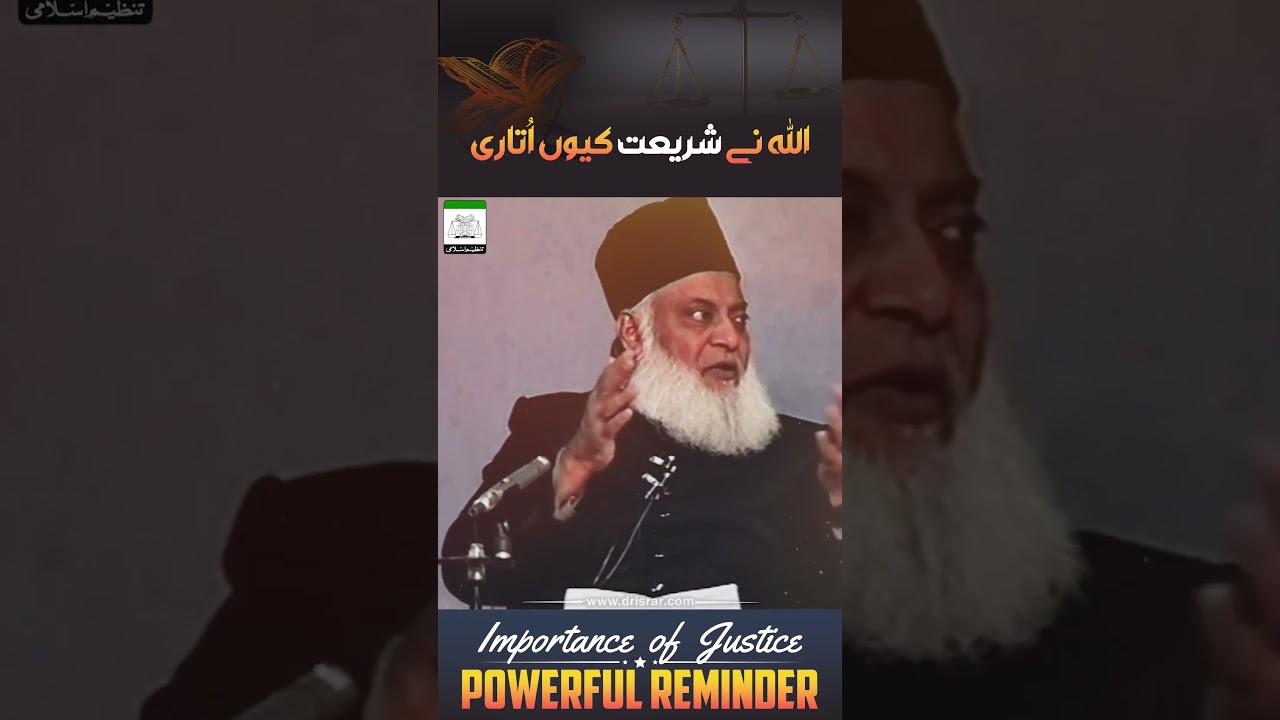
This lecture explores the fundamental importance of justice (Adl) in Islam, referencing Surah Aal-e-Imran and emphasizing the divine mandate for establishing equitable systems. It details how prophets were sent with clear teachings, scriptures, and a balance of rights and responsibilities—defining obligations for all levels of society, from individuals to employers and employees. The discussion highlights the consequences of neglecting justice and the impact of large-scale religious observances like Hajj on societal change. While rituals remain, the underlying spirit of striving for justice must be preserved. God sent messengers and revealed books so people could stand firm on justice.
46
