短裤

The Quran is structured into groups of verses – Makki (Meccan) and Madni (Medinan). Each group centers around a core theme, with the Makki verses presenting one aspect of that theme and the Madni verses revealing another. This creates a layered understanding of each topic within the Quran. The structure implies seven primary divisions within the Quran, alternating between Makki and Madni verses to comprehensively explore each subject. This layered approach ensures complete coverage of each theme.

55

Iqbal observed that if Nietzsche had lived in a time where he could have been guided, Iqbal would have explained the concept of *maqam-e-qabriya* (the station of the grave). The text posits that rebellion, transgression, injustice, and oppression originate within humanity, leading to the violation of others' rights and a sense of impunity. This unchecked behavior escalates into wrongdoing, exploitation, and unlawful gain. The ultimate remedy, as highlighted, is returning to God, emphasizing that while justice may be delayed, it is inevitable.
62

The Quran provides guidance on two primary levels: intellectual and practical. It addresses fundamental philosophical questions concerning the nature of existence, life, truth, and morality—exploring concepts such as the universe, the meaning of life, knowledge, right and wrong, good and evil. Simultaneously, the Quran offers a comprehensive system of practical directives governing individual and collective life, encompassing religious obligations, ethical guidelines, economic principles, and social norms. This dual approach provides both intellectual understanding and actionable guidance for humanity.
52

Societies often fall into the misconception that necessities will fulfill themselves without effort. This lecture explains that fulfillment requires proactive action and striving, even in the face of hardship or uncertainty. Waiting for things to happen automatically leads to stagnation. Real progress demands initiative and a clear understanding of the challenges at hand. Passive expectation yields no results; active pursuit is essential for achieving desired outcomes. The lecture emphasizes that even pursuing seemingly impossible goals, like mirages, is preferable to remaining idle.
50

This lecture explores the dual nature of *dawat* (invitation) and *tabligh* (propagation). It clarifies that both involve conveying a message and guiding someone toward a particular path. *Dawat* focuses on reaching out and delivering the message, while *tabligh* emphasizes bringing someone along that path, accepting the invitation. The lecture highlights that these are not separate actions, but two sides of the same effort—communicating a message and encouraging acceptance. The speaker emphasizes the importance of conveying the message and guiding others towards righteousness.
59
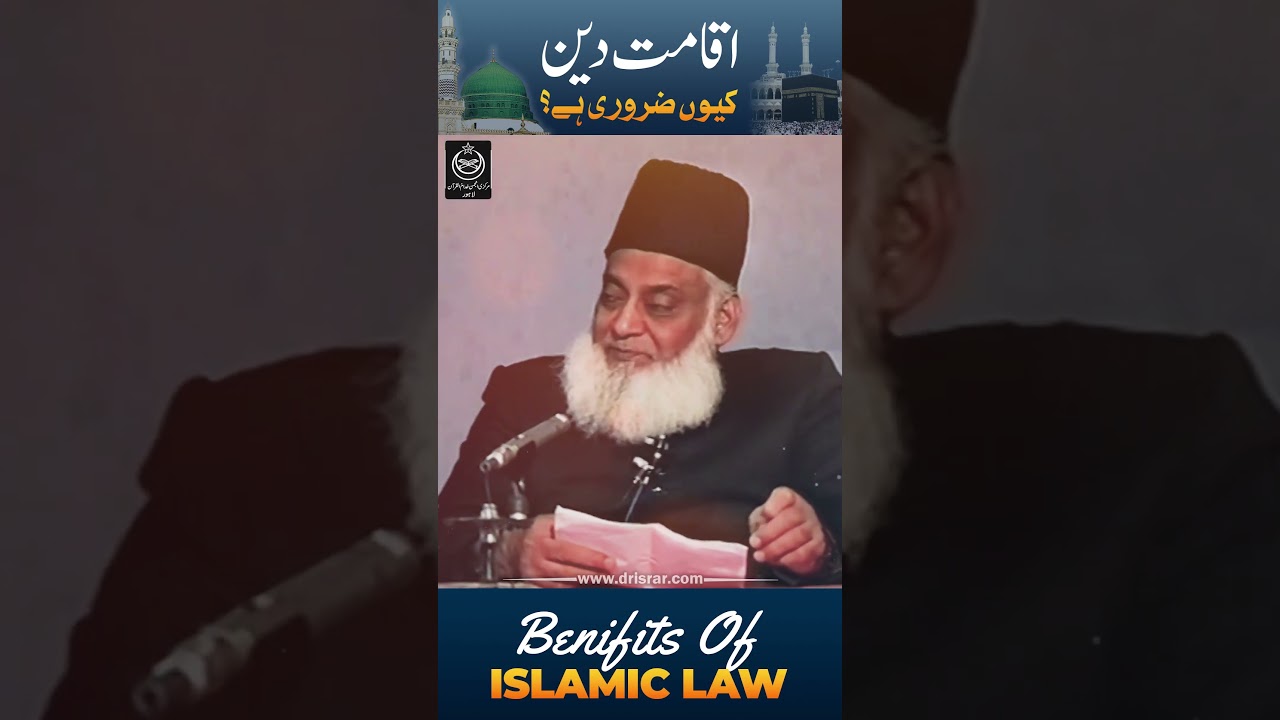
This lecture emphasizes the necessity of establishing a complete Islamic system of life, ensuring that divine law governs all aspects of society, including the legal and parliamentary systems. It argues that adherence to the Quran and the teachings of the Prophet Muhammad is crucial for societal well-being and that neglecting these principles leads to spiritual and societal decline. The speaker stresses that Islam is intended to be a dominant force for good, not to be subjugated, and highlights the importance of unwavering commitment to its principles, even in the face of opposition. The discussion also addresses the historical context of divine scriptures and the consequences of deviating from them.
58
