Shorts
The Quran is structured into groups of verses – Makki (Meccan) and Madni (Medinan). Each group centers around a core theme, with the Makki verses presenting one aspect of that theme and the Madni verses revealing another. This creates a layered understanding of each topic within the Quran. The structure implies seven primary divisions within the Quran, alternating between Makki and Madni verses to comprehensively explore each subject. This layered approach ensures complete coverage of each theme.

55
This lecture clarifies the permissibility of continuing to eat and drink until the white thread of dawn becomes distinctly separate from the black thread of night. It addresses excessive caution observed by some regarding the timing of *suhoor*, emphasizing that one can complete their meal even after the call to prayer. The speaker explains that the period of fasting begins at sunset and ends with the start of a new day, and that strict adherence to precise timing isn’t necessary, citing the Prophet’s allowance for finishing a drink even after the *azaan*. The emphasis is on the blessing in consuming the pre-dawn meal and avoiding unnecessary rigidity in its observance.
57
This lecture emphasizes the importance of reason ('aql) as a pathway to understanding divine guidance. It asserts that belief should be grounded in either rational thought, the teachings of the Quran, or the traditions of the Prophet Muhammad. The speaker stresses that knowledge stems from sensory experience, intellectual reasoning, or reliable transmission. Blind adherence to anything without understanding is discouraged. True knowledge is either acquired through one’s own senses, intellect, or through verified sources.
47
This lecture emphasizes the severe consequences of mocking others based on their physical appearance or perceived flaws. It argues that outward imperfections should not be the basis of ridicule, as true worth lies in inner piety, love for God and His Messenger, and virtuous character. Mocking a believer is presented as an act of hostility towards God Himself, citing a divine tradition warning those who antagonize God’s friends will face His wrath. The lecture stresses the importance of respecting all believers and avoiding actions that cause them emotional pain.
55
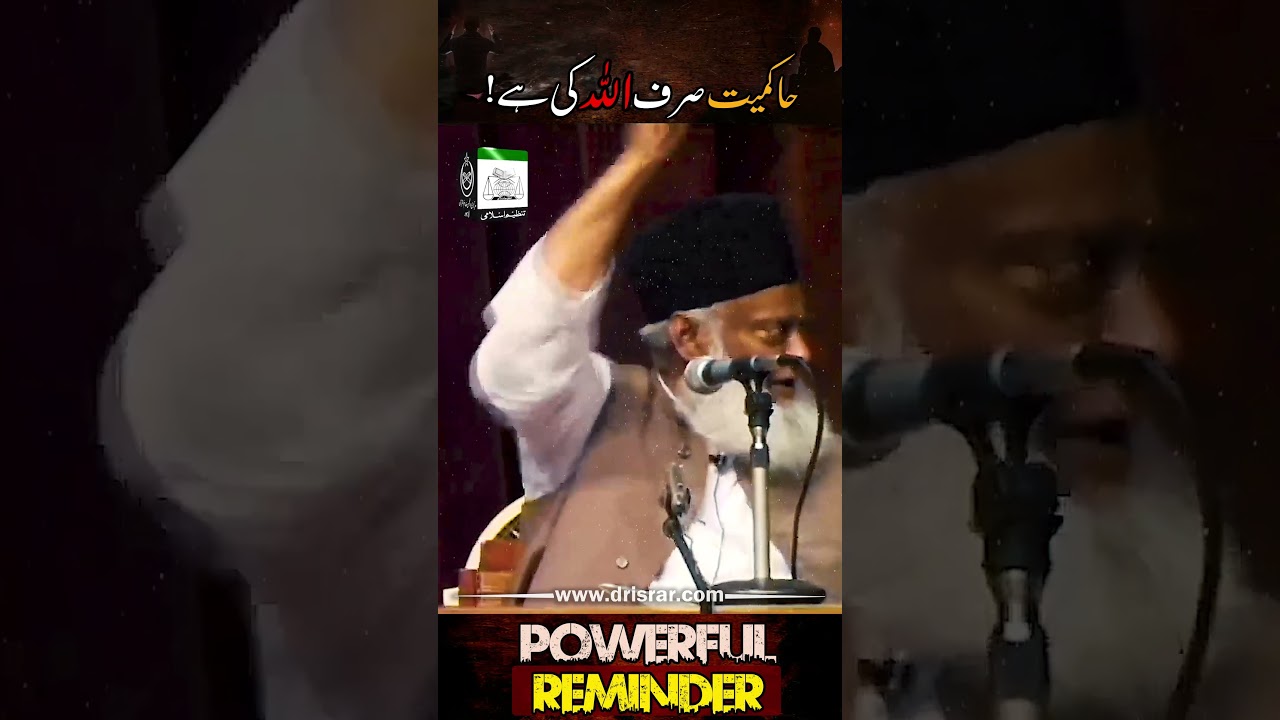
This lecture asserts that true sovereignty rests solely with God, rejecting the concept of human or national governance. It emphasizes that ownership, in its entirety, belongs to God, with all possessions – including one’s own body and progeny – being held in trust. The discussion refutes any form of human rule, whether individual kingship, national dominion, or popular sovereignty, deeming them forms of associating partners with God. The speaker stresses that God, or His appointed representatives, are the sole law-givers, and true authority emanates only from the Divine.
69
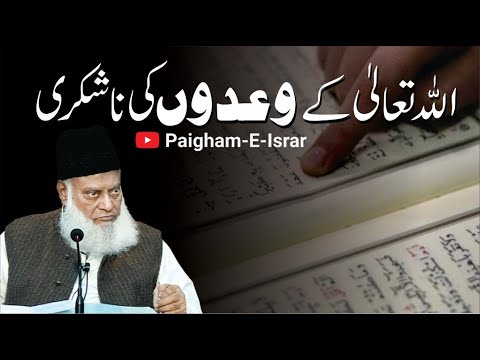
This lecture emphasizes the fulfillment of promises made to Muslims – establishing righteous governance, enabling the practice of their faith, and achieving ultimate peace. It highlights the deficiency of worship in the absence of a system governed by divine law, warning against societal disobedience and the consequences of rejecting Allah’s guidance. The speaker stresses the importance of courage, collective action, and unwavering faith in pursuing the establishment of a just and divinely ordained order. It cautions against compromising on principles and adhering to systems of injustice, emphasizing that true worship is only complete when the entire life is submitted to Allah’s will. The lecture concludes by urging believers to step forward with courage and establish Allah’s dominion.
58
