ショーツ
The Quran is structured into groups of verses – Makki (Meccan) and Madni (Medinan). Each group centers around a core theme, with the Makki verses presenting one aspect of that theme and the Madni verses revealing another. This creates a layered understanding of each topic within the Quran. The structure implies seven primary divisions within the Quran, alternating between Makki and Madni verses to comprehensively explore each subject. This layered approach ensures complete coverage of each theme.

55
This lecture details three elements that lead to salvation and three that lead to destruction. Salvation is achieved through fear of God in both private and public, speaking the truth regardless of anger or pleasure, and fulfilling one’s obligations. Destruction stems from following one's desires, excessive love of wealth, and self-admiration. Self-regard is presented as the most dangerous of these destructive traits, hindering spiritual progress and distancing one from divine guidance.
65
This lecture analyzes the French and Russian Revolutions, highlighting their incomplete nature. Both revolutions primarily altered the political structure while leaving core beliefs, social systems, values, and economic institutions largely unchanged. The Bolshevik Revolution uniquely transformed the economic framework by abolishing private ownership and nationalizing resources, yet it did not affect the fundamental beliefs or social values. This discussion emphasizes how revolutions often fail to achieve comprehensive societal change, focusing instead on specific structural adjustments.
73
This lecture clarifies the misconception surrounding collective repentance. True repentance begins with individual introspection and sincere regret. A significant shift in societal norms occurs only when enough individuals genuinely repent and strive to reform the system. Mass gatherings alone, like those during Hajj, do not guarantee systemic change if not coupled with personal transformation. The speaker emphasizes that merely performing rituals without inner renewal yields no lasting impact. The current system, riddled with usury and irreligious practices, necessitates individual repentance as a starting point for broader societal reform. The speaker explains that large gatherings without true repentance will not yield any changes.
61
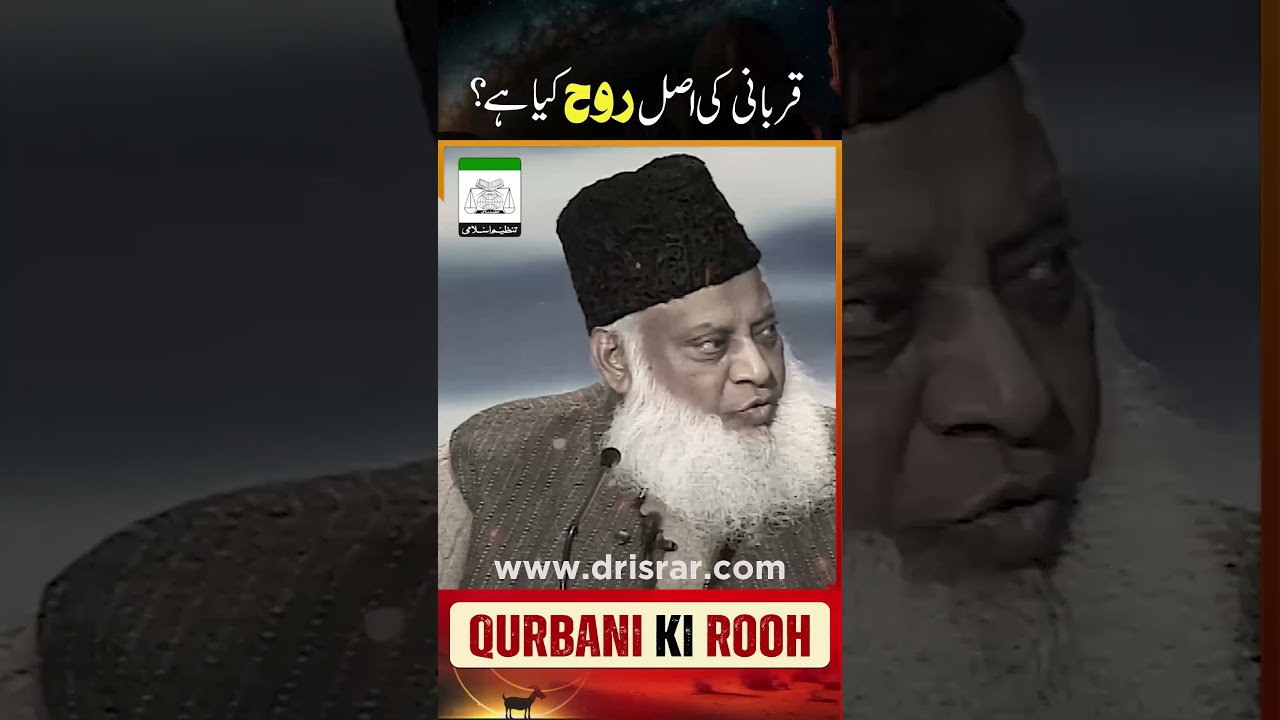
The essence of sacrifice lies in acknowledging Allah as the sole deity and submitting to Him. Without this spiritual connection, rituals like sacrifice, prayer, fasting, and pilgrimage become meaningless formalities. True devotion stems from a genuine relationship with Allah, transforming actions into sincere worship. The core of sacrifice is not merely the act itself, but the underlying recognition of God’s sovereignty and one’s complete surrender to His will. Without this internal state of piety, all external observances are rendered futile.
84
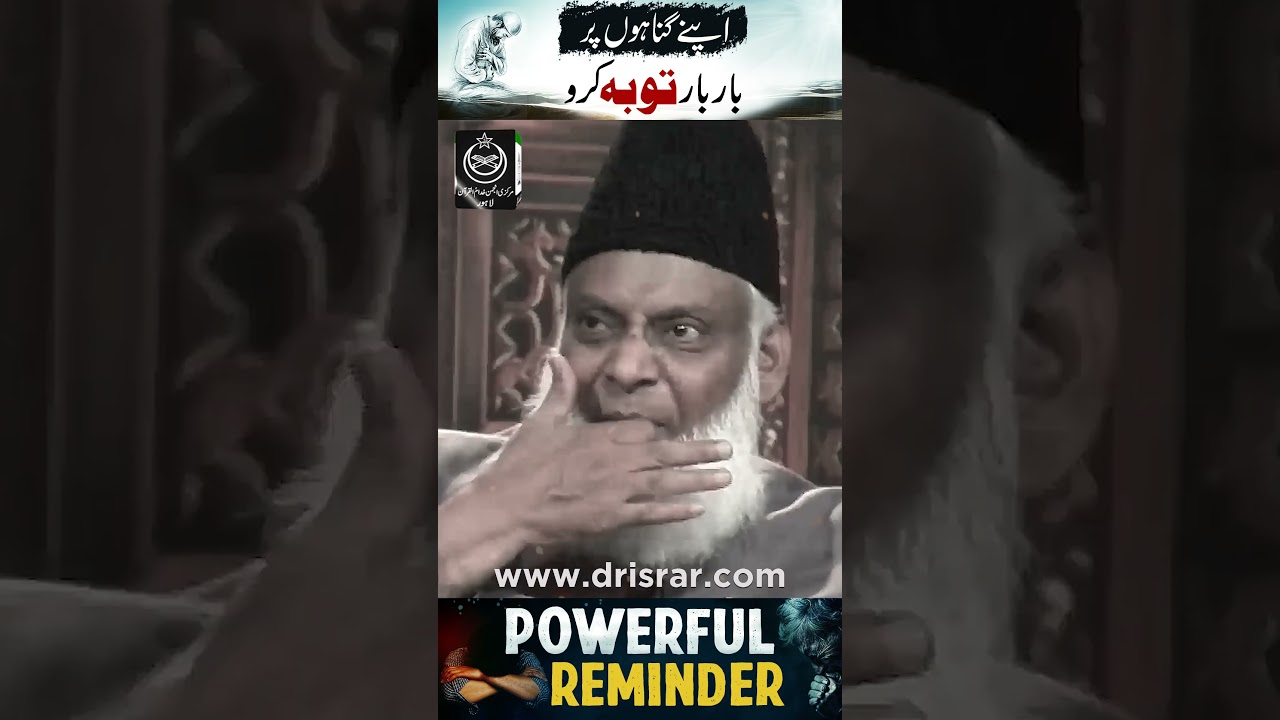
Human beings are prone to error, being descendants of Adam. The core message emphasizes consistent repentance as a path to divine mercy. Despite repeated failings, sincere *tawba* (repentance) is perpetually accepted. The lecture highlights that breaking repentance does not disqualify one from returning to it. Allah’s mercy remains accessible as long as one continues to seek forgiveness. It stresses that the door of repentance is always open, even after multiple transgressions, and that consistent effort to return to Allah is vital.
60
