Shorts

This lecture discusses the Islamic principle of prioritizing ease and avoiding unnecessary hardship, particularly concerning fasting during illness or travel. It highlights an incident during a military expedition where some individuals, despite being weakened, insisted on fasting, causing them to collapse. The Prophet Muhammad (peace be upon him) observed this and discouraged fasting in such circumstances, emphasizing that Islam aims to facilitate, not burden, its followers. The core message is that self-inflicted hardship is not a virtue but a misunderstanding of religious principles, and that the purpose of religious teachings is to promote ease and well-being.

62

Human beings inherently seek to reassure their conscience, even those seemingly immersed in wrongdoing. This lecture explores the universal need to perform some act of goodness, offering a psychological solace amidst a life potentially dominated by negativity. The poet’s verse highlights how a continuous self-deception—finding justification in minor acts while overlooking greater failings—is essential for sustaining life, allowing individuals to cope with their inherent imperfections. The pursuit of goodness, however small, serves as a vital mechanism for maintaining psychological equilibrium.
69

This lecture elucidates the dynamic and revolutionary nature of faith, emphasizing that the true essence of belief lies in striving for the elevation of God's religion. Prayer, fasting, pilgrimage, and charity are not merely rituals, but tools to cultivate the patience, steadfastness, and resilience necessary for this struggle. Without a clear purpose – the advancement of faith – these practices risk becoming empty formalities. A life dedicated to the glory of faith imbues these acts with genuine meaning and purpose, transforming the believer into a dedicated servant.
60

Establishing a connection with the Quran fosters mental and intellectual harmony, unifying purpose. A community (Ummah) is defined by a shared objective. Today, the Muslim Ummah exists as a collective striving for a common goal. While the ideal of a unified Muslim Ummah, extending from India to the shores of the Nile, remains a vision, the reality is that a truly cohesive Muslim community does not currently exist. This lecture explores the concept of Ummah, its historical aspirations, and its present fragmented state.
88
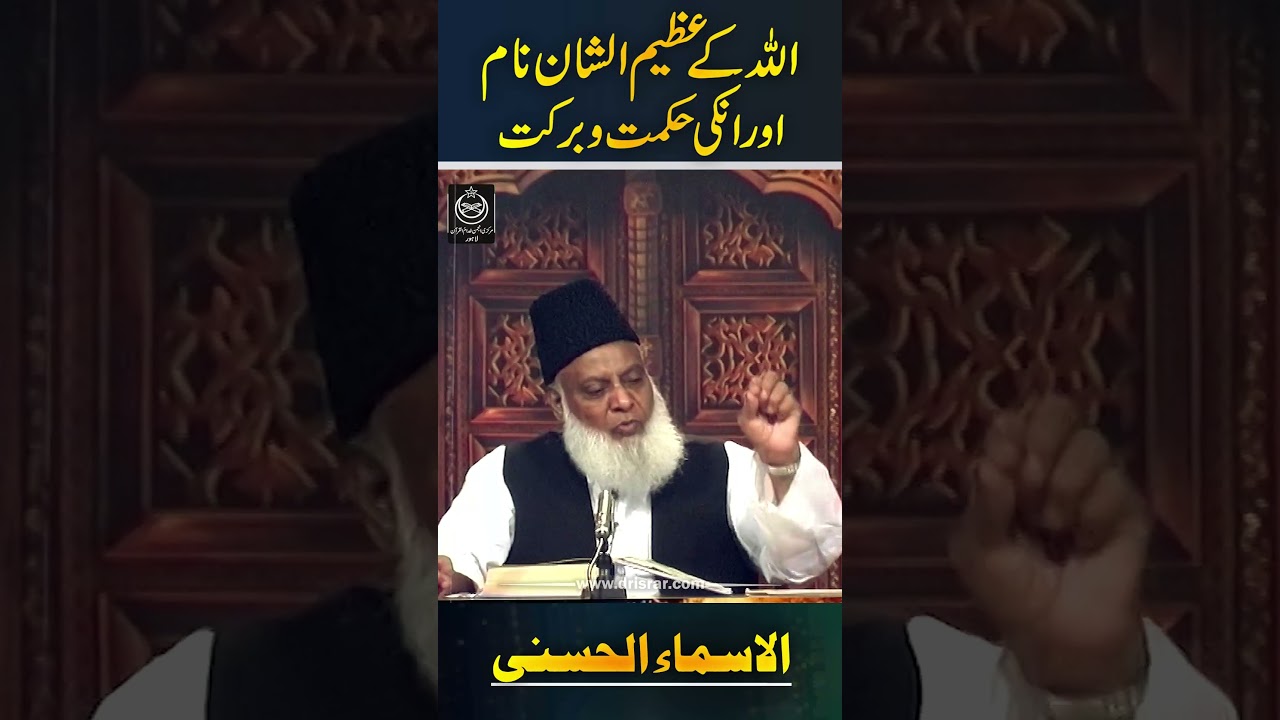
This lecture explores the absolute sovereignty of Allah, contrasting it with earthly kingship where power is often susceptible to corruption. It highlights that Allah’s authority is unchecked by any external force, but is governed by His perfect wisdom. The discussion draws parallels with the story of Pharaoh in Surah Momin, illustrating how even a self-proclaimed god faced limitations due to internal dissent and the inherent flaws of absolute power. The lecture emphasizes that Allah’s absolute authority is balanced not by external checks, but by His complete and perfect wisdom, ensuring just and equitable decisions.
64

Life is a continuous test of both human nature and intellect. Recognizing God is the initial trial, followed by steadfastness in obedience. True belief necessitates complete adherence to divine commands and abstinence from prohibitions, even in the face of adversity. This principle of unwavering commitment has been a constant throughout history, exemplified by the trials faced by prophets like Ibrahim. God consistently tests those who come before us, and remembering these trials offers guidance and strength.
52
