Pantalones cortos
This lecture discusses the Islamic principle of prioritizing ease and avoiding unnecessary hardship, particularly concerning fasting during illness or travel. It highlights an incident during a military expedition where some individuals, despite being weakened, insisted on fasting, causing them to collapse. The Prophet Muhammad (peace be upon him) observed this and discouraged fasting in such circumstances, emphasizing that Islam aims to facilitate, not burden, its followers. The core message is that self-inflicted hardship is not a virtue but a misunderstanding of religious principles, and that the purpose of religious teachings is to promote ease and well-being.

62

This lecture emphasizes the importance of financial moderation, differentiating between frugality and extravagance. Extravagance is considered more detrimental than miserliness, defined as unnecessary expenditure beyond genuine need. The speaker cites the example of simple sustenance—bread and a single dish—as sufficient, contrasting it with excessive displays of food. The lecture strongly condemns wasteful spending motivated by showing off wealth, such as lavish homes with excessive electricity consumption, labeling it a grave sin. The core message promotes a balanced approach to spending, prioritizing necessity over ostentation.
41
Prioritizing the purification of the heart is essential, though physical cleanliness is also necessary. Maintaining a beard is a strongly recommended tradition of the Prophet Muhammad, peace be upon him, not an obligation. While adhering to religious practices is important, genuine intention and a pure heart are paramount. Following the Prophet’s commands, even in seemingly minor matters, benefits one’s spiritual and worldly life. A clean heart and sincere intentions are foundational to a meaningful life.
62
This lecture emphasizes the transient nature of worldly life and the importance of preparing for the afterlife. It highlights that life in this world is merely a temporary diversion, like a game or play, and true life resides in the hereafter. The speaker stresses that the passage of time feels incredibly swift, akin to a few hours when viewed from the perspective of eternity. A firm belief in this reality should empower individuals to face trials and tribulations with resilience, knowing that death is an inevitable journey toward union with the Beloved – Allah. The lecture encourages a joyful acceptance of death as the lifting of a veil separating us from our ultimate home and true happiness.
60
This lecture discusses the profound knowledge of Quranic interpretation possessed by Hazrat Abdullah Ibn Abbas, a prominent companion of the Prophet Muhammad. He received special prayers from the Prophet for understanding of religion and deep comprehension of the Quran. Abdullah Ibn Abbas is considered a leading authority on Tafsir, with a significant number of narrations attributed to him through his students like Mujahid and Ikramah. The term 'Habr', meaning a highly knowledgeable scholar, is explained in relation to his status as 'Habr al-Ummah', the scholar of the Muslim community. The lecture also clarifies the origin of the term 'Habr' and its historical context regarding scholars of other faiths.
108
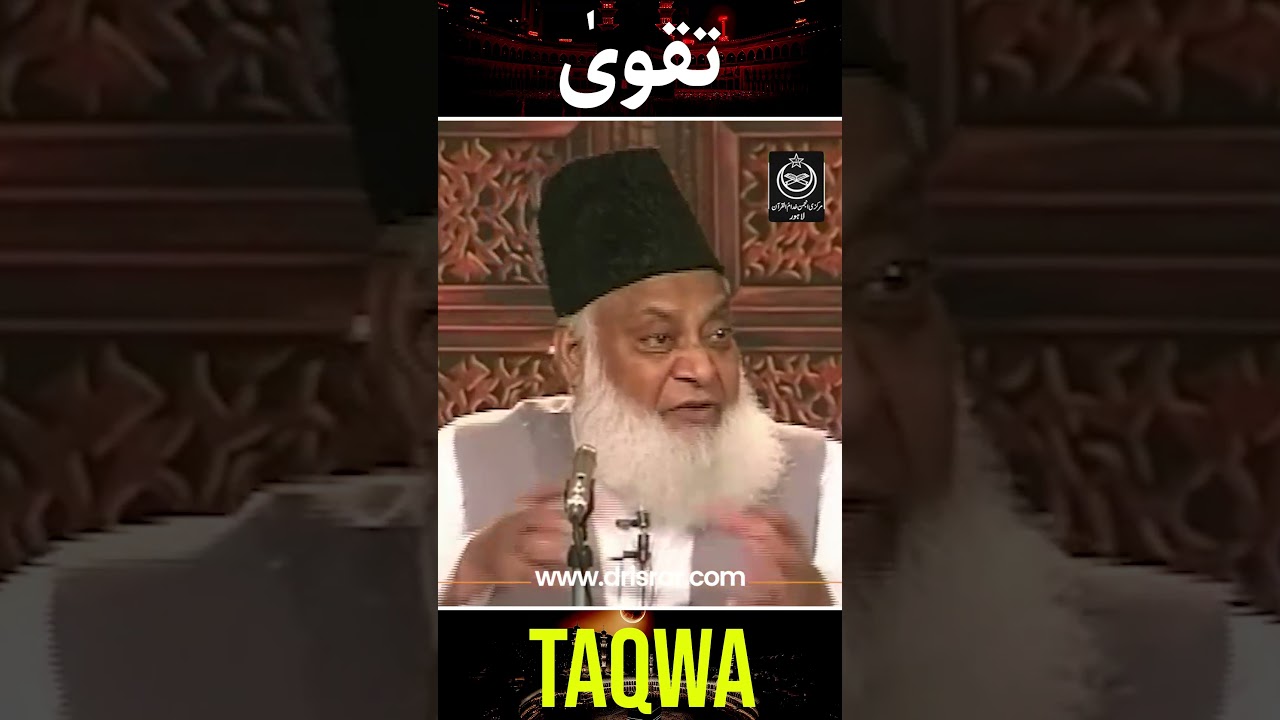
True piety (taqwa) isn't about outward appearances or rituals, but an internal state of consciousness and unwavering faith. It’s a complete immersion of one's personality in the principles of divine guidance. Genuine piety manifests as a consistent effort to please God and avoid disobedience, permeating the entire being with a distinct spiritual color. It resides in the heart and is intrinsically linked to faith. The Prophet Muhammad (peace be upon him) repeatedly pointed to his chest to emphasize that piety dwells within the heart, not in external displays.
41
