Korte broek
To achieve any goal, one must control their base instincts and desires. Without self-discipline, life is reduced to a mere animalistic existence. A true human is defined by purpose, striving, hard work, sacrifice, and enduring hardship. Those who live without a defined purpose simply have life pass them by, falling below even the level of animals. The Quran, in Surah A'raf, compares such individuals to livestock, and even worse, as animals are created for a specific purpose, while these individuals squander their human potential.

59
This lecture addresses why prayers often go unanswered. It asserts that simply performing religious rituals like Hajj and reciting the Quran are insufficient. True connection with God requires practical implementation of divine teachings in one’s life and community. The speaker emphasizes establishing faith within oneself, in one’s home, and then uniting with others in a covenant to uphold those principles. This involves a commitment to living by the entirety of revealed scripture, encompassing both Quran and Hadith, and acting upon its guidance.
55
This lecture addresses the issue of institutionalized begging and contrasts it with genuine charitable giving rooted in Islamic teachings. It argues that simply giving small amounts of money to beggars perpetuates the problem instead of empowering them. The speaker emphasizes the importance of supporting institutions that rehabilitate and enable individuals to become self-sufficient. Giving to those in need is obligatory, but it should be done in a way that preserves their dignity and fosters independence. The lecture cautions against dismissing or humiliating those who ask for help, suggesting that even those who appear well-off may have legitimate needs. The core message is that true charity involves empowering individuals to stand on their own feet, not simply providing temporary relief.
50
This lecture explains the unique significance of Ramadan. It highlights that Ramadan is a time when Allah makes it easier to perform good deeds and more difficult to indulge in evil. The month offers open doors to divine mercy and encourages individuals to progress on the path of righteousness. It is a call to seize the opportunities for spiritual growth and avoid falling short of the blessings available during this sacred month. The lecture emphasizes that Ramadan facilitates advancement for those inclined towards goodness and creates obstacles for those inclined towards evil.
71
Life is a continuous progression towards death, with each heartbeat bringing us closer to our graves. The value of time is paramount, and the heart should be refined and improved with every passing moment. This lecture emphasizes the importance of recognizing life’s fleeting nature and striving for spiritual betterment. It underscores that improving oneself – refining the heart – is the most valuable use of the time we are given, as time itself is constantly moving towards its inevitable conclusion. Each beat of the heart is a reminder of our mortality and an opportunity for self-improvement.
40
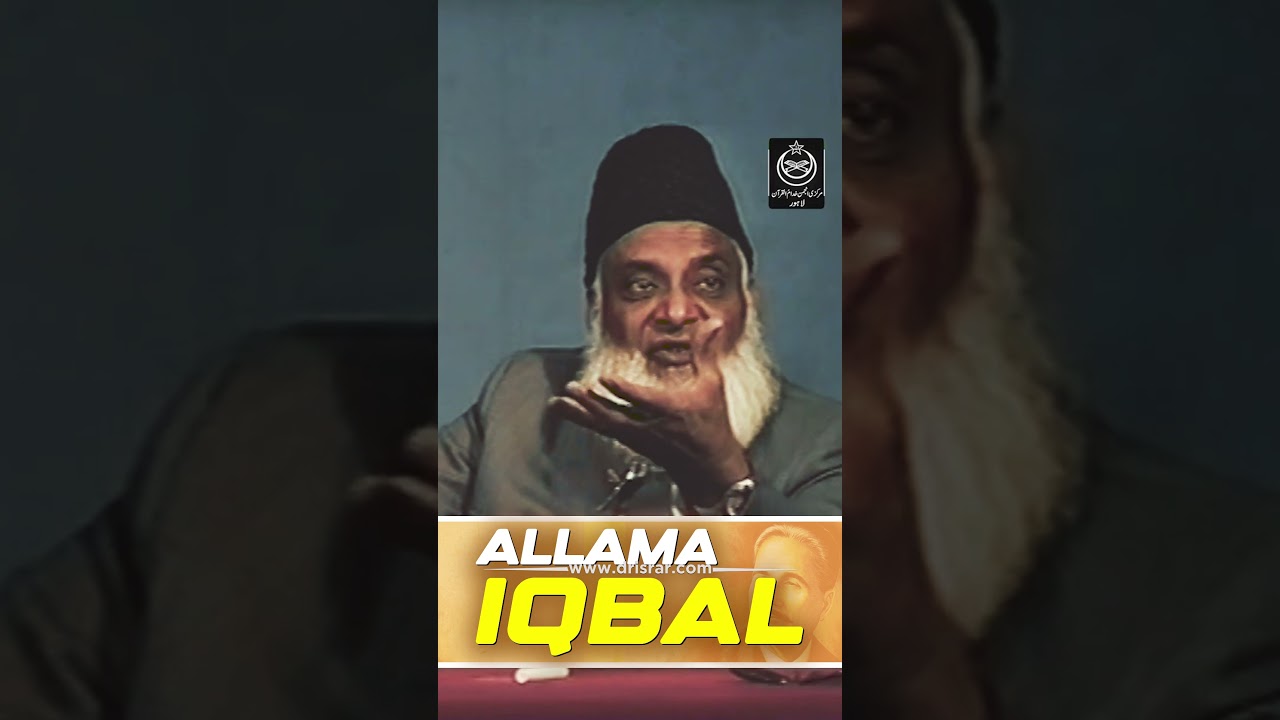
Allama Iqbal, at the beginning of the 20th century, foresaw the rise of a destructive ideology, even before its full manifestation in Nazi Germany. His initial work focused on economics, but he was a philosopher and a poet with profound insight. He recognized the seeds of a sentiment that would later fuel the Holocaust—the perception of being controlled by external forces. This early awareness, predating overt reactions within Nazi Germany itself, allowed him to anticipate the potential for extreme brutality. The systematic extermination of six million people, a horrific event, stemmed from this perceived control and the resulting resentment. Iqbal understood the danger inherent in such beliefs.
56
