短裤

This lecture emphasizes the importance of inviting people to the path of God with wisdom, good counsel, and respectful debate. It highlights that delivering the message of God is a duty, best fulfilled through gentle persuasion and eloquent communication. The speaker stresses that even in disagreement, one must maintain a dignified and courteous approach.

43
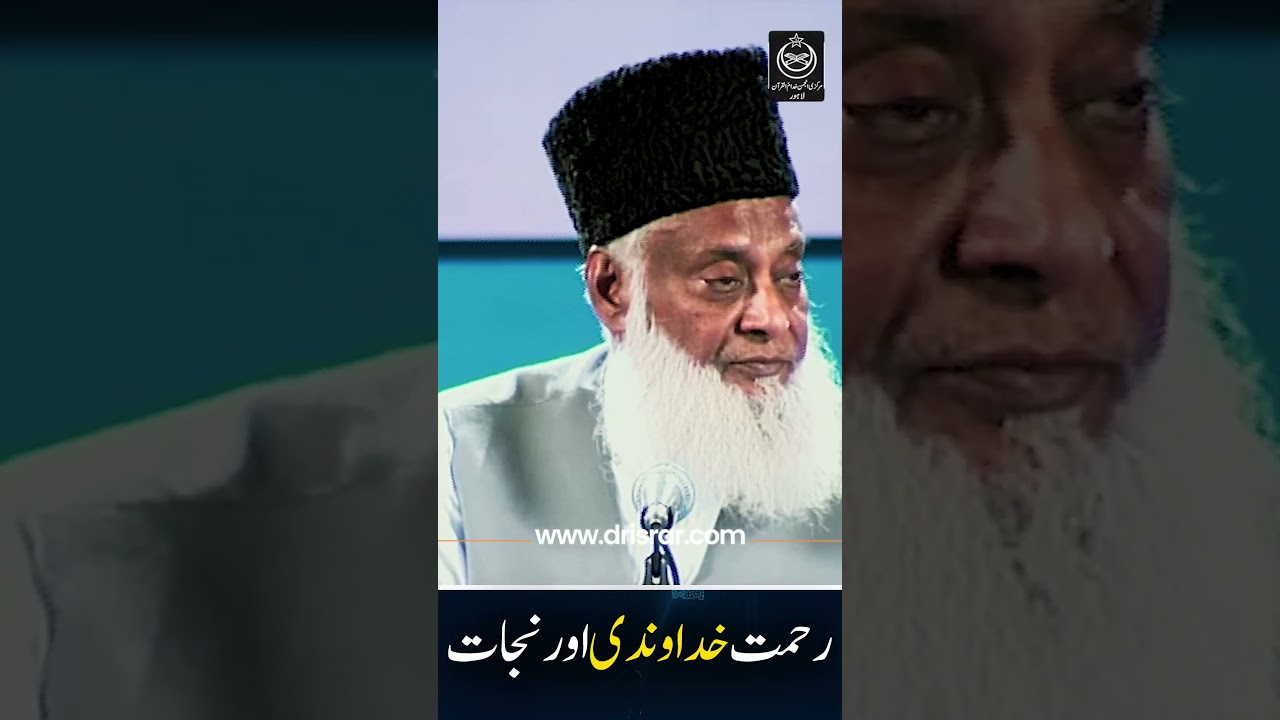
Salvation is not attainable through personal effort alone; it is contingent upon divine mercy, as all humans are prone to error. The Quranic verse emphasizes that while everyone makes mistakes, the best among them are those who sincerely repent. Achieving God’s mercy requires faith, righteous deeds, patience, and striving towards truth. It is a believer’s duty to exert their utmost effort in seeking divine favor, recognizing that ultimate salvation rests solely with God.
53

The essence of sacrifice lies in acknowledging Allah as the sole deity and submitting to Him. Without this spiritual connection, rituals like sacrifice, prayer, fasting, and pilgrimage become meaningless formalities. True devotion stems from a genuine relationship with Allah, transforming actions into sincere worship. The core of sacrifice is not merely the act itself, but the underlying recognition of God’s sovereignty and one’s complete surrender to His will. Without this internal state of piety, all external observances are rendered futile.
84

This lecture discusses the permissibility of a mutual aid system (Imdad Bahawi) specifically for financing Hajj pilgrimage or fulfilling other needs. The system involves contributions from members, and a lottery or similar method determines the order in which members receive funds. It's explained that this is not considered interest-based, as members are simply pooling their resources and receiving funds back in a predetermined order. The lecture highlights the benefit of receiving a lump sum of money, enabling recipients to pursue business ventures or fulfill essential needs.
63

This lecture details the historical development of Taraweeh prayers. Initially, the Prophet Muhammad (peace be upon him) led the congregation for only three nights, praying eight rak'ahs and combining it with Tahajjud. The practice of twenty rak'ahs connected to Isha prayer originated during the Caliphate of Umar ibn al-Khattab, an innovation aimed at unifying diverse congregations. While some, like the Ahl-e-Hadith, maintain the original eight rak'ahs, the majority of Sunni schools (Hanafi, Maliki, Shafi'i, Hanbali) follow Umar's practice, citing the principle of adhering to the traditions of the Prophet and the rightly guided Caliphs. This practice is also observed in the Haramain Sharifain. The lecture clarifies the historical context and differing viewpoints surrounding Taraweeh.
128

This lecture emphasizes that the completion of divine law through the Prophet Muhammad (peace be upon him) necessitates adherence for personal growth and fulfillment. It clarifies that Islamic law is not a burden but a guide for navigating life’s challenges, using the analogy of road signs on a dangerous mountain path. These signs, like the tenets of Shariat, are preventative measures designed to ensure safety and lead individuals towards the purpose for which they were created by God. The speaker highlights that restrictions within Shariat are not arbitrary, but rather safeguards for one’s wellbeing and spiritual development.
60
