Pantalones cortos

This lecture emphasizes the importance of inviting people to the path of God with wisdom, good counsel, and respectful debate. It highlights that delivering the message of God is a duty, best fulfilled through gentle persuasion and eloquent communication. The speaker stresses that even in disagreement, one must maintain a dignified and courteous approach.

43
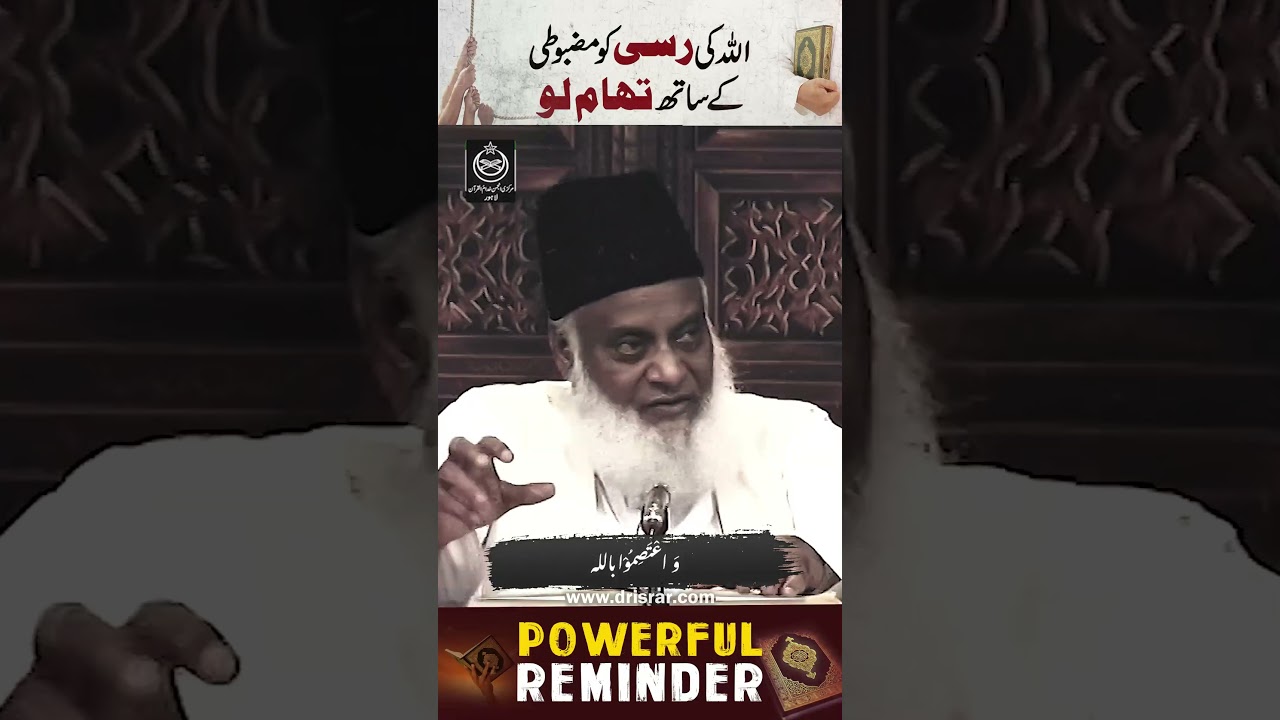
This lecture emphasizes the importance of establishing a strong connection with Allah. It highlights intention, consistent effort, and taking the first step towards spiritual growth. Prayer and charity are presented as foundational practices for progressing on this path. The speaker addresses the challenges and difficulties inherent in spiritual journeys, emphasizing the need to cling to Allah's guidance throughout the process.
48
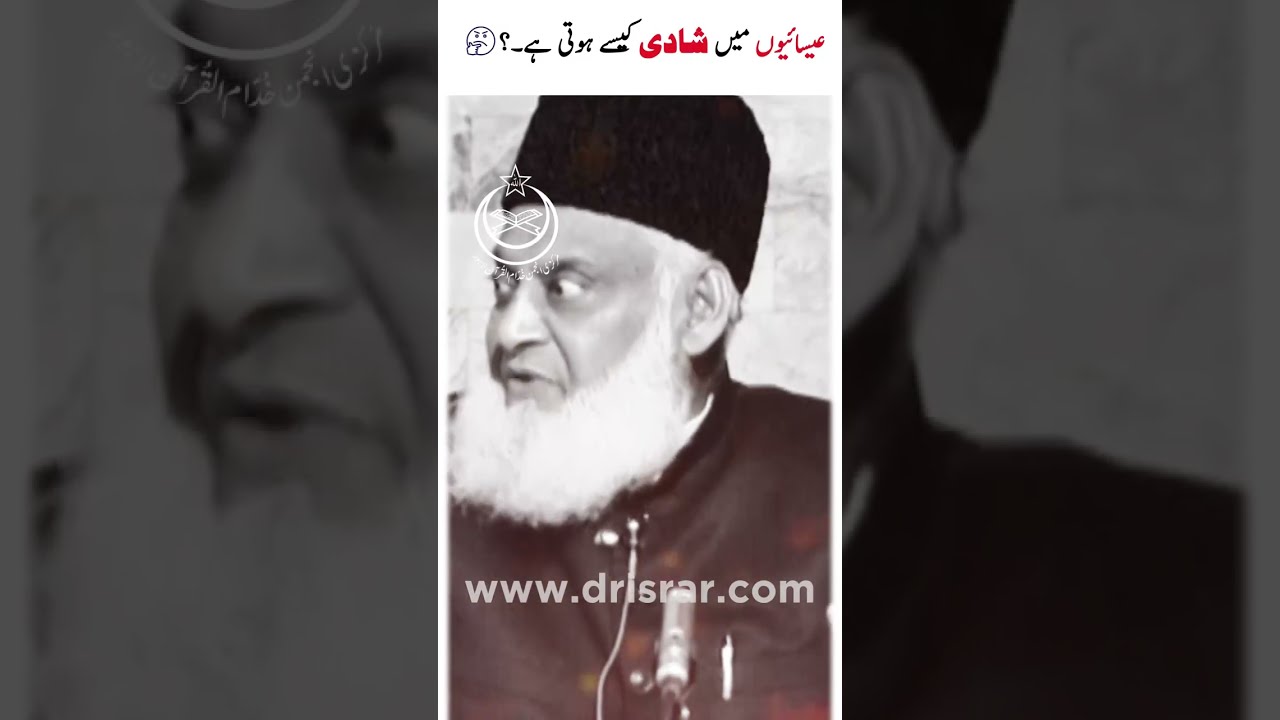
Dr. Israr Ahmad discusses the differences between Christian and Islamic marriage ceremonies. He highlights that in Christian weddings, the bride and groom stand face-to-face before the priest, openly professing their acceptance of each other. This contrasts with the Islamic practice where the bride and groom often remain somewhat secluded during the Nikah. He observes the respect afforded to the church and the priest within the Christian tradition, and contrasts this with the often-devalued position of the Imam or Nikah officiant in some Muslim communities. The lecture emphasizes the importance of dignity and reverence in religious practices.
68

This lecture clarifies that the home of the hereafter is reserved for those who abstain from seeking power, dominance, or causing corruption on Earth. It emphasizes that this reward is specifically for the righteous, those who prioritize piety and fear of God. The ultimate outcome and blessings of the afterlife are exclusively for the God-conscious, who will experience lasting peace and fulfillment through divine grace. The lecture highlights that true success lies not in worldly achievements but in cultivating inner righteousness and striving for God's pleasure.
61

A traveler lost in the desert, deprived of his camel, water, and provisions, despairs until, through divine intervention, his camel reappears. Overjoyed, he momentarily forgets his place before God, exclaiming God is his servant. This prompts a reflection on the immense joy God feels when a servant repents, exceeding the joy the servant experiences upon receiving a blessing. The story emphasizes God’s boundless mercy and the importance of humility.
58

This lecture clarifies the dangers of associating guardianship (wilaayat) with anyone other than Allah. It explains that basing friendships on expectation of future favors and performing wrong deeds for a friend’s sake, based on the hope of reciprocal help, is a flawed concept. True guardianship belongs to Allah alone; attributing it to others constitutes shirk. The speaker emphasizes that relying on someone's weakness or need for assistance as a basis for a relationship creates a dependency that contradicts the true meaning of devotion to Allah.
51
