Korte broek

This lecture emphasizes the importance of inviting people to the path of God with wisdom, good counsel, and respectful debate. It highlights that delivering the message of God is a duty, best fulfilled through gentle persuasion and eloquent communication. The speaker stresses that even in disagreement, one must maintain a dignified and courteous approach.

43
This lecture addresses the question of accountability for unintentional involvement with interest (riba). It clarifies that if someone unknowingly consumes something containing interest, they are not exempt from sin. However, the speaker proposes that sincere effort dedicated to establishing and strengthening religious practice can serve as expiation. The analogy of involuntary inhalation of dust is drawn; just as one cleanses their lungs, striving for faith cleanses the soul. The lecture emphasizes that consistent, dedicated work for the cause of religion is a valid form of atonement for unintentional transgressions.
62
Dr. Israr Ahmad explains that contemporary Urdu utilizes easily understood vocabulary rooted in common usage. He points out that words like ‘Asr’ (era/time) and ‘Khassara’ (loss) are well-established in Urdu. The lecture emphasizes that even words with Arabic origins are integrated naturally into the language, demonstrated by terms like ‘Iman’ (faith) and ‘Wasi’at’ (breadth). The discussion highlights the seamless blend of Arabic and Urdu, making the language accessible and relatable.
55
This lecture explores the importance of constant remembrance of God and the Beloved. It emphasizes focusing on every moment as potentially the last, urging listeners to dedicate each breath to seeking forgiveness and offering supplications. The speaker highlights a lack of genuine attention to spiritual matters and encourages a profound shift in perspective, advocating for complete devotion and surrender to the Divine. The discussion draws a parallel to Iqbal’s call for dismantling obstacles to spiritual enlightenment, suggesting a rejection of superficiality and a commitment to inner transformation.
22
The lecture elaborates on the significance of Laylat al-Qadr, stating its inherent greatness lies in the divine decree of all matters being finalized on this night. It addresses the question of whether the day following Laylat al-Qadr shares in its sanctity. Based on Arabic linguistic traditions, the terms 'day' and 'night' often encompass the full twenty-four-hour cycle, implying the subsequent day is also included within the blessing and importance of this sacred occasion. The lecture clarifies this understanding within the context of divine timing and decree.
47
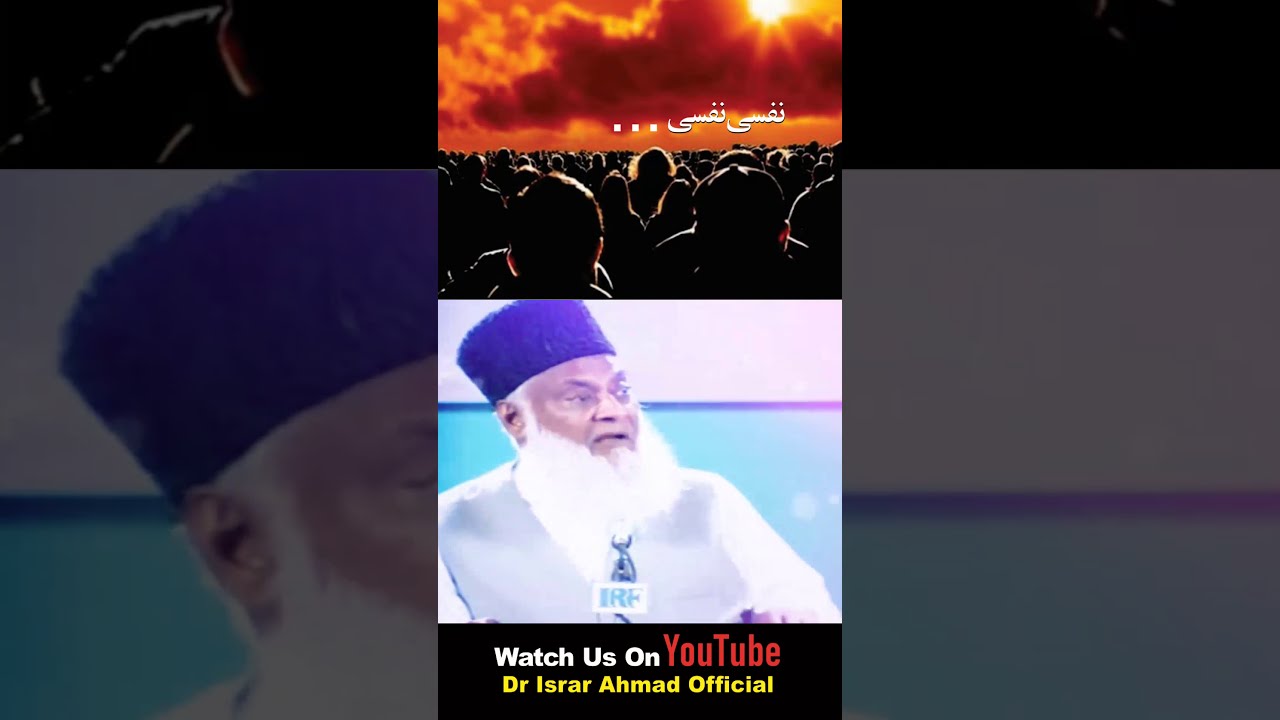
The Quran describes a day of immense hardship, 'Yaum-e-Farar,' where individuals will prioritize self-preservation above all else. On this day, familial and societal bonds will dissolve as people flee from loved ones—siblings, parents, spouses, and children—driven by intense fear and a desperate desire for personal salvation. The text highlights the complete breakdown of relationships and the overwhelming self-interest that will characterize this day of reckoning, where individuals will solely focus on escaping divine punishment.
95
