Corti

The common misconception that performing Hajj on a Friday is ‘Hajj Akbar’ is inaccurate. Originally, Arabs designated ‘Hajj Asghar’ for Umrah and ‘Hajj Akbar’ for the complete Hajj pilgrimage. The core meaning of ‘Hajj’ is intentional travel or journeying. Therefore, traveling for Umrah also constituted a ‘Hajj,’ albeit a lesser one. The Hajj performed during the designated days in Mecca is considered ‘Hajj Akbar.’ There is no additional merit to performing Hajj specifically on a Friday.

99
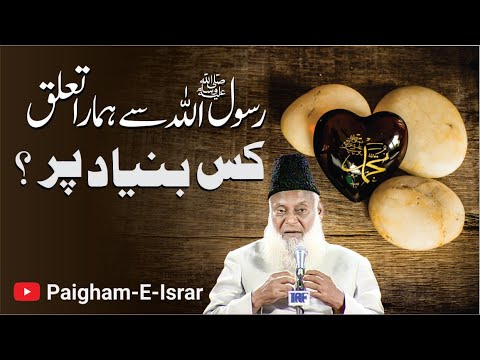
This lecture details the Prophet Muhammad’s (PBUH) unique mission, distinguishing it from those of previous prophets. The Prophet’s unwavering integrity, self-reliance, and dedication to establishing a complete system of life are emphasized. The discussion highlights the two phases of the prophetic mission: initial, common to all prophets (invitation to God, glad tidings, warnings), and the unique, comprehensive mission given to Muhammad (PBUH) – establishing a complete way of life based on divine guidance. The Quranic verses from Surah Taubah, Surah Safah, and Surah Fatah, which repeatedly emphasize this comprehensive mission, are referenced. The lecture underscores the Prophet’s unparalleled commitment to implementing a complete system of life, a responsibility not shared to the same extent by previous prophets.
63

This lecture details the Prophet Muhammad’s (peace be upon him) exceptional character, particularly his modesty and self-reliance. The narrative recounts how the Prophet never asked anyone for personal favors, even during the challenging time of migration to Medina. It highlights his foresight in preparing for the journey with the help of Hazrat Abu Bakr, ensuring swift transportation. The account further illustrates the Prophet’s humility, demonstrated by his willingness to perform even the simplest tasks himself, refusing to ask others for assistance. The lecture concludes with a powerful affirmation of support from his companions, declaring themselves ‘Ansarullah’ – helpers of God.
63

We live under the illusion of possessing faith when, in reality, we hold mere beliefs passed down through generations, a bundle of inherited convictions stored within our communities. True faith, or *iman*, is characterized by certain knowledge—knowledge of certainty, experiential certainty, and the certainty of truth. This certainty is a connection, a realization of being observed by God, a presence felt deeply. It encompasses belief in life after death, in Paradise and Hell, and the fundamental truth that true life resides in the afterlife.
53

This lecture discusses the transient nature of emotional turmoil and external influences. It emphasizes that intense feelings, like storms, eventually subside. Similarly, the impact of surroundings is temporary. The core message centers on the immediate necessity of repentance (toba) when one commits a wrong action due to heedlessness, passion, or environmental pressures. Genuine repentance, offered sincerely to God, leads to forgiveness. The speaker highlights that delaying repentance is unwise; sincere remorse erases sins. The lecture stresses that seeking forgiveness is a continuous process, particularly when succumbing to momentary weaknesses.
94
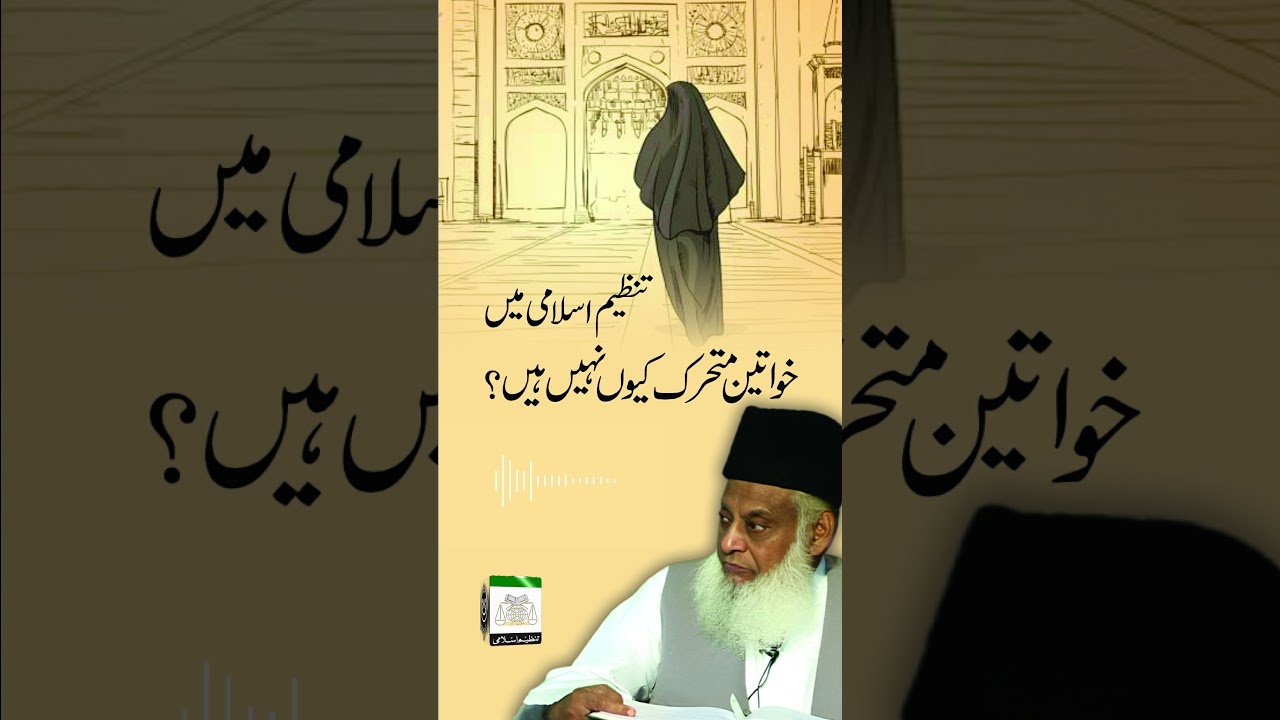
This lecture discusses the societal expectations placed upon women, particularly within a traditional framework. It highlights the prioritization of domestic responsibilities and the perceived conflict between these duties and external activities like preaching or political canvassing. The speaker emphasizes that a woman’s primary sphere of influence is her home, and while participation in other areas isn’t forbidden, it should not come at the expense of her familial obligations. The lecture addresses the potential for conflict when societal expectations clash with a woman's desire to engage in public life and suggests a balanced approach is necessary. It suggests that societal structures will naturally slow the pace of external activities for women prioritizing their homes.
89
