Shorts
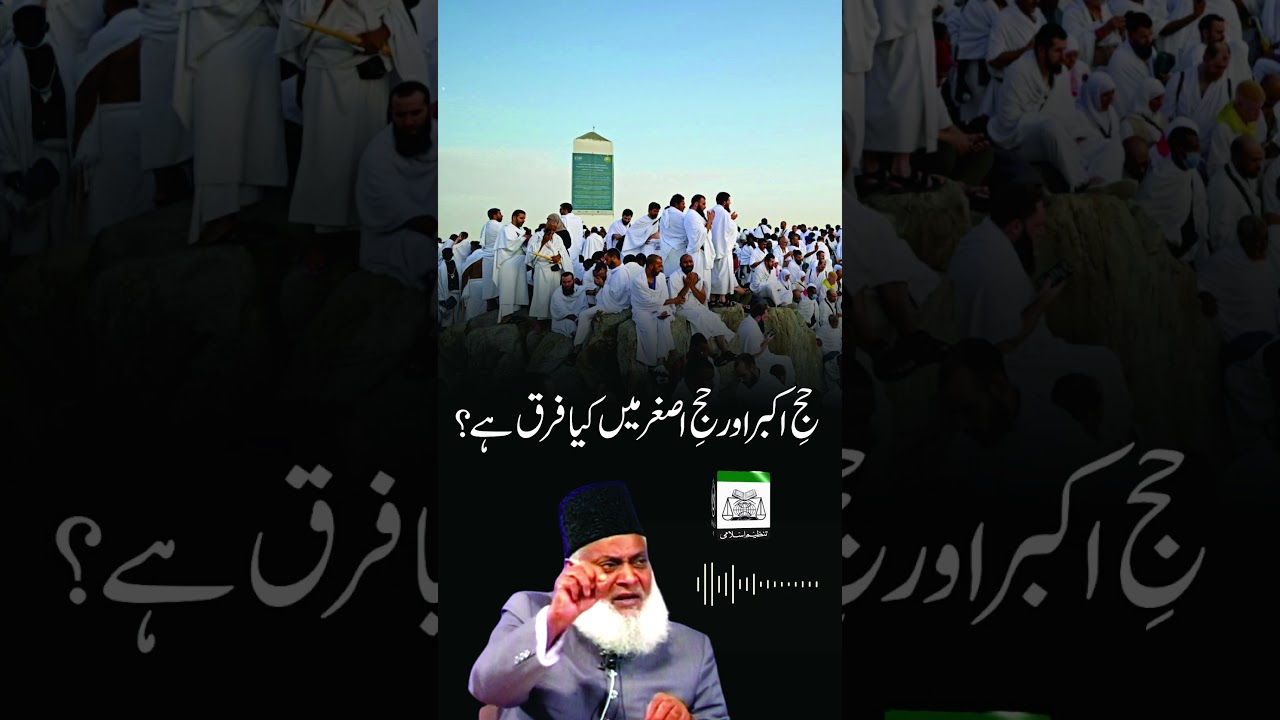
The common misconception that performing Hajj on a Friday is ‘Hajj Akbar’ is inaccurate. Originally, Arabs designated ‘Hajj Asghar’ for Umrah and ‘Hajj Akbar’ for the complete Hajj pilgrimage. The core meaning of ‘Hajj’ is intentional travel or journeying. Therefore, traveling for Umrah also constituted a ‘Hajj,’ albeit a lesser one. The Hajj performed during the designated days in Mecca is considered ‘Hajj Akbar.’ There is no additional merit to performing Hajj specifically on a Friday.

99

This lecture emphasizes prioritizing investment in the afterlife over worldly possessions. It explains that material wealth is vulnerable to loss and decay, whereas rewards in the afterlife are secure and immeasurably greater. The speaker contrasts the limited returns of earthly banks with the infinite blessings of divine investment. He warns against attachment to worldly wealth, which distracts the soul and hinders spiritual growth, and encourages listeners to focus on accumulating rewards that endure eternally. The lecture draws a parallel between where one’s wealth is stored and where one’s heart resides, suggesting that focusing on the afterlife frees the soul and draws it closer to God.
54

Human beings have a limited capacity for repentance and return to faith. As prejudice and obstinacy increase, individuals reach a point of no return, where their hearts are sealed by God. This sealing is not a sudden event but a gradual process resulting from consistent rejection, denial, and stubbornness. Once sealed, faith becomes impossible. This parallels the Quranic verse in Surah Baqarah, describing those who persistently reject guidance. The sealing affects their hearts, hearing, and vision, leaving them subject to divine punishment.
51
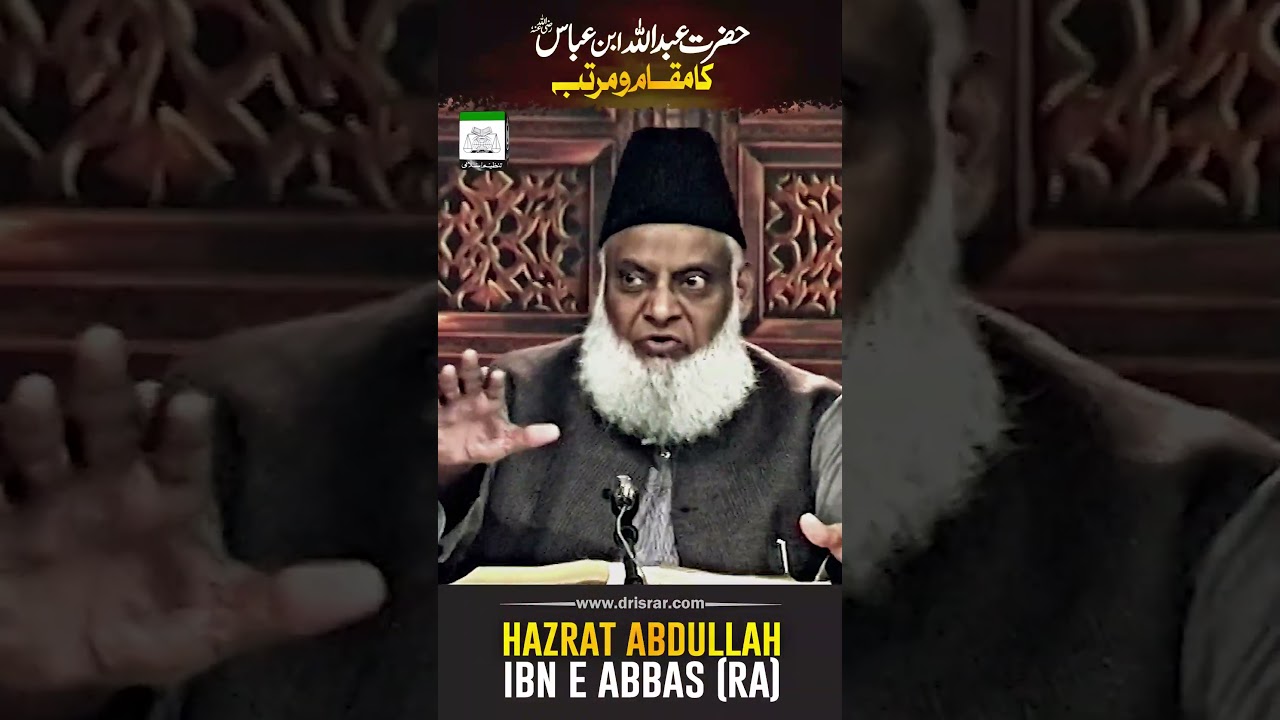
This lecture discusses the profound knowledge of Quranic interpretation possessed by Hazrat Abdullah Ibn Abbas, a prominent companion of the Prophet Muhammad. He received special prayers from the Prophet for understanding of religion and deep comprehension of the Quran. Abdullah Ibn Abbas is considered a leading authority on Tafsir, with a significant number of narrations attributed to him through his students like Mujahid and Ikramah. The term 'Habr', meaning a highly knowledgeable scholar, is explained in relation to his status as 'Habr al-Ummah', the scholar of the Muslim community. The lecture also clarifies the origin of the term 'Habr' and its historical context regarding scholars of other faiths.
102

The Quran was the instrument of revolution brought by the Prophet Muhammad (peace be upon him). It transformed minds, altered beliefs, and reshaped value systems. Before, life was the most cherished possession; now, martyrdom is the most welcomed. This revolution, initiated by a single individual, prioritized striving in the way of God over material gain. Surah Al-Furqan emphasizes the directive to not heed the disbelievers and to wage a great struggle through the Quran. The Quran itself was the greatest sword in the hands of the Prophet Muhammad (peace be upon him).
97

Everything in the heavens and the earth glorifies Allah. While remembrance and praise are fundamental acts of worship, humanity—especially those entrusted with stewardship of the earth—is called to a higher purpose. True faith demands action: striving to establish divine guidance and elevate the word of God. Believers must move beyond mere declaration of faith to actively work towards the triumph of God’s message. This entails dedication and sacrifice in upholding and promoting the principles of Islam.
47
