Kratke hlače
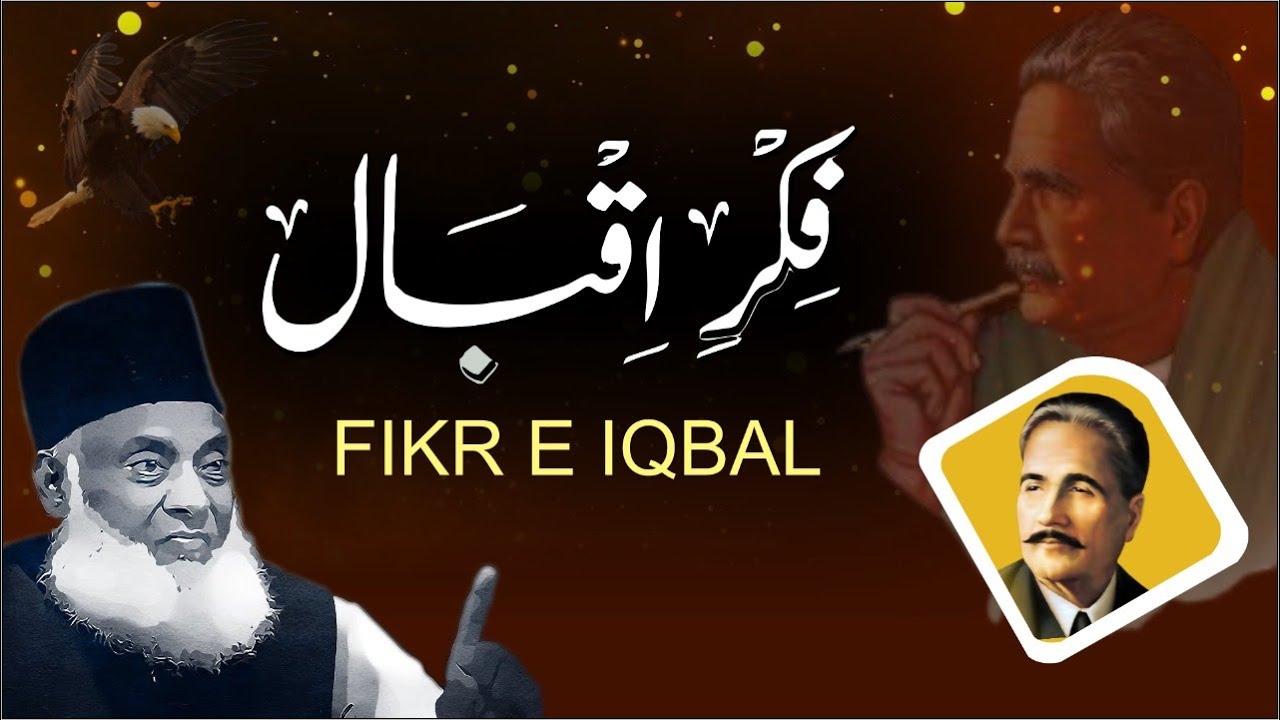
Iqbal critically analyzed modern ideologies, identifying inherent dangers within them. He particularly opposed nationalism (wataniyat) as a political concept, viewing it as a new form of idolatry that overshadows faith. He contrasted the spiritual unity of Islam with the divisive nature of national identities. Iqbal saw secularism and nationalism as major threats—forms of shirk (polytheism) and kufr (disbelief)—and materialism as the defining characteristic of contemporary civilization. He argued that true strength lies in adhering to the principles of Tawhid (Oneness of God) and embracing Islam as a complete way of life.

72
This lecture explores the critical connection between mindful prayer and genuine spiritual transformation. The speaker explains that rote recitation without internal presence renders prayer ineffective. A wandering mind, preoccupied with worldly concerns, prevents the experience of divine connection. True prayer requires focused attention, a conscious awareness of standing before God, and a heartfelt submission. Only when the mind and heart are fully engaged does prayer become a powerful force for character building and positive change. The speaker emphasizes that a distracted mind will fill with anxieties and worldly matters, negating the spiritual benefits of prayer. The essence of prayer lies in experiencing a direct connection with the Divine.
75
The Quran is uniquely preserved compared to all other texts. The world’s scholars acknowledge this fact. Every letter and pronunciation within the various recorded recitations – Sab’a Qira’at and ‘Ashara Qira’at – is meticulously documented, detailing even the use of *zabar* or *zir* for each word. The official text was standardized by Hazrat Uthman (RA), a significant service to the Muslim community. This preservation extends to the precise documentation of variations in recitation, ensuring the integrity of the divine text.
57
The speaker addresses the issue of innovation in religious practice (bid’ah) versus adherence to the Sunnah. He critiques the performance of rituals without understanding or intention, specifically highlighting the decline in the proper observance of funeral prayers and supplications. He argues that many practices have deviated from the Prophet’s teachings and the example of the Companions, leading to a superficiality in worship and a loss of spiritual benefit. The speaker emphasizes that actions performed without divine command are unacceptable and warns against the dangers of adding to religious practices beyond what was prescribed.
47
Khilafat, at its core, represents the implementation of oneness (tauheed) at a governmental level. It signifies the elimination of shirk (polytheism) in all its forms. Shirk manifests not only in belief but also subtly through hypocrisy and impure intentions. The most significant form of shirk, however, is the assertion of authority by anyone other than Allah. Sovereignty and the right to govern belong exclusively to Allah. Establishing a Khilafat system, therefore, is to implement tauheed in governance, rejecting any claim to authority outside of divine decree.
73
This lecture details the rulings surrounding I'tikaf during the last ten days of Ramadan. It clarifies that I'tikaf begins after the completion of the first twenty nights and continues until the sighting of the new moon marking the start of Shawwal. The lecture specifically addresses the prohibition of marital relations for those observing I'tikaf within the mosque, while permitting visitation from spouses for necessary consultation. The wisdom behind these rulings will be discussed further.
84
