Shorts
Iqbal critically analyzed modern ideologies, identifying inherent dangers within them. He particularly opposed nationalism (wataniyat) as a political concept, viewing it as a new form of idolatry that overshadows faith. He contrasted the spiritual unity of Islam with the divisive nature of national identities. Iqbal saw secularism and nationalism as major threats—forms of shirk (polytheism) and kufr (disbelief)—and materialism as the defining characteristic of contemporary civilization. He argued that true strength lies in adhering to the principles of Tawhid (Oneness of God) and embracing Islam as a complete way of life.

72
This lecture discusses the historical and cultural significance of veiling practices, specifically addressing a hadith about a woman who approached the Prophet Muhammad (peace be upon him) after the martyrdom of her son. The speaker contrasts traditional Islamic concepts of modesty and privacy with modern, Westernized norms. He emphasizes the importance of maintaining boundaries within the home and the distinction between spaces for women and men, highlighting how these practices reflect a commitment to modesty and dignity even in times of grief. The discussion also points to the historical context of veiling as a marker of respectability and cultural identity, contrasting it with later interpretations. The speaker underscores that a dignified life, even after loss, is a cornerstone of Islamic culture.
147
Dr. Israr Ahmad discusses the pervasive influence of immoral culture and its detrimental effects on society. He highlights how obscenity is being normalized and propagated through media, infiltrating even private homes. The lecture emphasizes the urgent need to recognize and address this growing crisis, as it threatens the moral fabric of communities and families. Dr. Ahmad critiques the deceptive branding of immorality as something acceptable, and warns against its insidious spread.
70
This lecture explores the profound and ineffable status of Prophet Muhammad (peace be upon him). Dr. Israr Ahmad cautions against attempting to fully comprehend or articulate this status, emphasizing its transcendence of human understanding. He draws a parallel to a rural man’s limited worldview, represented by his highest reference point being a local land administrator, to illustrate the human inability to grasp divine realities. The speaker highlights that any attempt to define the Prophet’s status risks diminishing it, and true reverence lies in acknowledging its sacredness and submitting to divine knowledge.
68
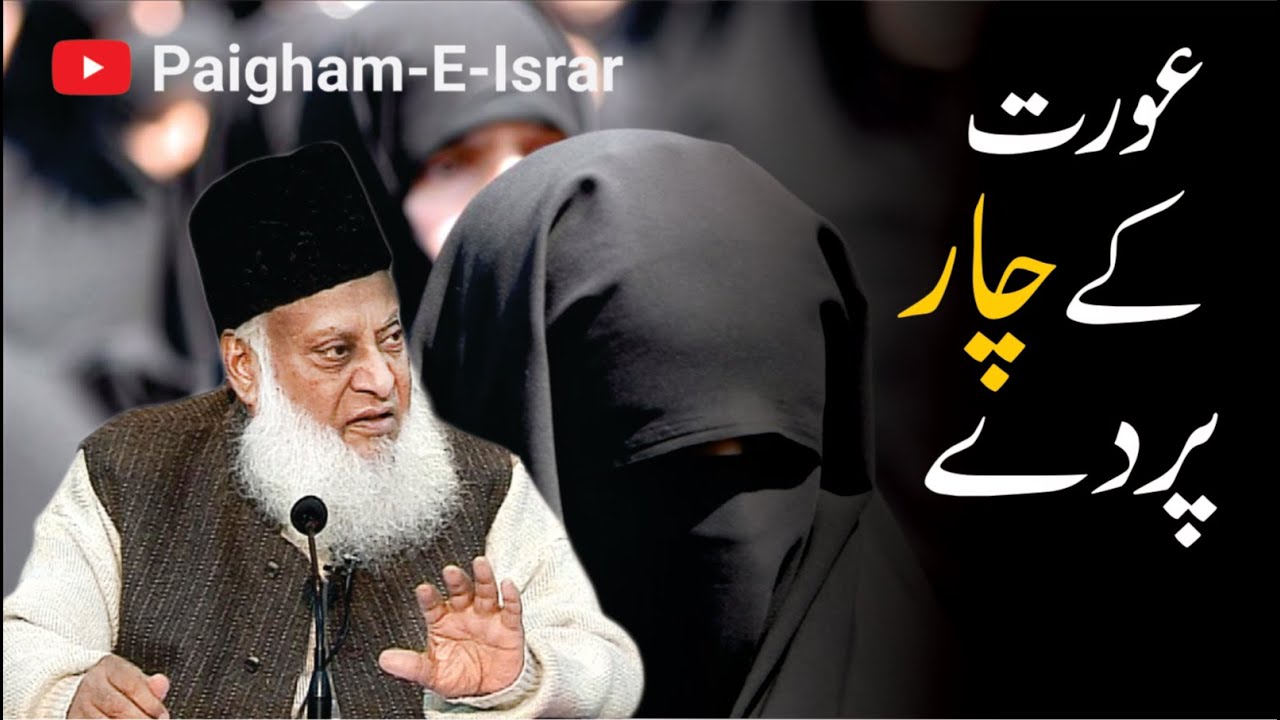
This lecture details the four levels of modesty (pardah) prescribed in Islam. The first level involves segregation of genders in social settings. The second concerns appropriate attire when leaving the home, evolving from the jilbab to the burqa for increased ease and protection. The third level restricts access to the home to only close male relatives (mahram). Finally, the fourth level mandates covering the entire body even before mahram relatives, leaving only the face, hands, and feet exposed. The speaker emphasizes that these principles are being eroded in modern times, representing a deliberate attack on Islamic teachings.
71
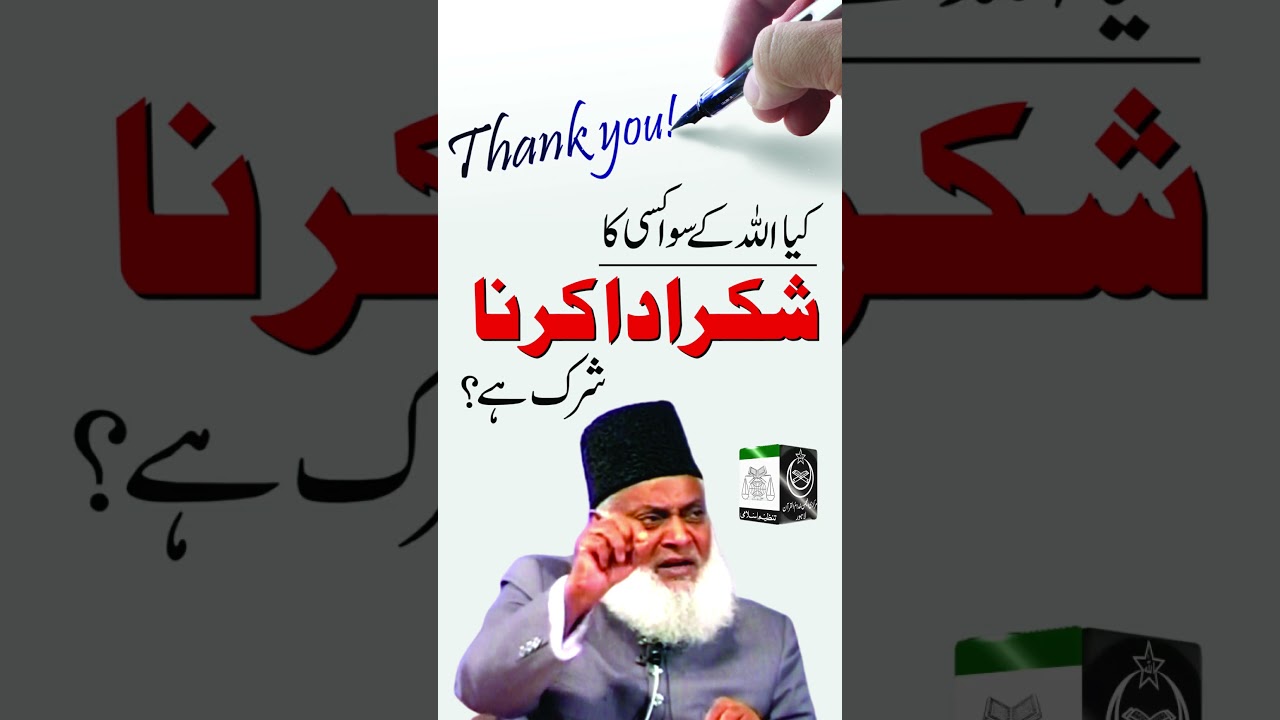
All praise and gratitude ultimately belong to Allah, as He is the source of all blessings. Expressing gratitude to others is permissible, but one must remember that the ability to give, and the gifts themselves, originate from Allah. Failing to acknowledge this ultimate source is a form of ingratitude. The Prophet Muhammad (peace be upon him) emphasized that those who do not thank people do not thank Allah. Therefore, gratitude towards others should be coupled with the understanding that all goodness comes from Allah.
24
