Shorts
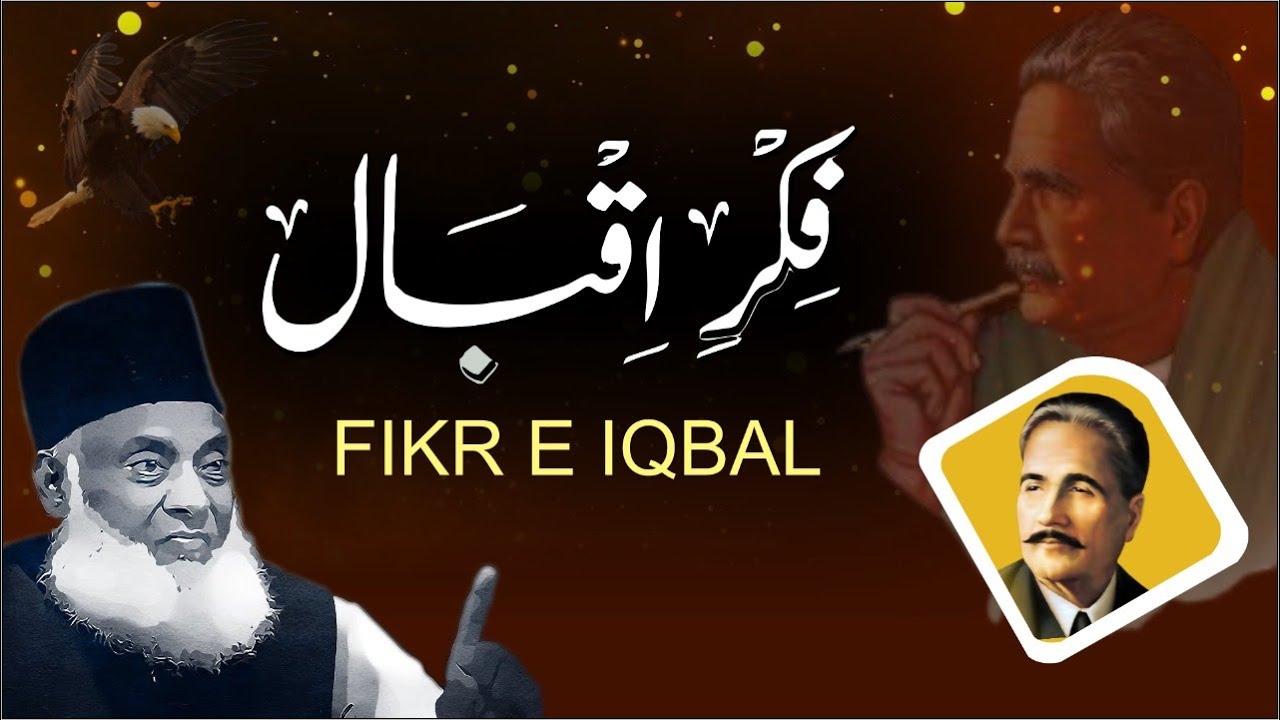
Iqbal critically analyzed modern ideologies, identifying inherent dangers within them. He particularly opposed nationalism (wataniyat) as a political concept, viewing it as a new form of idolatry that overshadows faith. He contrasted the spiritual unity of Islam with the divisive nature of national identities. Iqbal saw secularism and nationalism as major threats—forms of shirk (polytheism) and kufr (disbelief)—and materialism as the defining characteristic of contemporary civilization. He argued that true strength lies in adhering to the principles of Tawhid (Oneness of God) and embracing Islam as a complete way of life.

72

Dr. Israr Ahmad discusses the historical significance of Prophet Muhammad (peace be upon him). He references Dr. Michael Hart’s book, *The 100*, which ranks Prophet Muhammad as the most influential figure in human history. The lecture highlights the revolutionary impact of the Prophet’s life and teachings, establishing him as a pivotal figure who reshaped the course of history. Dr. Hart’s research involved selecting one hundred of the most influential individuals throughout history and ranking them based on their impact, ultimately placing the Prophet Muhammad at the top.
40
The core concept of *La Ilaha Illallah* is the absolute Oneness of God. It signifies that there is no deity worthy of worship except Allah. This declaration demands complete devotion and the recognition of Allah as the sole object of love, desire, and worship. True *Tawhid* (Oneness of God) necessitates that all other loves and desires are subordinate to the love of Allah, leaving no independent beloved except Him. The essence of *Tawhid* lies in recognizing Allah as the only true and ultimate beloved, stripping away all other competing affections.
87
This lecture explores the human condition as a test between spiritual enlightenment and worldly allure. The metaphor of a moth drawn to a flame represents the soul’s journey. One path leads to divine favor and eternal reward, while the other, captivated by the transient beauty of the world, results in loss. True success lies in prioritizing spiritual truths and the eternal blessings of the afterlife over fleeting worldly pleasures. The core message is a call to self-reflection and a conscious choice towards divine guidance.
78
The text details the historical origins of sectarian division between Shia and Sunni Muslims, attributing it to Abdullah Ibn Saba, a figure who emerged during the early Islamic period. Ibn Saba is accused of falsely claiming divine status for Hazrat Ali, sparking discord and ultimately laying the foundation for the Shia-Sunni split. He presented himself to Hazrat Ali and his followers, proclaiming him God, and even offered to be burned alive as a test of faith, a claim Hazrat Ali rejected and threatened with punishment. The text asserts this event is the root cause of the ongoing division.
85
This lecture emphasizes the importance of fulfilling one’s obligations to relatives, particularly widows and orphaned children. It stresses prioritizing the rights of those most deserving, especially when dealing with family disputes and potential grievances. The speaker advocates for giving with sincerity, solely for the pleasure of God, and acting justly towards all, even those who may be antagonistic. Prioritizing divine acceptance over personal vengeance is central to the message. It calls for fulfilling obligations and addressing the needs of those deprived of support.
46
