Shorts
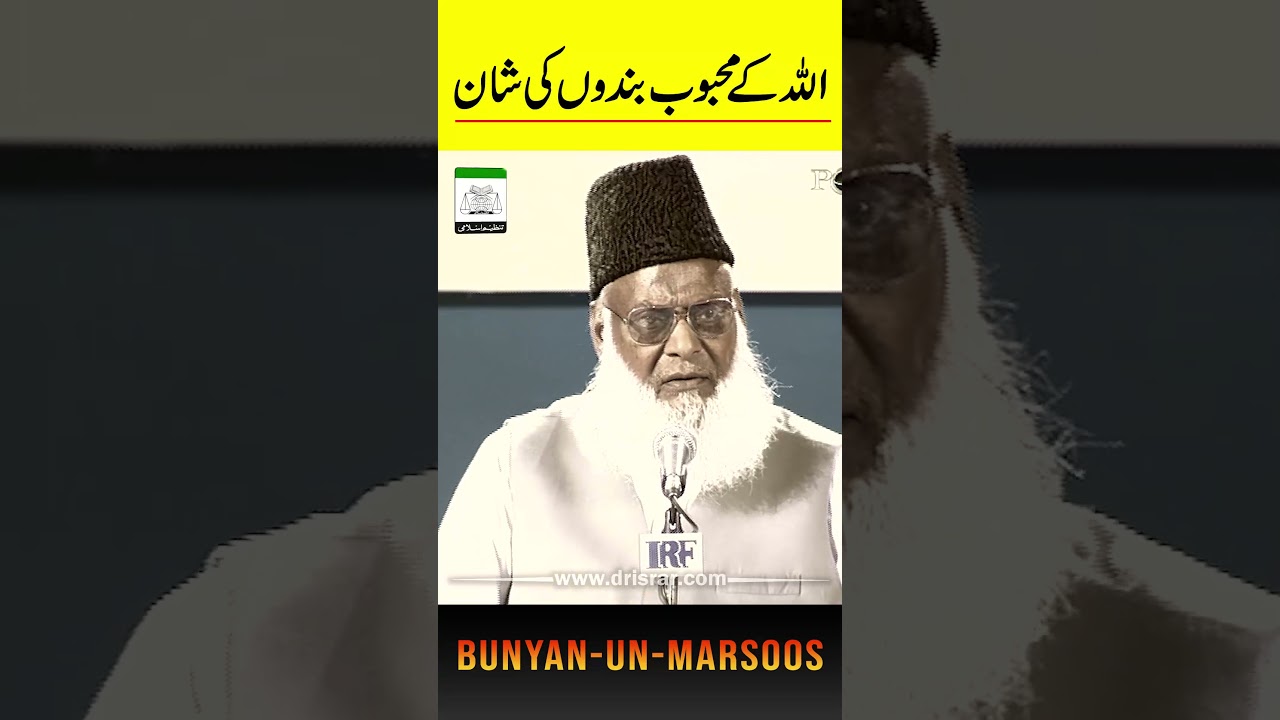
This lecture explores the concept of unwavering faith and dedication to God’s path, drawing a parallel to a solid, impenetrable wall. Dr. Israr Ahmad explains that true believers stand firm in their commitment, united and resolute, much like a wall reinforced with concrete. He references Iqbal's poetry to illustrate the courage and strength of those who fight for their faith, highlighting that God loves those who strive in His cause, standing together as an unbreakable force. The lecture emphasizes that this steadfastness is the key to attaining divine favor and recognition.

65

Life is a continuous progression towards death, with each heartbeat bringing us closer to our graves. The value of time is paramount, and the heart should be refined and improved with every passing moment. This lecture emphasizes the importance of recognizing life’s fleeting nature and striving for spiritual betterment. It underscores that improving oneself – refining the heart – is the most valuable use of the time we are given, as time itself is constantly moving towards its inevitable conclusion. Each beat of the heart is a reminder of our mortality and an opportunity for self-improvement.
51
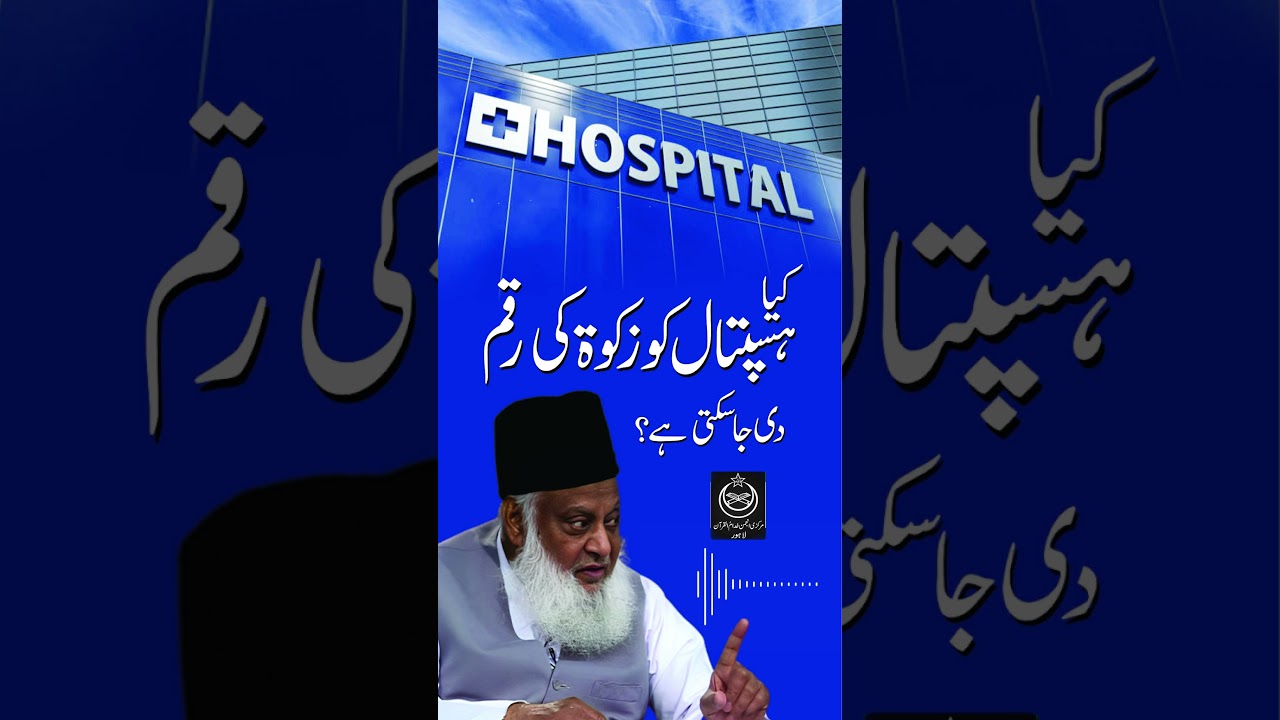
Dr. Israr Ahmad discusses the proper disbursement of Zakat funds according to Hanafi jurisprudence. He emphasizes that Zakat should either be collected by the government or directly distributed to eligible recipients, ensuring they become the owners of the funds. He raises concerns about institutions receiving Zakat without direct ownership by the intended beneficiaries. He proposes that if the government allocates Zakat to hospitals, access to free services should be limited to those eligible for Zakat, with a fee structure in place for others. He also addresses the practice of government grants to madrassas, suggesting transparency in directing funds to eligible students. He requests understanding on this sensitive issue to avoid unnecessary controversy.
122
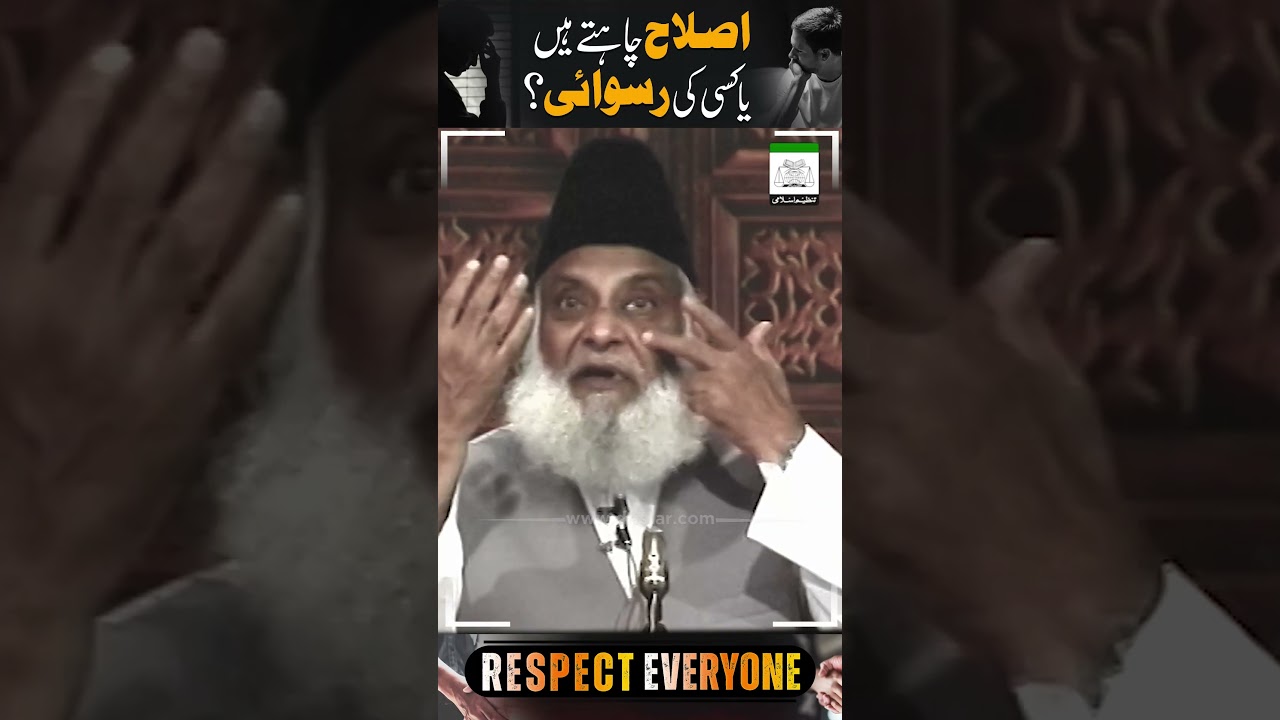
This lecture discusses the proper method of offering advice to fellow Muslims. It emphasizes that correction should be done privately and with good intentions, focusing on helping the individual improve without causing public embarrassment or damaging their reputation. The speaker stresses the importance of Muslims acting as mirrors for one another, gently pointing out flaws with the aim of betterment, not humiliation. The core principle is to offer guidance with sincerity and a desire for the other person’s well-being, fostering a supportive and constructive environment.
61

This narrative recounts the brutal torture inflicted upon Hazrat Samia and Hazrat Yasir, early converts to Islam, by Abu Jahl. Despite relentless physical abuse, including being tied to pillars and subjected to intense pain, they refused to renounce their faith. Abu Jahl offered to spare Hazrat Samia's life if she acknowledged the divinity of an idol, but she spat at it, intensifying his wrath. The account highlights their unwavering commitment to Islam in the face of extreme adversity and the prophetic announcement of their eventual reward in paradise, delivered by the Prophet Muhammad (peace be upon him).
57
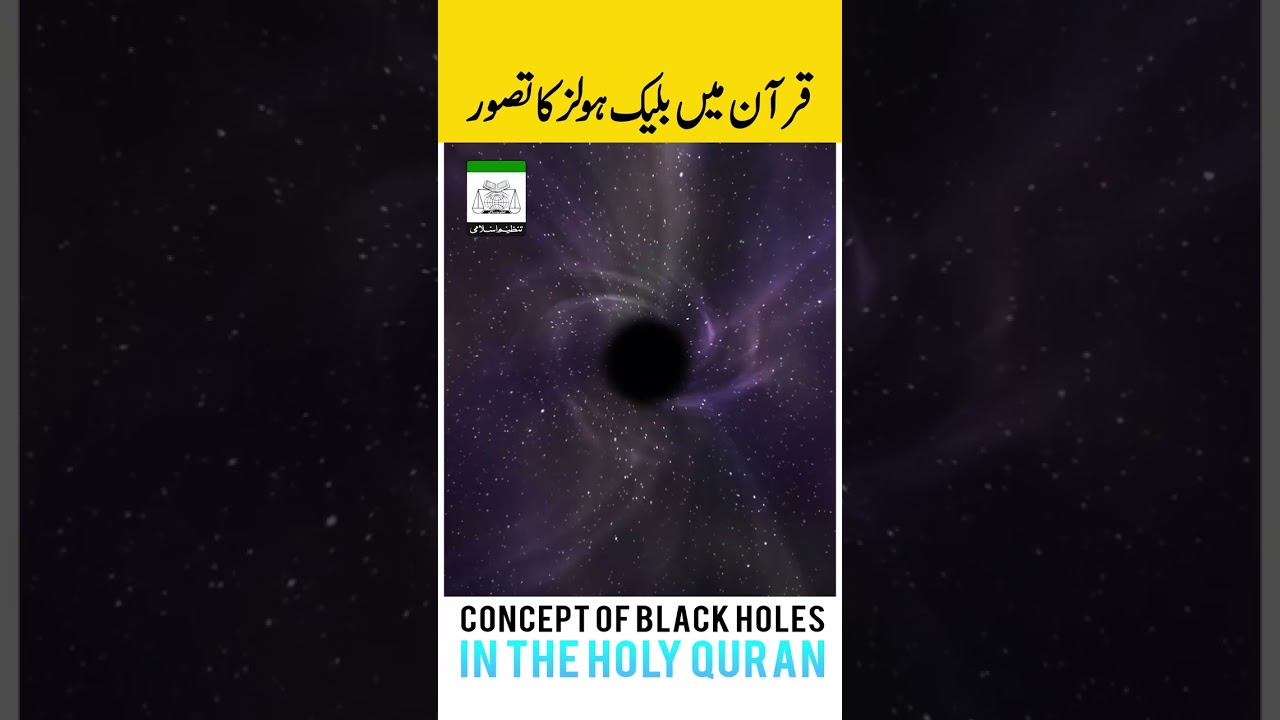
This lecture explores the astronomical significance of stars and galaxies, specifically addressing their eventual decline and disappearance. It posits that the setting of stars isn't merely a physical event but a profound cosmic process. The passage highlights the vastness of space and the eventual fate of even massive galaxies, suggesting a cyclical pattern of creation and destruction. It emphasizes the immensity of the universe and the eventual disappearance of galaxies, not just stars. This is a deep exploration of cosmic phenomena and their philosophical implications.
72
