ショーツ
This lecture explores the concept of unwavering faith and dedication to God’s path, drawing a parallel to a solid, impenetrable wall. Dr. Israr Ahmad explains that true believers stand firm in their commitment, united and resolute, much like a wall reinforced with concrete. He references Iqbal's poetry to illustrate the courage and strength of those who fight for their faith, highlighting that God loves those who strive in His cause, standing together as an unbreakable force. The lecture emphasizes that this steadfastness is the key to attaining divine favor and recognition.

65
Every conscious human being has a purpose, an ideal, or an inspiration in life. They strive to achieve this ideal through effort and perseverance. A person without purpose is akin to an animal, living solely on instinct and fulfilling basic needs like eating and reproduction. Animals exist based on instinct, lacking a higher purpose. Such a life is considered base. The Quran emphasizes that a life devoid of purpose is animalistic. True humanity lies in having a defined goal and striving towards it.
97

Taghut refers to anything that transgresses the boundaries of worship and obedience to God. It originates from ‘tagha’, meaning to exceed limits. When something, be it an individual, institution, or state, oversteps the bounds of devotion intended solely for God, it becomes Taghut. This lecture defines Taghut as any entity that demands allegiance and submission outside of God’s commands. It emphasizes that the essence of worship is submission within defined limits, and exceeding these limits constitutes an act of Taghut. The concept extends beyond individuals to encompass systems and ideologies that usurp divine authority and demand absolute obedience, leading to a deviation from true worship.
52
True piety and attaining spiritual elevation require sacrificing cherished possessions for the sake of others. Mere scholastic achievement—be it as a scholar, ascetic, jurist, or interpreter—is insufficient without genuine selflessness and dedication to virtuous deeds. Spiritual progress is impossible without practical demonstration of faith through giving and compassion. Achieving the station of *birr* demands a commitment that surpasses intellectual understanding and manifests in tangible acts of kindness and generosity. The lecture emphasizes that superficial religious observance lacks merit without a sincere transformation of the heart and a commitment to giving from what one loves.
50
This lecture clarifies the Islamic obligation of Hajj for those with the means to perform it. It emphasizes that Hajj is a right of Allah upon those who are physically and financially able, and delaying it after fulfilling the necessary conditions constitutes a grave sin. The discussion frames Hajj not merely as a religious act, but as a debt owed to Allah, requiring immediate fulfillment once capacity exists. The lecture underscores the importance of providing for dependents during the period of pilgrimage, highlighting the complete preparation needed for this sacred journey.
69
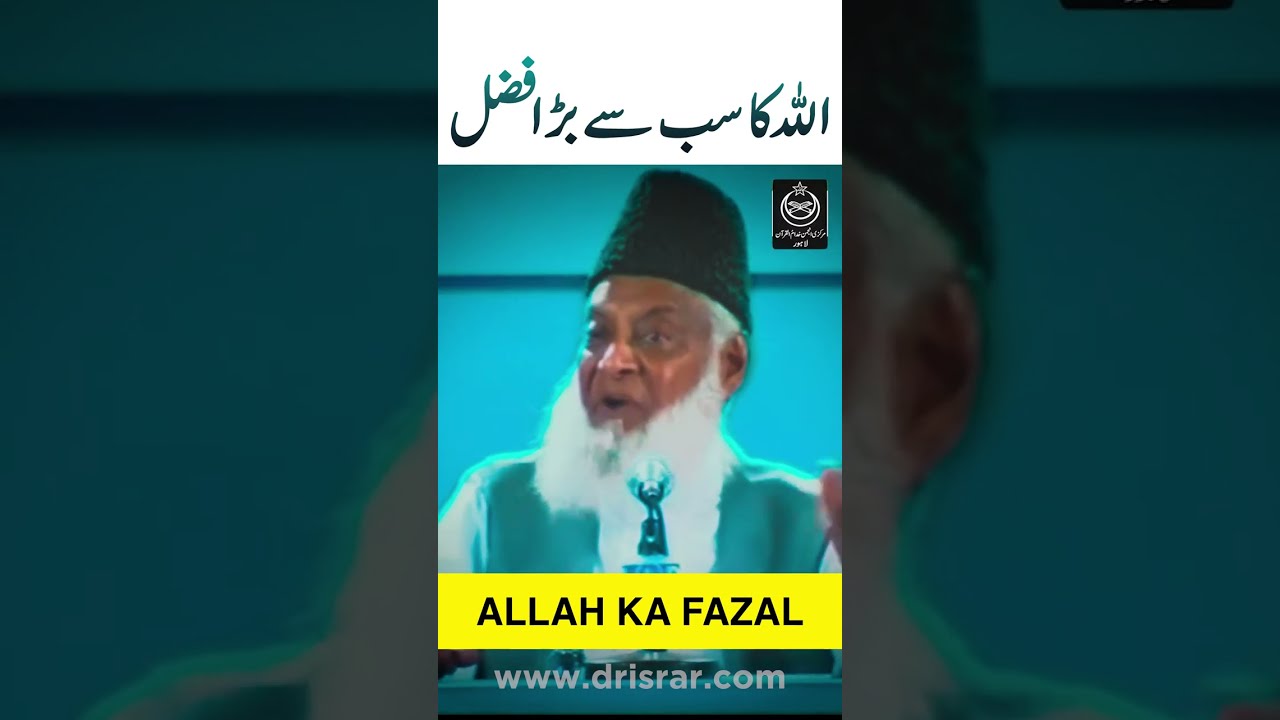
This lecture emphasizes that the Quran is a gift from Allah, representing His grace and mercy. It is a source of guidance in this world and a promise of mercy in the hereafter. The speaker highlights its immeasurable value, surpassing all worldly possessions like wealth, property, and material comforts. The Quran provides true joy and fulfillment, exceeding the satisfaction derived from accumulating possessions or building luxurious homes. It is a treasure that should be cherished and celebrated.
68
