Calção
This lecture explores the concept of unwavering faith and dedication to God’s path, drawing a parallel to a solid, impenetrable wall. Dr. Israr Ahmad explains that true believers stand firm in their commitment, united and resolute, much like a wall reinforced with concrete. He references Iqbal's poetry to illustrate the courage and strength of those who fight for their faith, highlighting that God loves those who strive in His cause, standing together as an unbreakable force. The lecture emphasizes that this steadfastness is the key to attaining divine favor and recognition.

65
This lecture discusses the permissibility of stock market transactions in Islam. It clarifies that legitimate trade involves the actual exchange of goods, while stock trading, often based on speculation, resembles gambling. Direct purchase and sale with actual monetary exchange and receipt of shares is considered different. The speaker highlights the concerns surrounding speculative trading and its potential conflict with Islamic principles.
86
This lecture discusses the concept of personal allegiance (bayat) within a communal framework. It argues that a strong and cohesive group requires confidence in its leader, beyond mere adherence to a constitution or procedure. The speaker contends that while not forbidden, personal allegiance is less preferable to a system based on mutual trust and demonstrated leadership. He cites historical precedent and Quranic/hadith support for this position, contrasting it with a practice that emerged more recently. The core argument centers on the importance of genuine confidence in leadership for a functional and effective collective.
50
This lecture explores the concept of spiritual and emotional healing as presented in the Quran, specifically referencing verses from Surah Yunus. It identifies the root causes of spiritual ailments – including disbelief, polytheism, arrogance, envy, and excessive attachment to worldly possessions like wealth, status, children, and life itself. The lecture emphasizes that these attachments are instigated by Satan and are the source of inner turmoil. It posits that true healing comes through recognizing and detaching from these harmful inclinations, leading to inner peace and spiritual well-being.
51
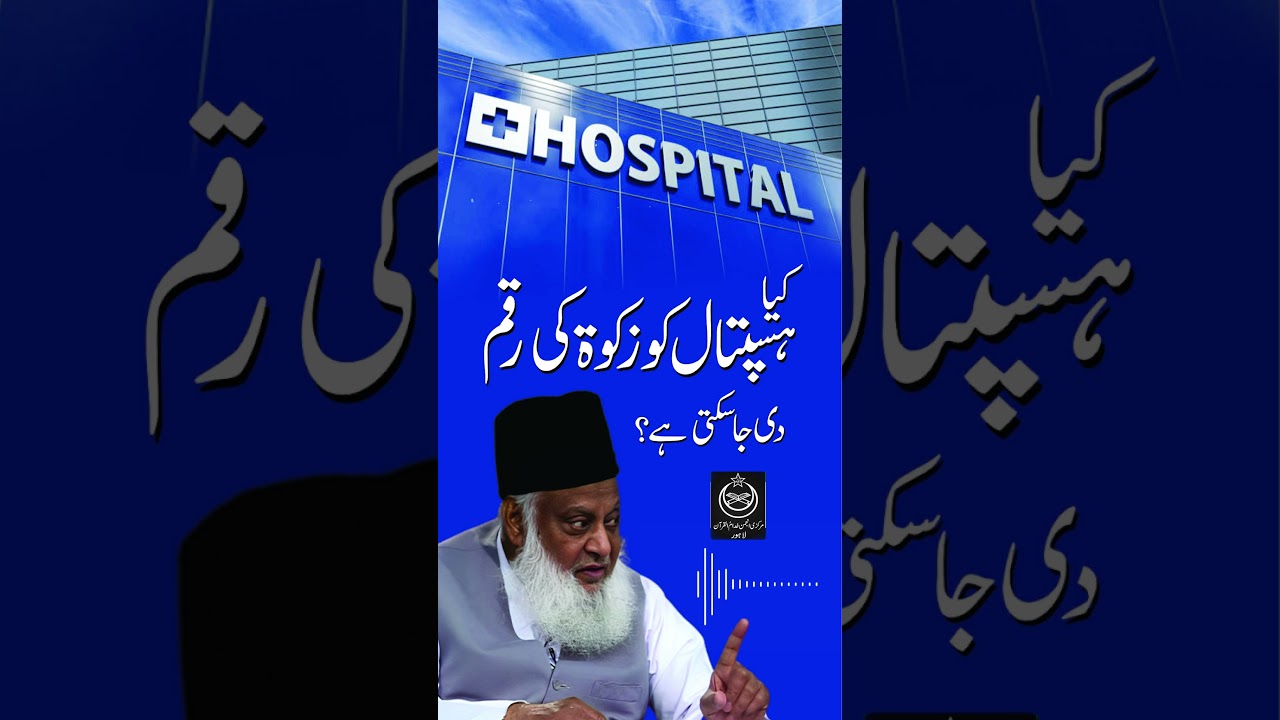
Dr. Israr Ahmad discusses the proper disbursement of Zakat funds according to Hanafi jurisprudence. He emphasizes that Zakat should either be collected by the government or directly distributed to eligible recipients, ensuring they become the owners of the funds. He raises concerns about institutions receiving Zakat without direct ownership by the intended beneficiaries. He proposes that if the government allocates Zakat to hospitals, access to free services should be limited to those eligible for Zakat, with a fee structure in place for others. He also addresses the practice of government grants to madrassas, suggesting transparency in directing funds to eligible students. He requests understanding on this sensitive issue to avoid unnecessary controversy.
122
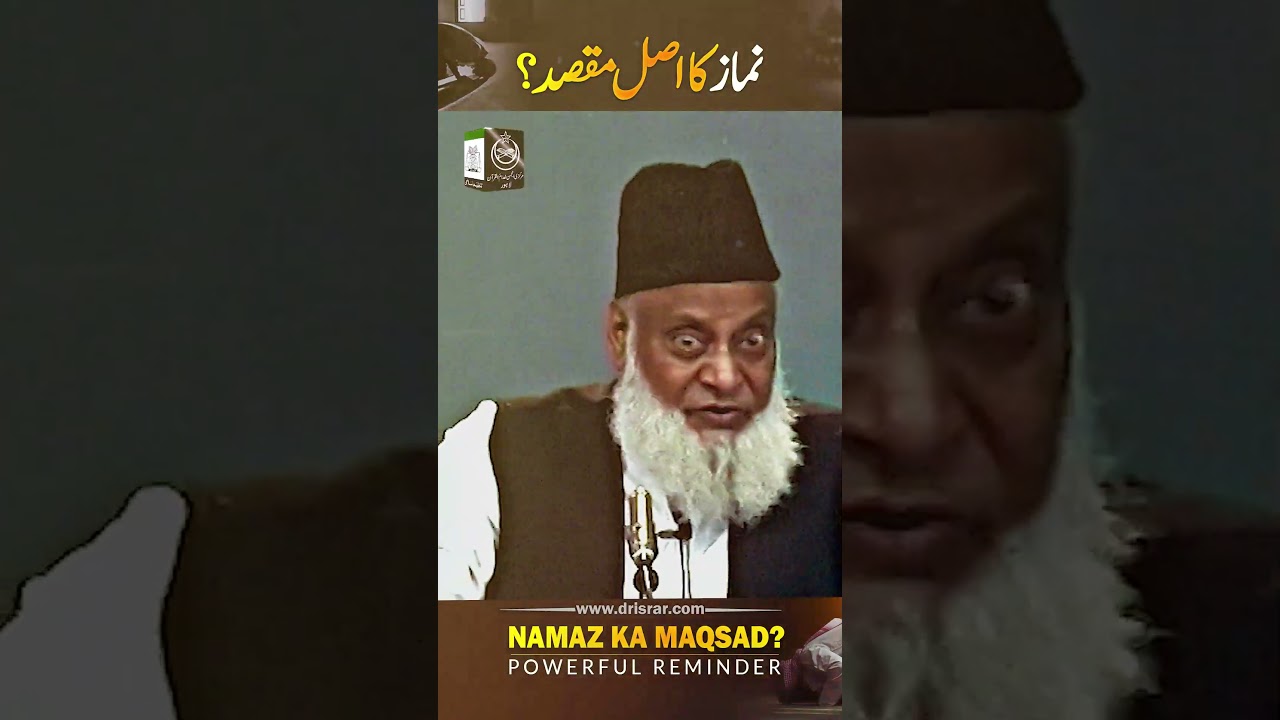
True prayer transcends ritual; it’s a direct communion with God achieved when the soul awakens. This lecture emphasizes that merely performing the actions of prayer—recitation and physical movements—is insufficient. Real connection occurs when one feels present before God, experiencing a sense of humility and closeness akin to placing one’s head in God’s lap. If the soul is dormant, oppressed, or dead, genuine prayer cannot occur, regardless of adherence to schedules or outward displays of devotion. Awakening the soul and establishing direct communication with God is the essence of achieving the spiritual elevation that prayer promises.
69
