Kratke hlače

The word ‘Sawm’ (fasting) fundamentally means to abstain or stop. This encompasses ceasing from eating and drinking, halting speech, or even pausing physical activity. The Quranic verse from Surah Maryam references a vow of abstinence. Historically, ‘Sawm’ in pre-Islamic Arabian society denoted refraining from desires, including sexual activity. It also described a horse standing perfectly still. The term was adopted by the Quran to define the act of fasting as a form of worship, signifying a complete cessation of bodily needs and worldly distractions. It’s a comprehensive cessation, not merely from food and drink, but from all impulsive desires and worldly engagements.

75
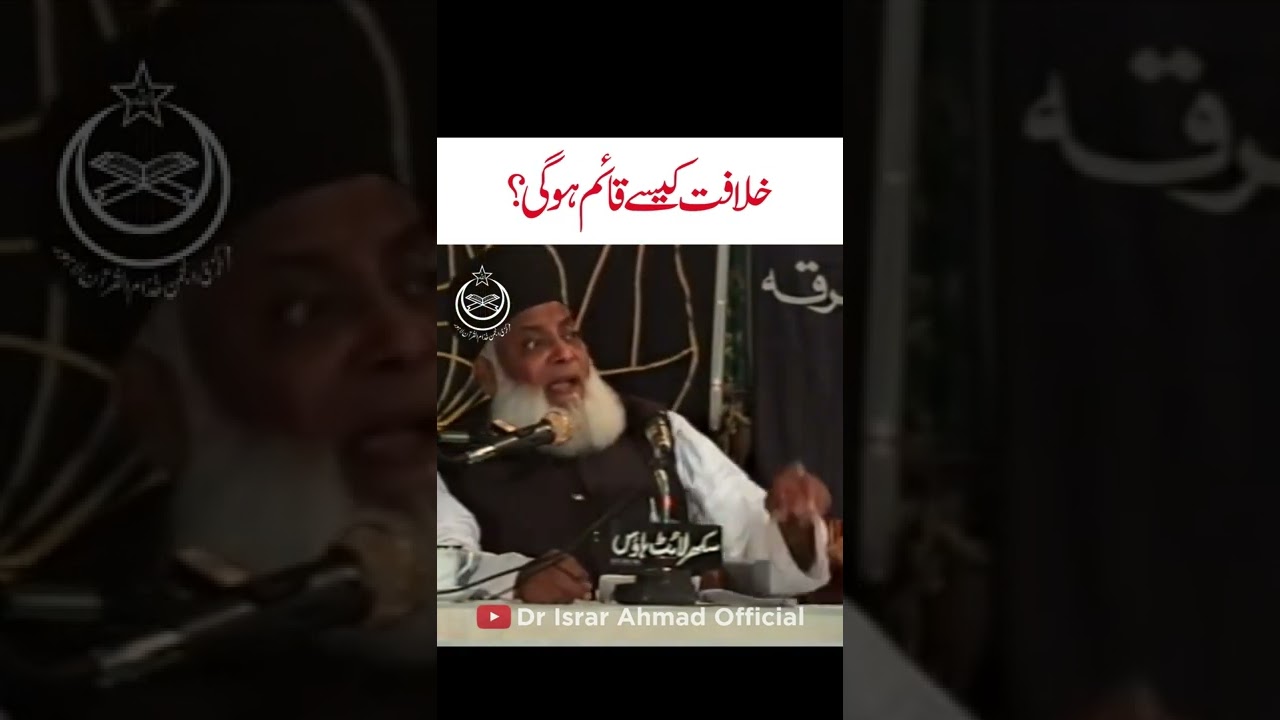
Dr. Israr Ahmad discusses the future establishment of a global caliphate rooted in the prophetic tradition. He references prophecies indicating a time when the message of Islam will permeate every corner of the earth, reaching all of humanity. He describes a vision where no home or dwelling will remain untouched by the teachings of Islam, and that his community will govern the entirety of the earth, having witnessed its eastern and western reaches in a divine revelation.
77

This lecture emphasizes the importance of inviting people to the path of God with wisdom, good counsel, and respectful debate. It highlights that delivering the message of God is a duty, best fulfilled through gentle persuasion and eloquent communication. The speaker stresses that even in disagreement, one must maintain a dignified and courteous approach.
42

The lecture discusses the true meaning of *hijrat* (migration) as defined by the Prophet Muhammad (peace be upon him). It emphasizes that genuine migration isn't merely physical relocation, but abandoning everything displeasing to God. This includes renouncing interest-based transactions, making firm decisions to adhere to righteous conduct, prioritizing modesty and honor within the home, and consistently striving for moral and spiritual purification. The speaker underscores the importance of immediate action and resolute commitment to these principles as the essence of true migration.
87

The lecture discusses the Prophet Muhammad's guidance regarding the timing of Suhoor (pre-dawn meal) and Iftar (breaking of the fast). He discouraged excessive caution and rigidity in observing the timings, emphasizing ease and flexibility. The Prophet allowed individuals to finish their meals even after the call to prayer for Fajr, promoting a balanced approach to religious observance. The principle of prioritizing ease over difficulty, as stated in the verse concerning permissible limits for fasting until the white thread distinguishes itself from the black, is highlighted. This approach promotes a spiritual practice that is accessible and sustainable.
38
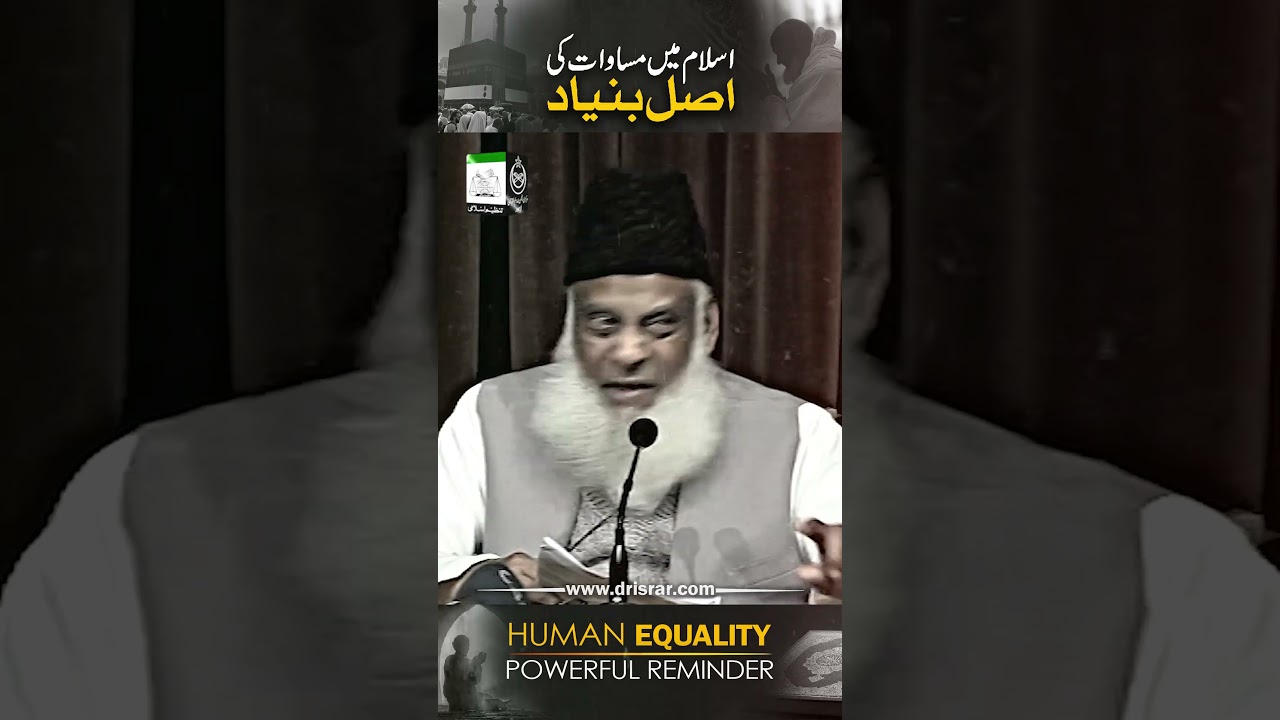
Humans are born equal, possessing inherent dignity regardless of race, ethnicity, gender, or social status. This equality is a fundamental principle, as highlighted by Allama Iqbal. Differences in status arise from acquired qualities like knowledge and piety, not from birth. True honor stems from devotion to God and righteous conduct, not from inherited characteristics. The Quran emphasizes that superiority is based on *taqwa* (piety), not on arbitrary distinctions like race or lineage. This concept rejects all forms of discrimination and promotes a society based on justice and merit.
59
