Şort
The word ‘Sawm’ (fasting) fundamentally means to abstain or stop. This encompasses ceasing from eating and drinking, halting speech, or even pausing physical activity. The Quranic verse from Surah Maryam references a vow of abstinence. Historically, ‘Sawm’ in pre-Islamic Arabian society denoted refraining from desires, including sexual activity. It also described a horse standing perfectly still. The term was adopted by the Quran to define the act of fasting as a form of worship, signifying a complete cessation of bodily needs and worldly distractions. It’s a comprehensive cessation, not merely from food and drink, but from all impulsive desires and worldly engagements.

75
This lecture discusses the Islamic principle of prioritizing ease and avoiding unnecessary hardship, particularly concerning fasting during illness or travel. It highlights an incident during a military expedition where some individuals, despite being weakened, insisted on fasting, causing them to collapse. The Prophet Muhammad (peace be upon him) observed this and discouraged fasting in such circumstances, emphasizing that Islam aims to facilitate, not burden, its followers. The core message is that self-inflicted hardship is not a virtue but a misunderstanding of religious principles, and that the purpose of religious teachings is to promote ease and well-being.
55
This lecture addresses the core responsibility of Muslims: to convey the message of the Quran to all of humanity, not just the Muslim community. It emphasizes that failure to act upon and implement the Quranic principles has led to the current state of weakness, humiliation, and subjugation experienced by the Muslim world. The speaker highlights a pattern of powerful nations exploiting Muslim lands without regard for international law, driven by self-interest and targeting Muslim countries specifically. The current plight of the Muslim community is presented as a direct consequence of neglecting this fundamental duty.
40
Sheikh Abdul Qadir Jilani emphasized that true power and provision come solely from Allah. Nothing possesses inherent efficacy; fire cannot burn, water cannot drown, poison cannot kill, or anything benefit without Allah’s will. Reliance should be placed entirely on Allah, not on worldly means or intermediaries. The lecture stresses complete trust in Allah for all needs and outcomes.
47
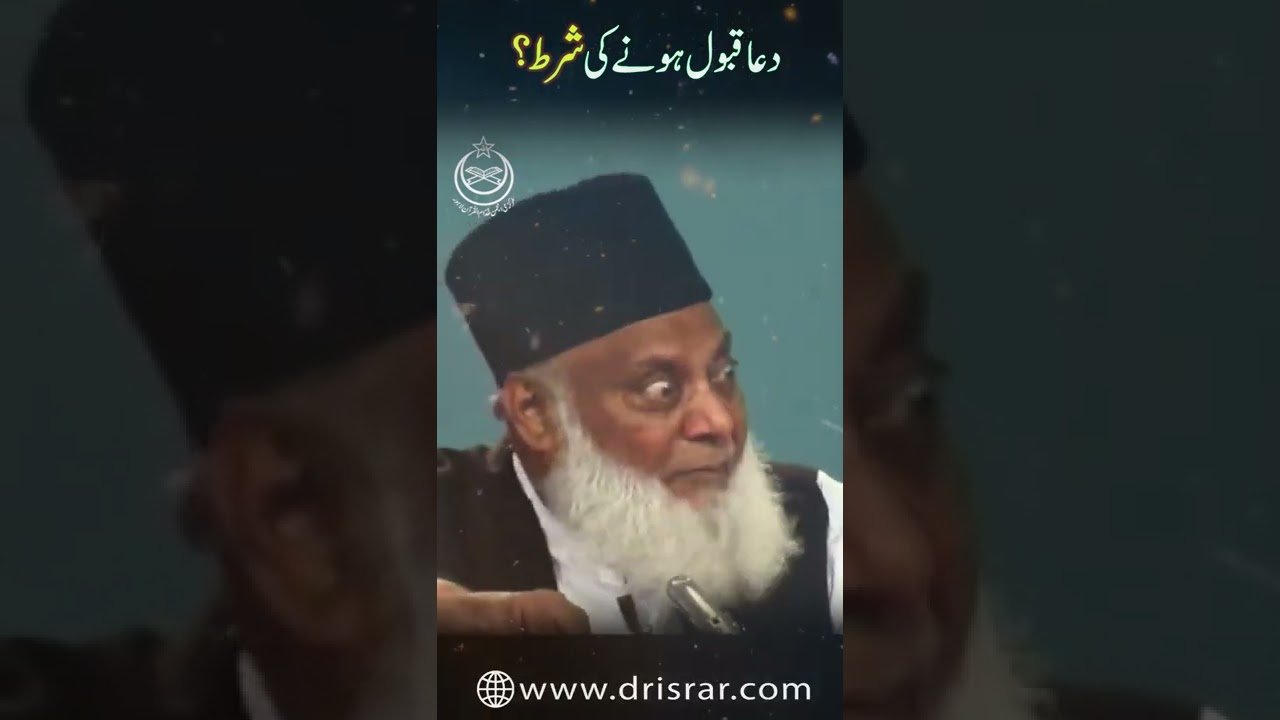
God states that direct communication is possible without intermediaries. Acceptance of His commands and adherence to His teachings are essential for answered prayers. He is ever-forgiving and accepts repentance. God responds to every call for help, but requires obedience, attentive listening, sincere belief, and practical implementation of His guidance. He is the most merciful and responds to those who turn to Him with sincerity and commitment.
67

This lecture emphasizes accountability for the faculties of sight, hearing, and intellect. Individuals will be questioned about how they utilized these gifts. It highlights the importance of observing the universe, acquiring knowledge, and employing reason. Neglecting these capabilities will be subject to divine questioning. The message underscores the responsibility humans bear in utilizing their inherent cognitive and sensory abilities for understanding and reflection.
33
